In a present shaped by visual overproduction, photography has expanded beyond its traditional boundaries, transforming the ways we produce, circulate, and consume images. At Terremoto, we spoke with Lydia Melamed Johnson, Executive Director of AIPAD (the Association of International Photography Art Dealers) and Director of The Photography Show, on the occasion of its 45th edition. Through this conversation, we reflect on the criteria that today confer permanence and value upon photographic practices in the face of contemporary immediacy, while examining how artistic practices from Latin America are destabilizing the curatorial expectations of the Global North.
In a present shaped by visual overproduction, photography has expanded beyond its traditional boundaries, transforming the ways we produce, circulate, and consume images. At Terremoto, we spoke with Lydia Melamed Johnson, Executive Director of AIPAD (the Association of International Photography Art Dealers) and Director of The Photography Show, on the occasion of its 45th edition. Through this conversation, we reflect on the criteria that today confer permanence and value upon photographic practices in the face of contemporary immediacy, while examining how artistic practices from Latin America are destabilizing the curatorial expectations of the Global North.
Terremoto: The Photography Show seems to be expanding beyond a traditional understanding of photography—embracing installation, archival practices, moving image, sculptural approaches, and more experimental relationships to the image. How does the fair itself understand “the photographic” today, and what kinds of practices are helping to expand or destabilize that definition?
Lydia Melamed Johnson: AIPAD has always seen photography as something living and changing rather than something static. Today, photography is less about a particular technique or material and more about how we think about images, time, and how the audience experiences them. Throughout the fair, artists are expanding what photography can be and how we can think about it. They are using installation, moving images, sculpture, archives, and digital tools in ways that generate tension beyond the conventional idea of “the photographic.” These works challenge the idea that photography is a single, stable thing. Instead, they show it as something flexible and shaped by context, presentation, and interpretation.
T: We’re seeing many artists move away from photography as documentation and toward fiction, speculation, and constructed narratives. Why do you think photography has become such a fertile space for imagining realities instead of recording them?
LM: Fiction has always been present in photography; so, this is not something new. While there is an evolution in the tools being used, photography has always been a technical medium, one that has the capacity to illuminate but also to obscure. It has always been animated, to some extent, by a central tension between the presumption of its objectivity and the reality that images are constructed and never neutral. In a time when images are ubiquitous and trust in visual evidence is increasingly fragile, we have noticed artists’ interest in interrogating rather than affirming the documentary nature of the photographic medium. Fiction becomes a powerful tool, not as an escape from reality, but as a way of exposing how realities are constructed, mediated, and sometimes manipulated. It allows for addressing stories that are incomplete or repressed, and imagining futures that are not yet visible.
T: A lot of contemporary image-making now exists in conditions of excess — endless production, scrolling, repetition, algorithmic visibility. In that landscape, what gives an image presence or permanence today?
LM: In a landscape defined by overproduction and constant circulation, presence is no longer guaranteed solely by visibility. In fact, often the opposite is true; images run the risk of becoming interchangeable or flattened by overexposure and the endless circulation driven by content algorithms.
What gives presence to an image today is often its capacity to resist that flow. This can happen through materiality, scale, unexpected modes of exhibition, and also through conceptual depth and intention. An image that asks something of the viewer, whether a reaction or a reflection, can create a lasting and permanent impression. Increasingly, we see artists creating conditions for encounters rather than simply producing images, and that shift is reconfiguring how we think about what is permanent.
T: Photography occupies a particular place within the art market because it has historically existed between reproducibility and uniqueness, document and artwork. As contemporary practices become more experimental and harder to categorize, how do you see collectors and fairs redefining what holds value within photographic art today?
LM: The question of value in photography has always been multifaceted, precisely because of the complexities of editioning and use. What feels different now is that collectors are more attentive to the ideas and structures underpinning a work, rather than focusing solely on its format or rarity. As practices become more interdisciplinary, value is redefined by context and artistic intention. Collectors are becoming more involved in how a work functions, whether as part of an installation, archive, or conceptual framework, rather than questioning whether it fits into a traditional definition of a photograph.
Most major collectors begin with photography given its accessibility through price. Fairs like The Photography Show play an important role in this shift in perception by presenting works that foreground these expanded practices and by fostering dialogue between artists, galleries, and collectors.
T: Latin American photography has often been framed through documentary or political readings by international institutions. Which contemporary artists or curatorial approaches do you think are complicating or escaping those expectations?
LM: For a long time, there has been a tendency to enunciate Latin American photography from a documentary and political standpoint, often flattening a richly diverse field into a narrow set of expectations. What feels especially vital right now is the growing visibility of artists and curatorial approaches that actively resist those boundaries.
Artists like Cecilia Paredes, Fabiola Menchelli, and Lou Peralta, for example, approach photography through performance, abstraction, and portraiture in ways that expand the field. Paredes working through embodied and camouflaged self-portraiture that merges the body and the environment. Menchelli through process-based abstractions that highlight light, color, and perception. Peralta through portraiture that constructs intimate and nuanced representations of identity and presence. Their practices strain any singular or reductionist reading of photographic production from the Americas.
At the same time, curators are rethinking how these works are contextualized, moving away from geographical or thematic essentialism toward nuanced, artist-centric narratives. This shift is not about abandoning political or historical engagement, but about expanding the range of how those concerns can be articulated through form, process, and conceptual investigation, as well as subject matter.
T: What distinguishes Association of International Photography Art Dealers and The Photography Show from other contemporary art fairs today, particularly in the way it approaches photography not only as a medium, but as an evolving field of artistic experimentation and critical discourse?
LM: What distinguishes AIPAD and The Photography Show is our commitment to photography not just as a market category, but as a critical and cultural force. Although the fair is built on decades of experience within the photographic community, it is equally focused on the future: on how the medium continues to evolve and intersect with other forms of artistic practice. We bring together galleries that are committed to their artists and the discourse surrounding the work.
The Photography Show is not simply a place to view and acquire works; it is a space for exchange, questioning, and rethinking what photography can be.
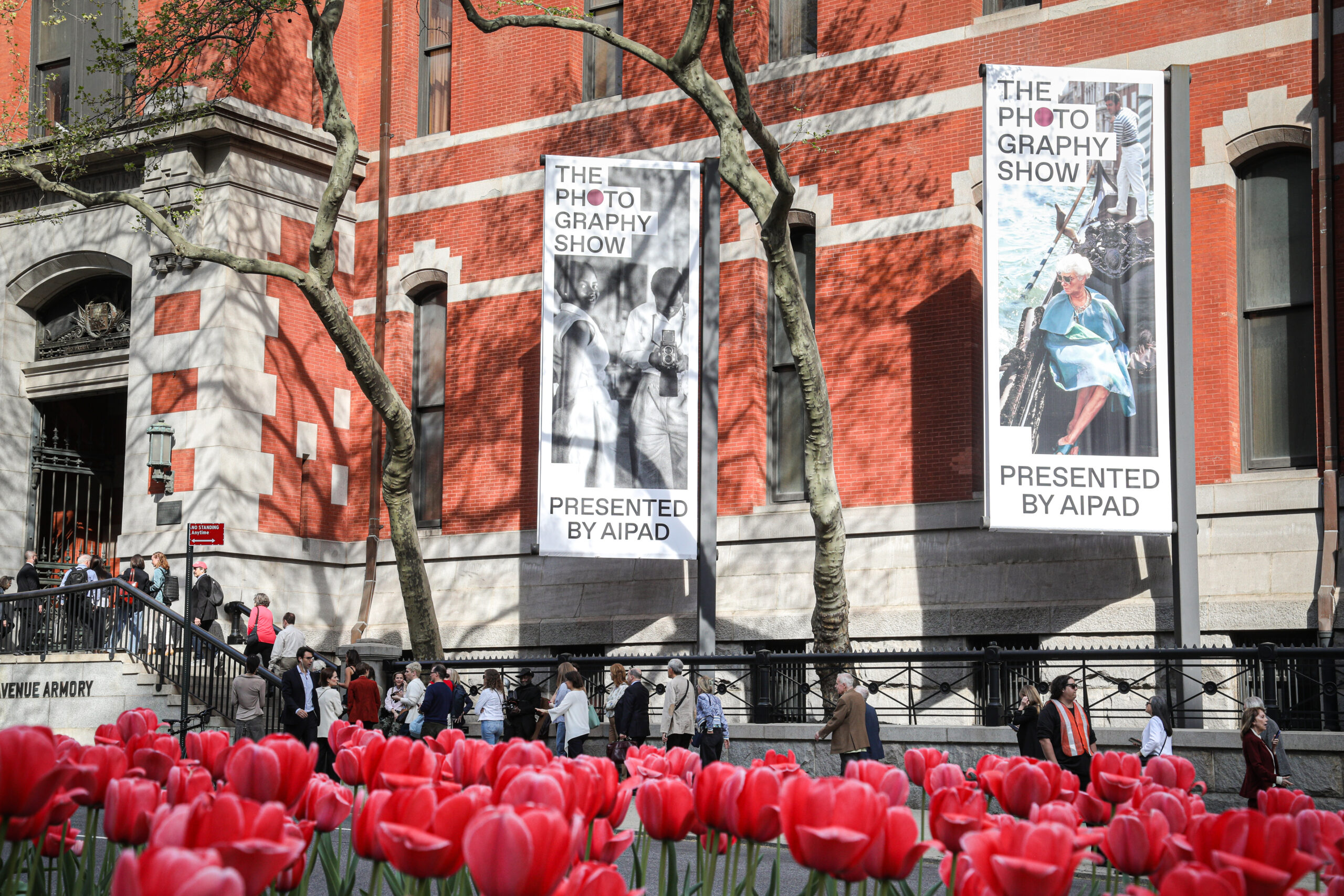
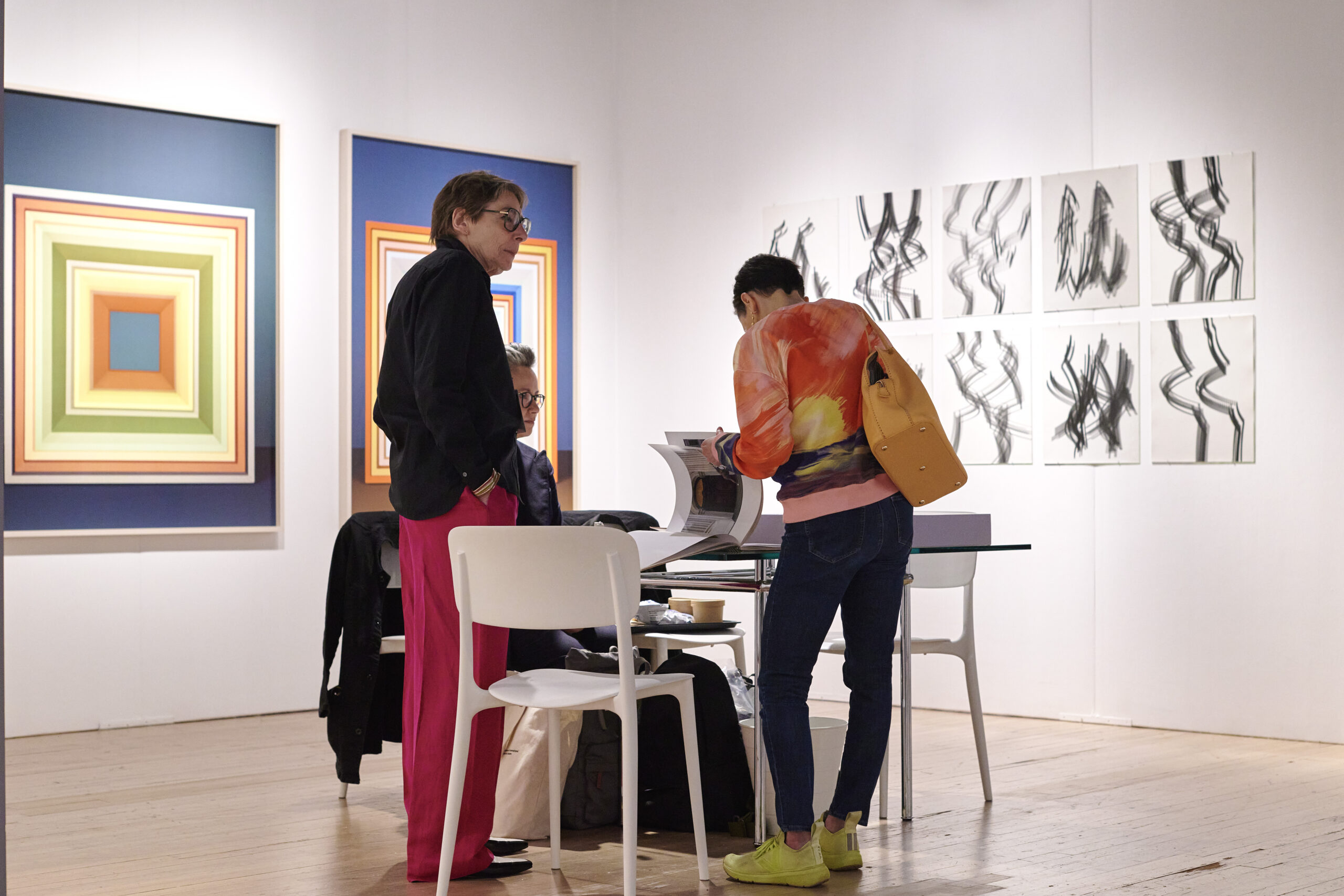
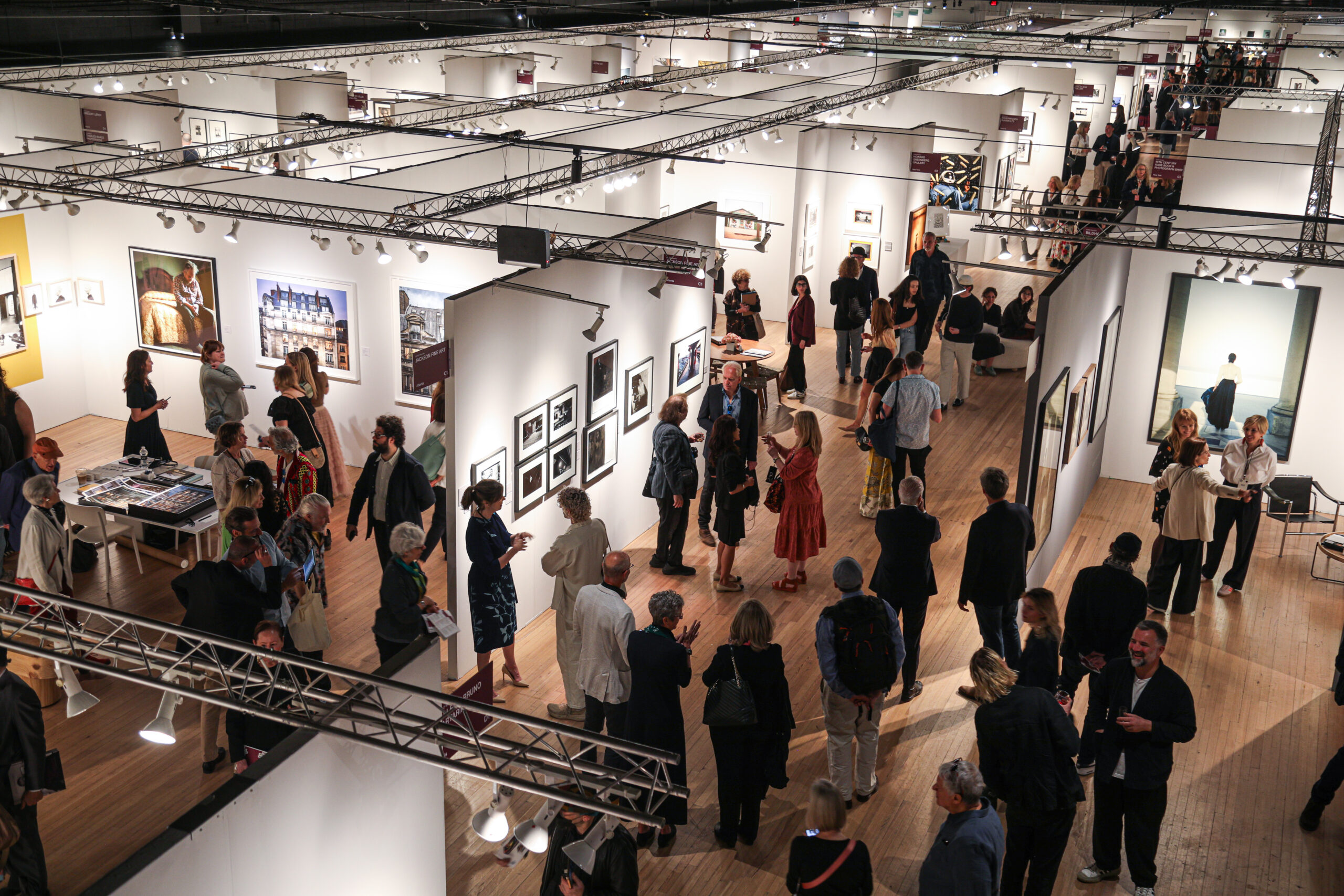
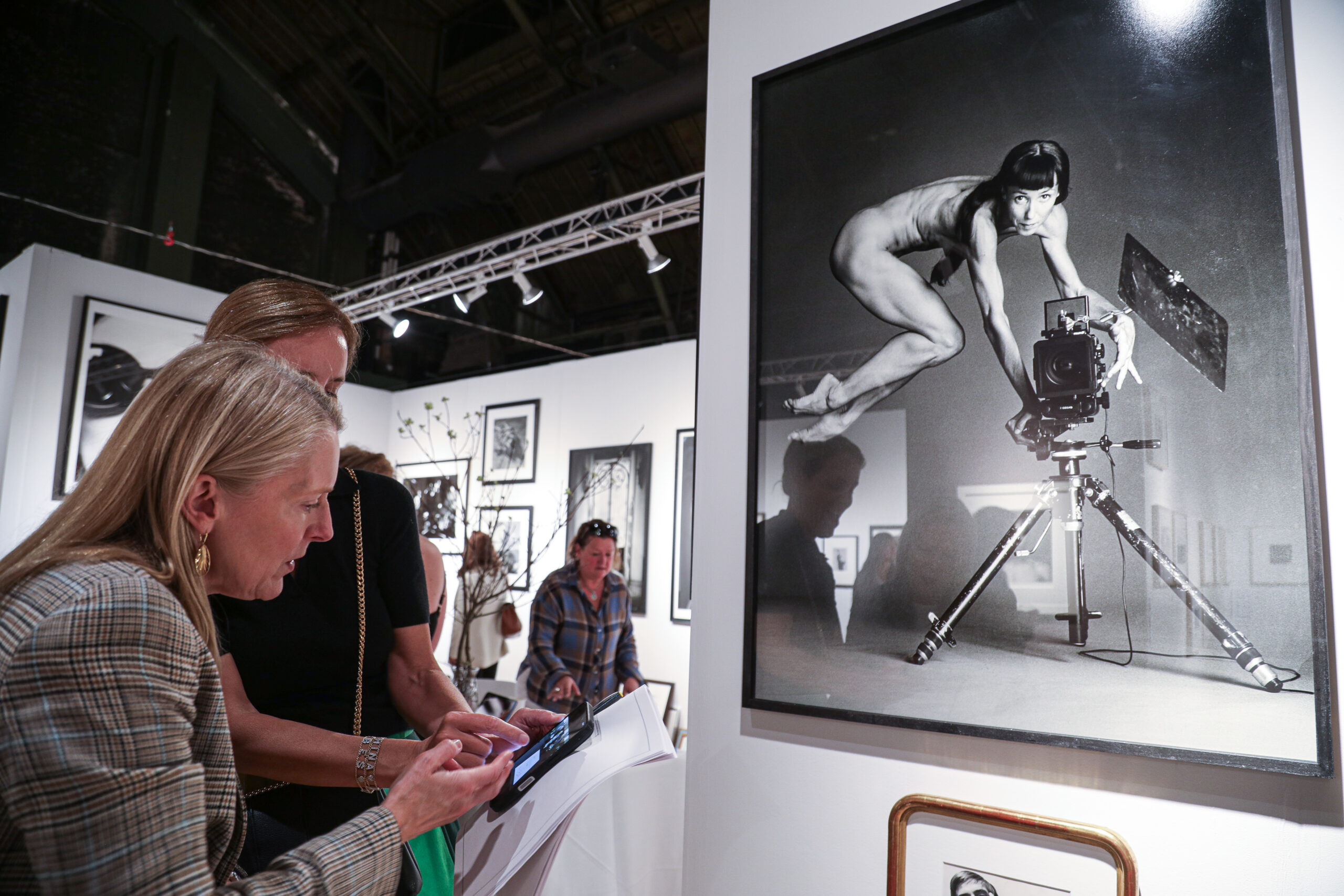
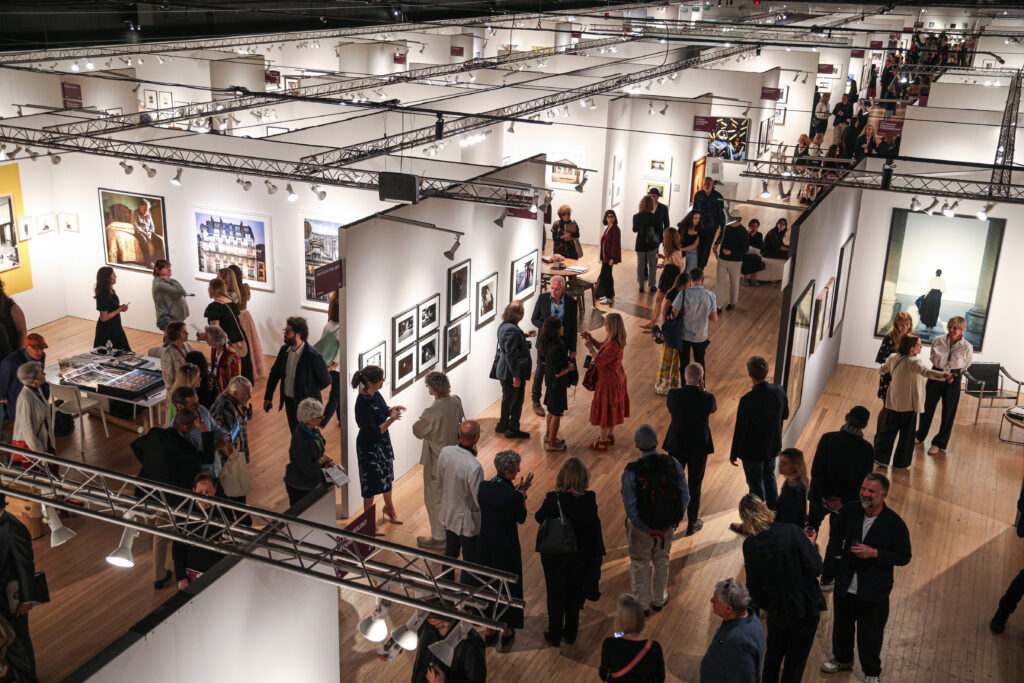
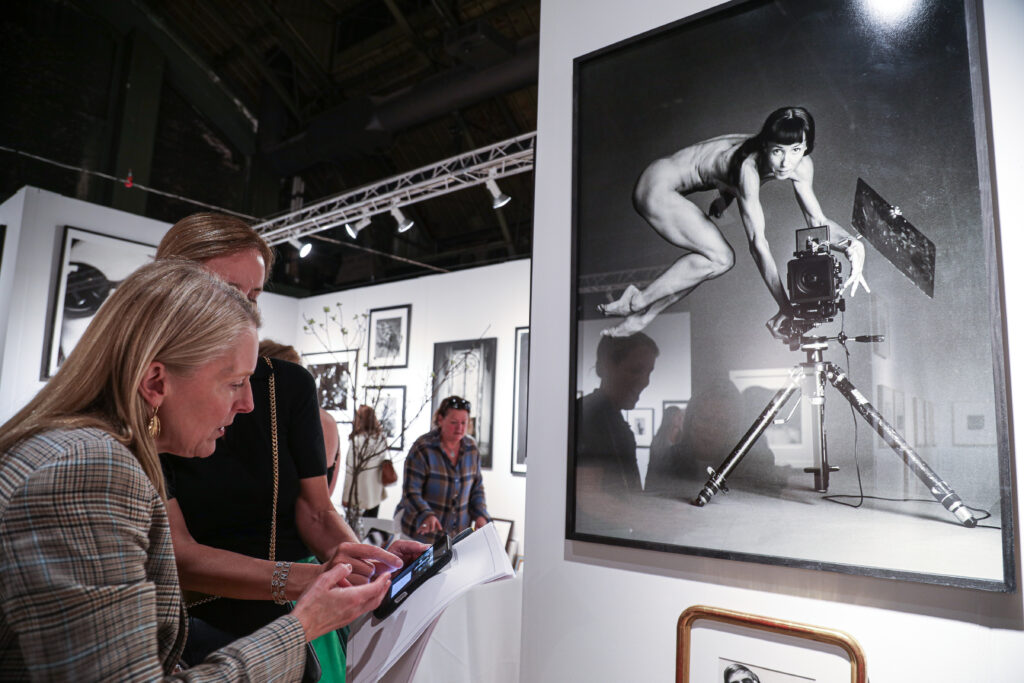
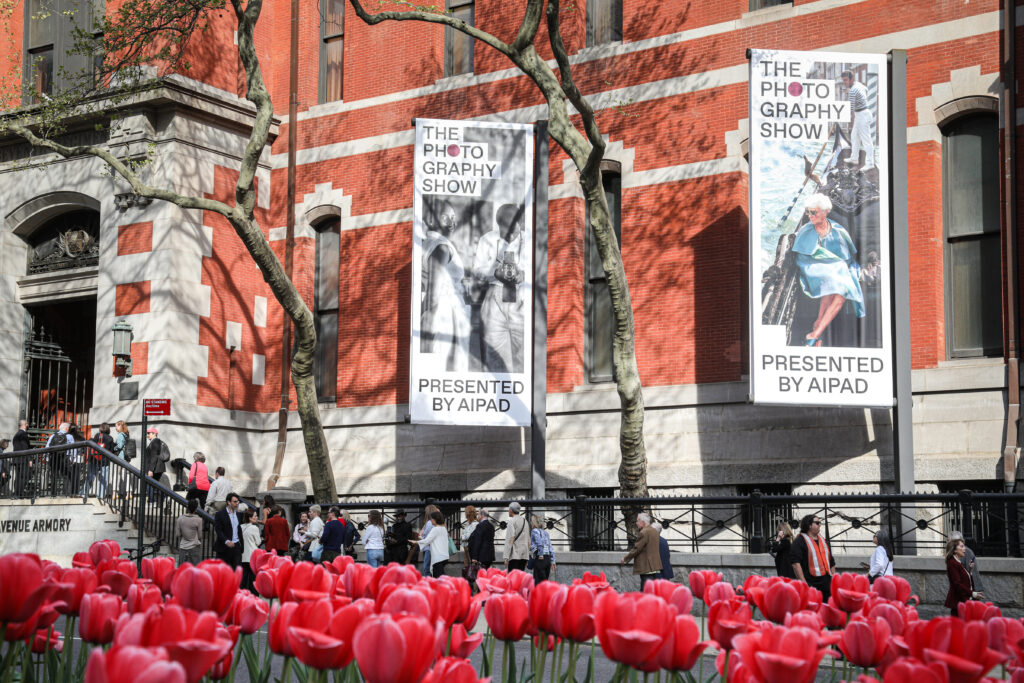
NY, NY : AIPAD preview day taken on April 23rd, 2025. Photo by Erica Price
In a present shaped by visual overproduction, photography has expanded beyond its traditional boundaries, transforming the ways we produce, circulate, and consume images. At Terremoto, we spoke with Lydia Melamed Johnson, Executive Director of AIPAD (the Association of International Photography Art Dealers) and Director of The Photography Show, on the occasion of its 45th edition. Through this conversation, we reflect on the criteria that today confer permanence and value upon photographic practices in the face of contemporary immediacy, while examining how artistic practices from Latin America are destabilizing the curatorial expectations of the Global North.
Terremoto: The Photography Show seems to be expanding beyond a traditional understanding of photography—embracing installation, archival practices, moving image, sculptural approaches, and more experimental relationships to the image. How does the fair itself understand “the photographic” today, and what kinds of practices are helping to expand or destabilize that definition?
Lydia Melamed Johnson: AIPAD has always seen photography as something living and changing rather than something static. Today, photography is less about a particular technique or material and more about how we think about images, time, and how the audience experiences them. Throughout the fair, artists are expanding what photography can be and how we can think about it. They are using installation, moving images, sculpture, archives, and digital tools in ways that generate tension beyond the conventional idea of “the photographic.” These works challenge the idea that photography is a single, stable thing. Instead, they show it as something flexible and shaped by context, presentation, and interpretation.
T: We’re seeing many artists move away from photography as documentation and toward fiction, speculation, and constructed narratives. Why do you think photography has become such a fertile space for imagining realities instead of recording them?
LM: Fiction has always been present in photography; so, this is not something new. While there is an evolution in the tools being used, photography has always been a technical medium, one that has the capacity to illuminate but also to obscure. It has always been animated, to some extent, by a central tension between the presumption of its objectivity and the reality that images are constructed and never neutral. In a time when images are ubiquitous and trust in visual evidence is increasingly fragile, we have noticed artists’ interest in interrogating rather than affirming the documentary nature of the photographic medium. Fiction becomes a powerful tool, not as an escape from reality, but as a way of exposing how realities are constructed, mediated, and sometimes manipulated. It allows for addressing stories that are incomplete or repressed, and imagining futures that are not yet visible.
T: A lot of contemporary image-making now exists in conditions of excess — endless production, scrolling, repetition, algorithmic visibility. In that landscape, what gives an image presence or permanence today?
LM: In a landscape defined by overproduction and constant circulation, presence is no longer guaranteed solely by visibility. In fact, often the opposite is true; images run the risk of becoming interchangeable or flattened by overexposure and the endless circulation driven by content algorithms.
What gives presence to an image today is often its capacity to resist that flow. This can happen through materiality, scale, unexpected modes of exhibition, and also through conceptual depth and intention. An image that asks something of the viewer, whether a reaction or a reflection, can create a lasting and permanent impression. Increasingly, we see artists creating conditions for encounters rather than simply producing images, and that shift is reconfiguring how we think about what is permanent.
NY, NY : AIPAD preview day taken on April 23rd, 2025. Photo by Erica Price
T: Photography occupies a particular place within the art market because it has historically existed between reproducibility and uniqueness, document and artwork. As contemporary practices become more experimental and harder to categorize, how do you see collectors and fairs redefining what holds value within photographic art today?
LM: The question of value in photography has always been multifaceted, precisely because of the complexities of editioning and use. What feels different now is that collectors are more attentive to the ideas and structures underpinning a work, rather than focusing solely on its format or rarity. As practices become more interdisciplinary, value is redefined by context and artistic intention. Collectors are becoming more involved in how a work functions, whether as part of an installation, archive, or conceptual framework, rather than questioning whether it fits into a traditional definition of a photograph.
Most major collectors begin with photography given its accessibility through price. Fairs like The Photography Show play an important role in this shift in perception by presenting works that foreground these expanded practices and by fostering dialogue between artists, galleries, and collectors.
T: Latin American photography has often been framed through documentary or political readings by international institutions. Which contemporary artists or curatorial approaches do you think are complicating or escaping those expectations?
LM: For a long time, there has been a tendency to enunciate Latin American photography from a documentary and political standpoint, often flattening a richly diverse field into a narrow set of expectations. What feels especially vital right now is the growing visibility of artists and curatorial approaches that actively resist those boundaries.
Artists like Cecilia Paredes, Fabiola Menchelli, and Lou Peralta, for example, approach photography through performance, abstraction, and portraiture in ways that expand the field. Paredes working through embodied and camouflaged self-portraiture that merges the body and the environment. Menchelli through process-based abstractions that highlight light, color, and perception. Peralta through portraiture that constructs intimate and nuanced representations of identity and presence. Their practices strain any singular or reductionist reading of photographic production from the Americas.
At the same time, curators are rethinking how these works are contextualized, moving away from geographical or thematic essentialism toward nuanced, artist-centric narratives. This shift is not about abandoning political or historical engagement, but about expanding the range of how those concerns can be articulated through form, process, and conceptual investigation, as well as subject matter.
T: What distinguishes Association of International Photography Art Dealers and The Photography Show from other contemporary art fairs today, particularly in the way it approaches photography not only as a medium, but as an evolving field of artistic experimentation and critical discourse?
LM: What distinguishes AIPAD and The Photography Show is our commitment to photography not just as a market category, but as a critical and cultural force. Although the fair is built on decades of experience within the photographic community, it is equally focused on the future: on how the medium continues to evolve and intersect with other forms of artistic practice. We bring together galleries that are committed to their artists and the discourse surrounding the work.
The Photography Show is not simply a place to view and acquire works; it is a space for exchange, questioning, and rethinking what photography can be.
NY, NY : AIPAD preview day taken on April 23rd, 2025. Photo by Erica Price