What happens when what we call home becomes a space of violence and dispossession? In her review of A Home to Inhabit at Museo Amparo, Verónica Guerrero explores works from the FEMSA Collection that question the colonial and patriarchal structures shaping our lives: from the body and domestic labor to borders, identities, and the exploitation of nature. The exhibition brings the promise of home as a refuge into tension with the political conditions that render it uninhabitable.
Walking through A home to inhabit, one might expect an intimate, comforting encounter with works from the FEMSA Collection. Instead, the exhibition offers a stark portrait of an uninhabitable world. Its five thematic sections trace a journey from the body—the first territory in which we take shape and which we inhabit—to the home and the domestic sphere, before expanding into shared and contested territories marked by dispossession. The final two sections explore relationships between human and nonhuman species, and identities as forms of social organization.
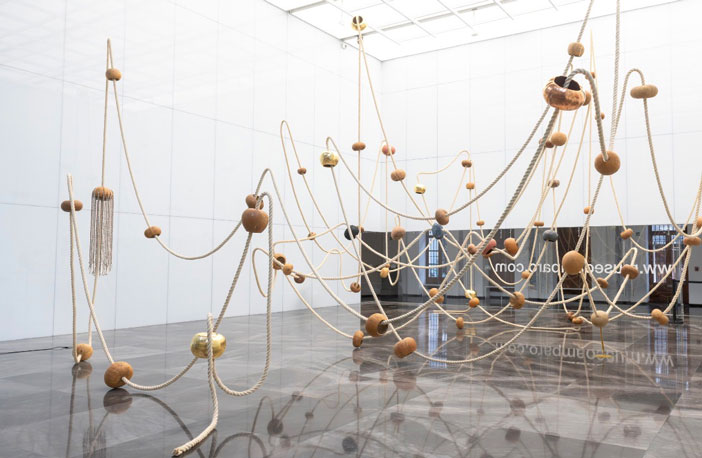
A monumental work by Ana Hernández welcomes visitors at the entrance to Museo Amparo. Suspended from ropes, sixty-eight gourds evoke the sixty-eight nations that now make up the modern Mexican state. The work addresses the loss of access to Indigenous languages and the linguistic epistemicides that accompany the dissolution of these nations into a single state.
Salvador Xharicata’s work addresses dispossession and linguistic identity. The piece incorporates a recording of his grandmother reciting in Purépecha, alongside a series of tables and chairs that, when fitted together like a puzzle, reveal a letter written by the Count of Raya requesting “another batch of Indians” for forced labor in the mines of Michoacán. Centuries later, such demands are no longer written in letters: they are formalized in concessions that drain water from the mountains, placing the land once again at the service of those who extract its resources.
The exhibition presents identities as places we inhabit. Through the works, it explores how identities operate as systems of social organization and as colonial and patriarchal structures that regulate bodies, determining who has access to privilege and who is stripped of it. In the final gallery, eighteenth-century casta paintings appear alongside paintings by artists such as Cuba’s Wifredo Lam and Aimée Rodríguez from Guerrero, Mexico, revealing how bodies continue to be racialized through systems of representation inherited from colonialism.
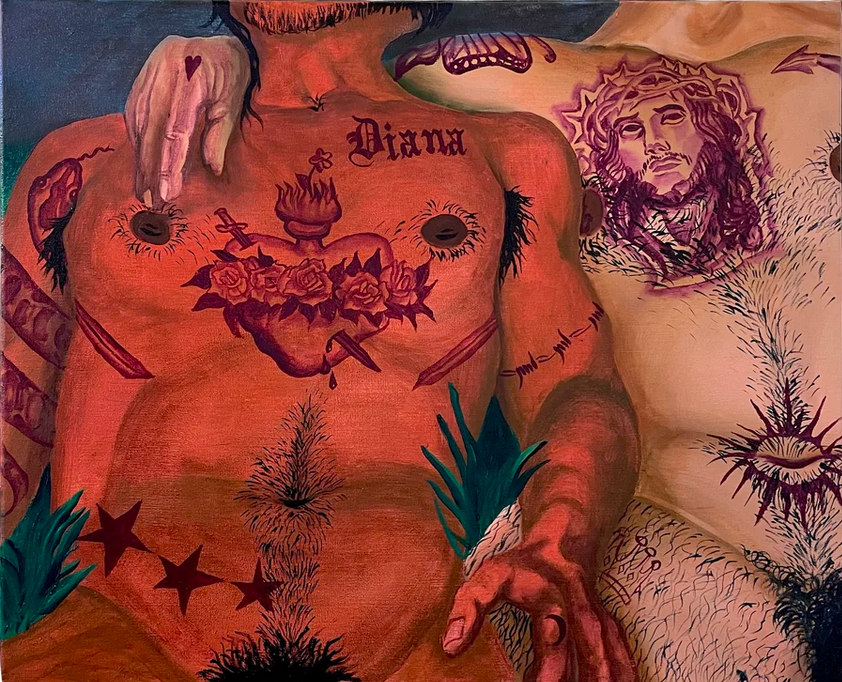
Works by women predominate in the galleries devoted to the body, including those by Mónica Castillo, Liliana Porter, Magalí Lara, Galia Eibenschutz, and Zazil Sánchez. There are also works by men depicting female bodies, such as Gabriel Figueroa’s Enamorada, a photographic series that dwells on the female face and the construction of the gaze, as well as an oil painting by Armando Morales in which female figures appear as silhouettes resembling paper cutouts. Is concern with the body exclusively female? Or are the curators inviting us to consider how violence is inflicted more brutally on feminized bodies?
The curatorial text in this section invites us to think of the body as our first home, the first territory in which we take shape. But what happens at a time when gestation can be outsourced through surrogacy? As with other forms of labor, this service is outsourced to those living in the most precarious and vulnerable conditions. And if the body is a home, what are we talking about when we speak of aesthetic violence, rape, or femicide?
Further on, in Mil novecientos cincuenta y cuatro, Mauricio Gattás reconstructs a 1950s kitchen from Monterrey within the museum’s galleries. It is the aspirational kitchen of a middle class embracing household appliances as one of the era’s defining symbols of modernity. It could easily have come straight out of a Corn Flakes advertisement from that decade. The space evokes the cliché of a middle-class, heteronormative nuclear family in which the man provides and the woman cares.
But if home also means the space inside our houses, what happens when we speak of domestic violence, the gendered division of labor, economic independence, or violence inflicted through loved ones? And what home can we speak of today, when the housing crisis in our cities and real estate pressures driven by tourist rentals gentrify neighborhoods and displace their residents? Torolab’s work addresses these displacements and spatial hierarchies. In Mapa: 16 x 16 capas de decisión, the collective creates a topography in which municipalities with lower purchasing power sink below the others, mapping the spatial divisions between social classes across territories.
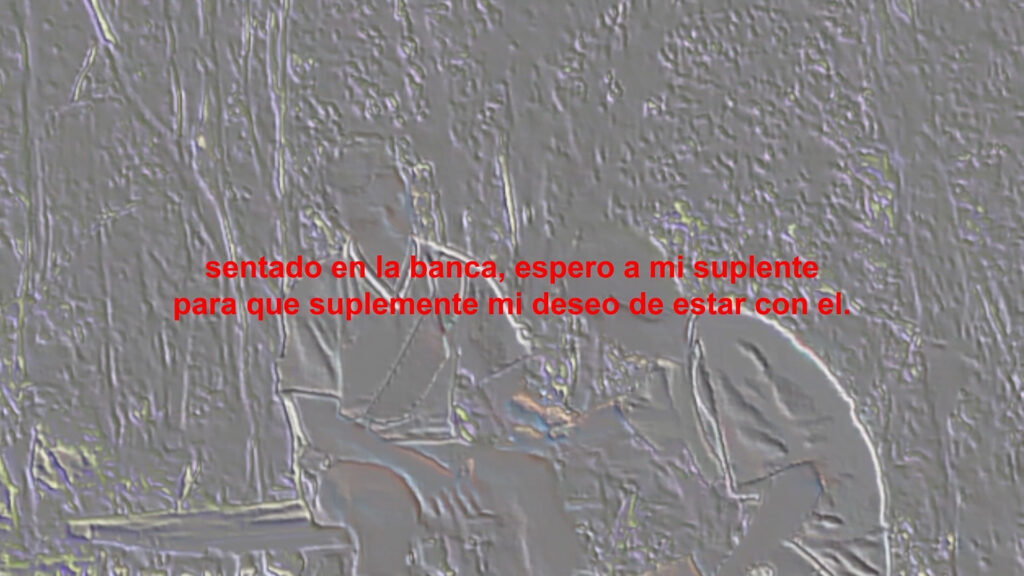
Alan Sierra’s work also appears in this section, addressing displacement and migration. In Un hilo colocado con cuidado sobre un mapa por dos manos que vienen desde arriba o La frontera [A Thread Carefully Placed on a Map by Two Hands Reaching Down from Above, or The Border], Sierra questions who draws the boundaries between territories and who establishes the divide between the First and Third Worlds. Miguel Fernández de Castro, in turn, directs our attention to life along these dividing lines and the necropolitics that govern border territories.
Finally, the exhibition’s largest section is devoted to nature. Initially presented as landscape, it opens with Dr. Atl’s El maizal [The Cornfield], a foundational work in the FEMSA Collection that prompts reflection on the place of landscape in the history of painting. To call nature a landscape is to create distance, imposing a gaze on what was once a shared environment. These works enter into dialogue with a series of paintings by Circe Irasema, who depicts natural elements on wooden supports in ways that challenge the conventions of perspective in Western painting—and, with them, the notion of landscape introduced at the beginning of this section. By changing how nature is represented, the artist questions how the West has turned it into an object of study, separating the observer from the observed. Her work thus critiques the severing of the relationship between human beings and nature as parts of a shared whole.
If nature is our home, how has it become a resource to be consumed, polluted, and plundered through extractive processes and their deep, inherent violence? And how might we rethink our relationship with it? As the curatorial text for this section states, “to inhabit the world is to recognize that we do not live apart from nature; we are nature.” Works such as those by Carlos Alfonso explore this idea, advocating for the recovery of oral histories from the Paispamba region of Colombia, stories connected to practices of cultivation and care.
Leda Catunda’s work imagines relationships between species through interdependence, affirming that “in place of the logic of domesticating our surroundings, another possible bond is proposed here: the mutual nurturing of life.” Rather than conceiving of nature as something to be dominated or domesticated, she proposes relationships based on care, dependence, and mutual nurturing. These bonds disappear whenever territories are plundered for the private benefit of corporations and states.
Moving from the intimate to the collective, the exhibition asks: what is it like to inhabit an uninhabitable world? A body made uninhabitable by violence; a domestic space that confines and renders feminized labor precarious; territories marked by dispossession, forced migration, and border violence; nature rendered uninhabitable by plunder and the violent erasure of relationships between species; and identities that order, classify, and administer the colonial policies inherited by modern nation-states.
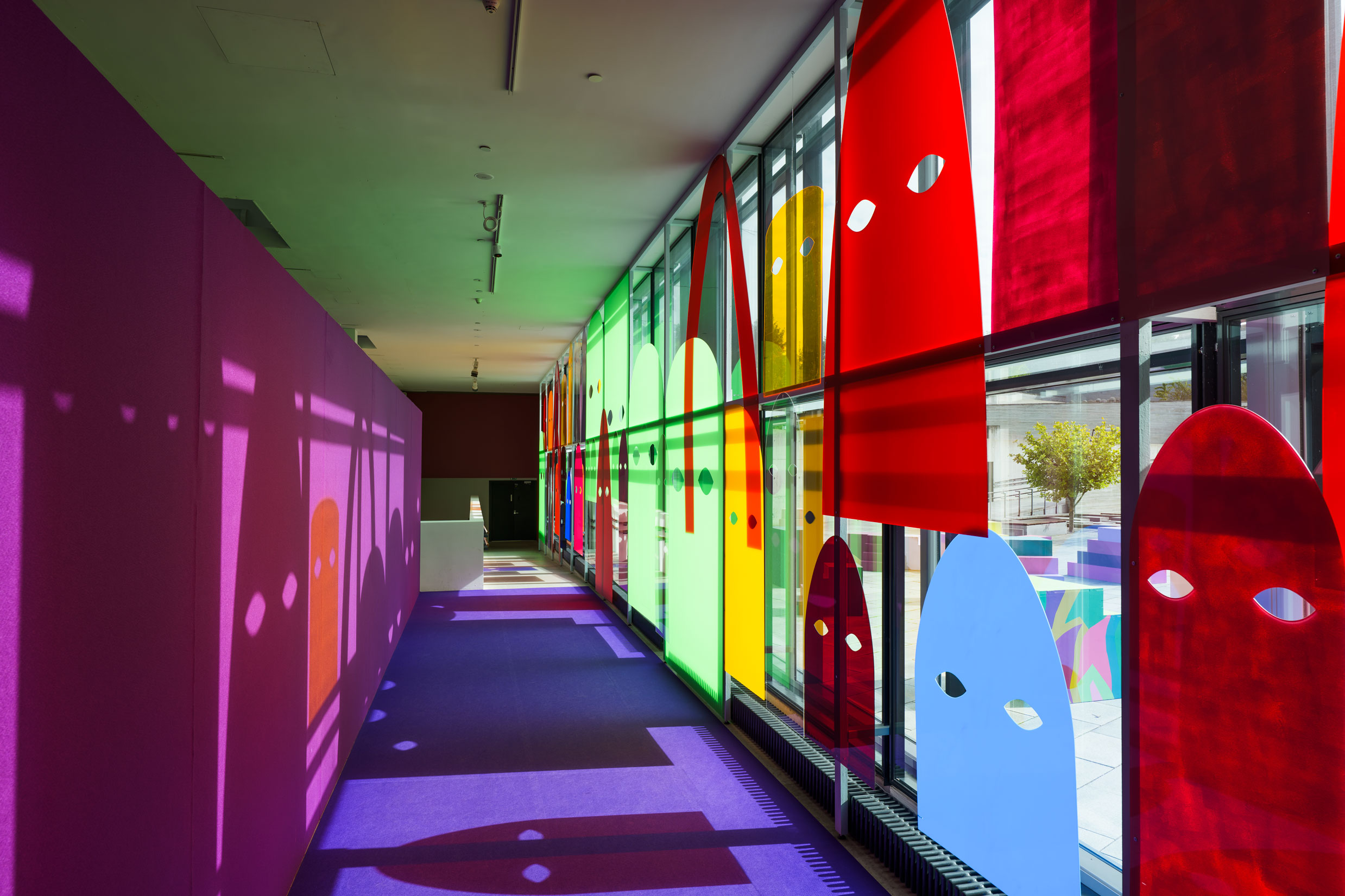
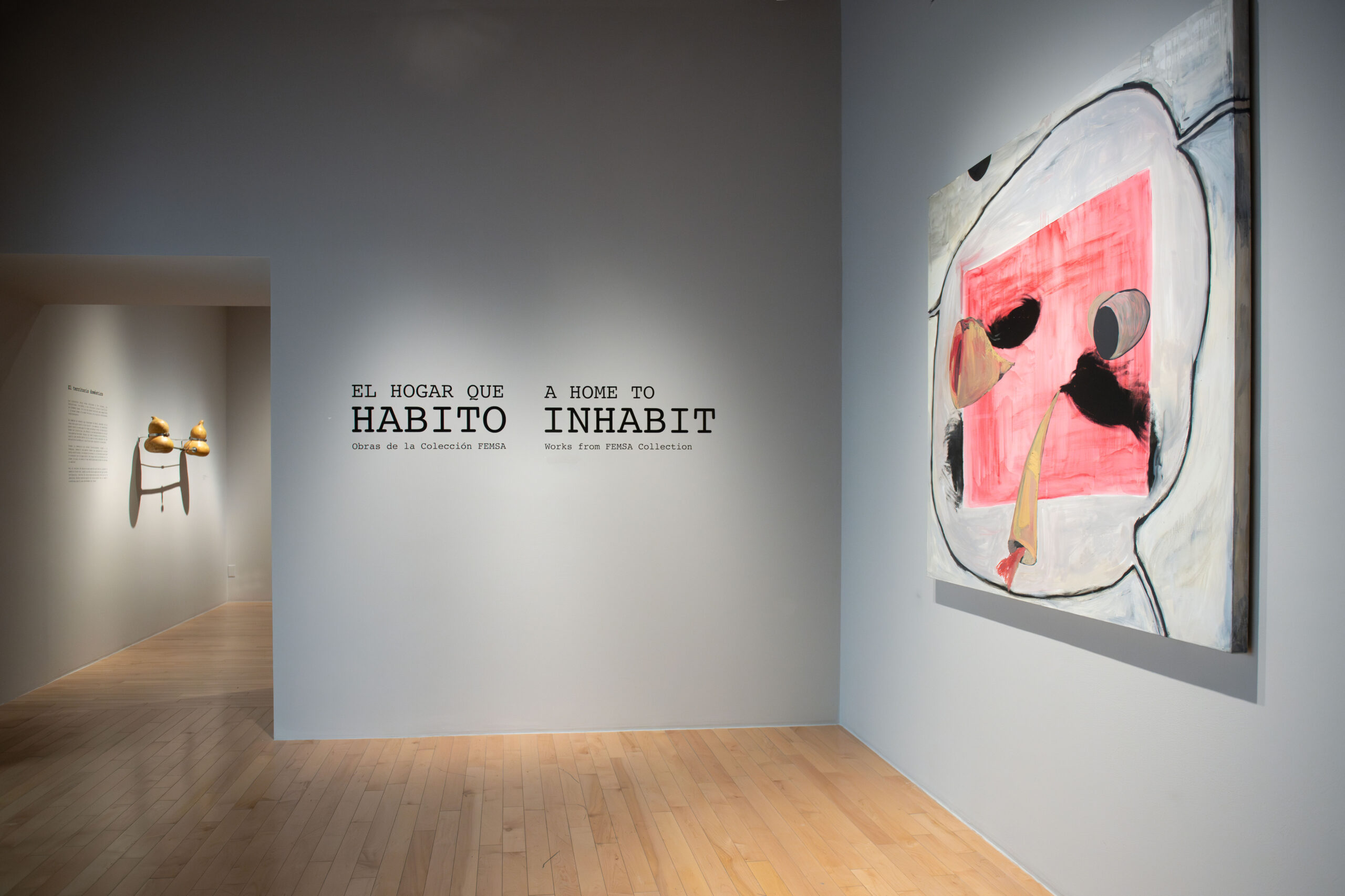
Entrance to the exhibition “El hogar que habito” [“A Home to Inhabit”]. Museo Amparo, Puebla, 2026.
Walking through A home to inhabit, one might expect an intimate, comforting encounter with works from the FEMSA Collection. Instead, the exhibition offers a stark portrait of an uninhabitable world. Its five thematic sections trace a journey from the body—the first territory in which we take shape and which we inhabit—to the home and the domestic sphere, before expanding into shared and contested territories marked by dispossession. The final two sections explore relationships between human and nonhuman species, and identities as forms of social organization.
A monumental work by Ana Hernández welcomes visitors at the entrance to Museo Amparo. Suspended from ropes, sixty-eight gourds evoke the sixty-eight nations that now make up the modern Mexican state. The work addresses the loss of access to Indigenous languages and the linguistic epistemicides that accompany the dissolution of these nations into a single state.
“Redasilú (Vendrá la memoria)”. Ana Hernández, Museo Amparo, Puebla, 2026.
Salvador Xharicata’s work addresses dispossession and linguistic identity. The piece incorporates a recording of his grandmother reciting in Purépecha, alongside a series of tables and chairs that, when fitted together like a puzzle, reveal a letter written by the Count of Raya requesting “another batch of Indians” for forced labor in the mines of Michoacán. Centuries later, such demands are no longer written in letters: they are formalized in concessions that drain water from the mountains, placing the land once again at the service of those who extract its resources.
The exhibition presents identities as places we inhabit. Through the works, it explores how identities operate as systems of social organization and as colonial and patriarchal structures that regulate bodies, determining who has access to privilege and who is stripped of it. In the final gallery, eighteenth-century casta paintings appear alongside paintings by artists such as Cuba’s Wifredo Lam and Aimée Rodríguez from Guerrero, Mexico, revealing how bodies continue to be racialized through systems of representation inherited from colonialism.
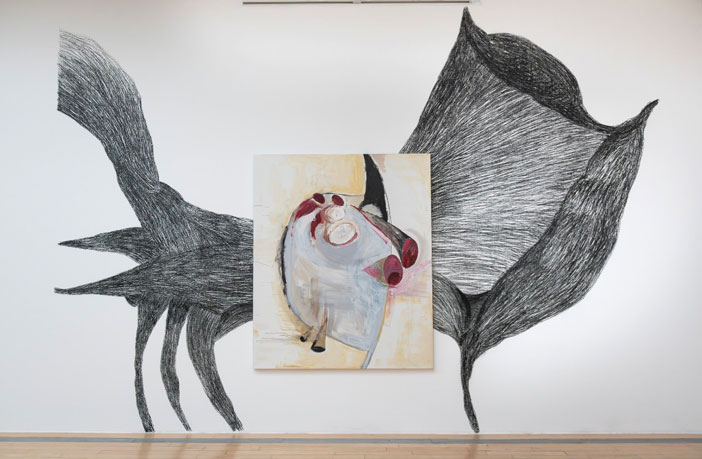
Works by women predominate in the galleries devoted to the body, including those by Mónica Castillo, Liliana Porter, Magalí Lara, Galia Eibenschutz, and Zazil Sánchez. There are also works by men depicting female bodies, such as Gabriel Figueroa’s Enamorada, a photographic series that dwells on the female face and the construction of the gaze, as well as an oil painting by Armando Morales in which female figures appear as silhouettes resembling paper cutouts. Is concern with the body exclusively female? Or are the curators inviting us to consider how violence is inflicted more brutally on feminized bodies?
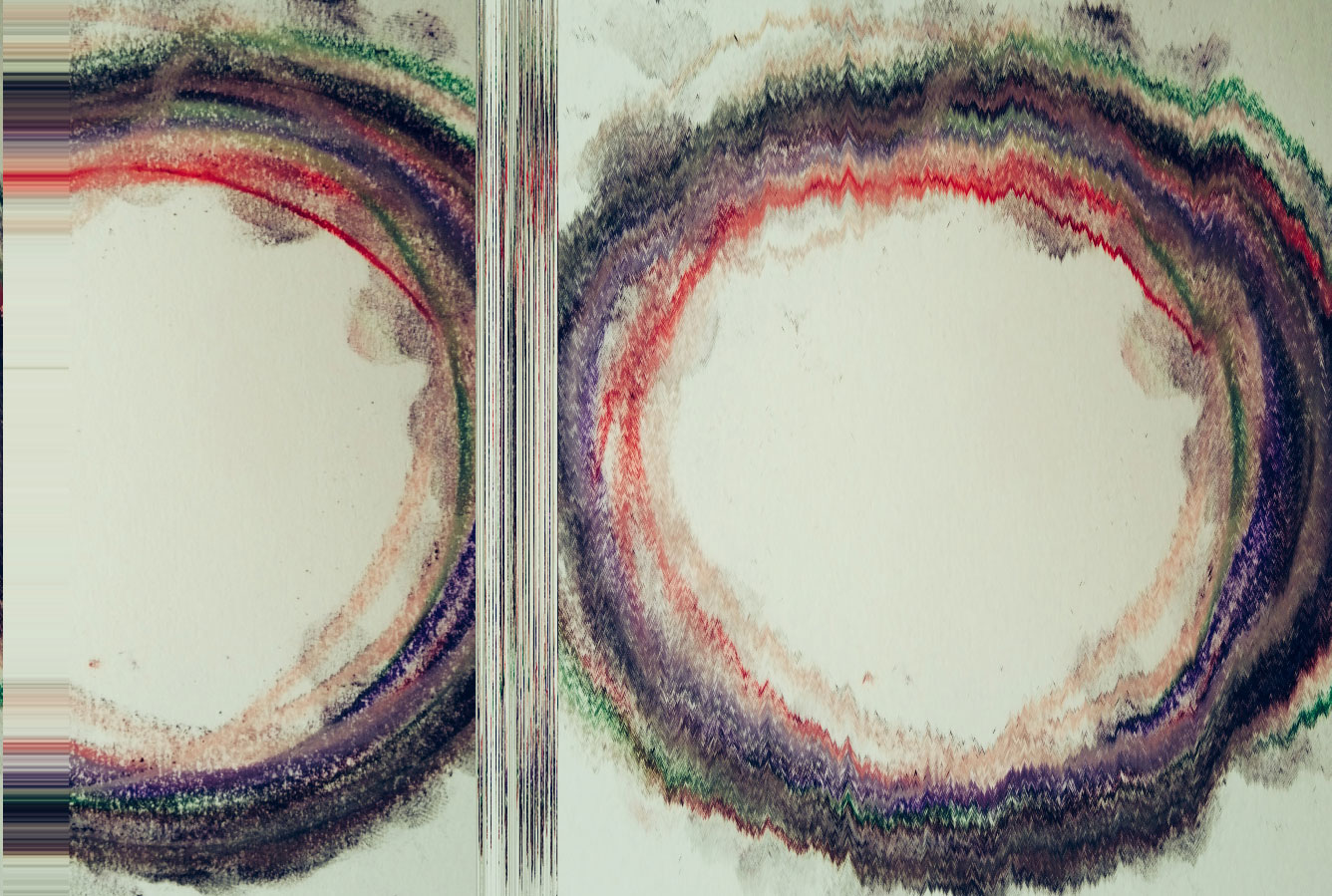
“Coraza (2)”, Magali Lara. Museo Amparo, Puebla, 2026.
The curatorial text in this section invites us to think of the body as our first home, the first territory in which we take shape. But what happens at a time when gestation can be outsourced through surrogacy? As with other forms of labor, this service is outsourced to those living in the most precarious and vulnerable conditions. And if the body is a home, what are we talking about when we speak of aesthetic violence, rape, or femicide?
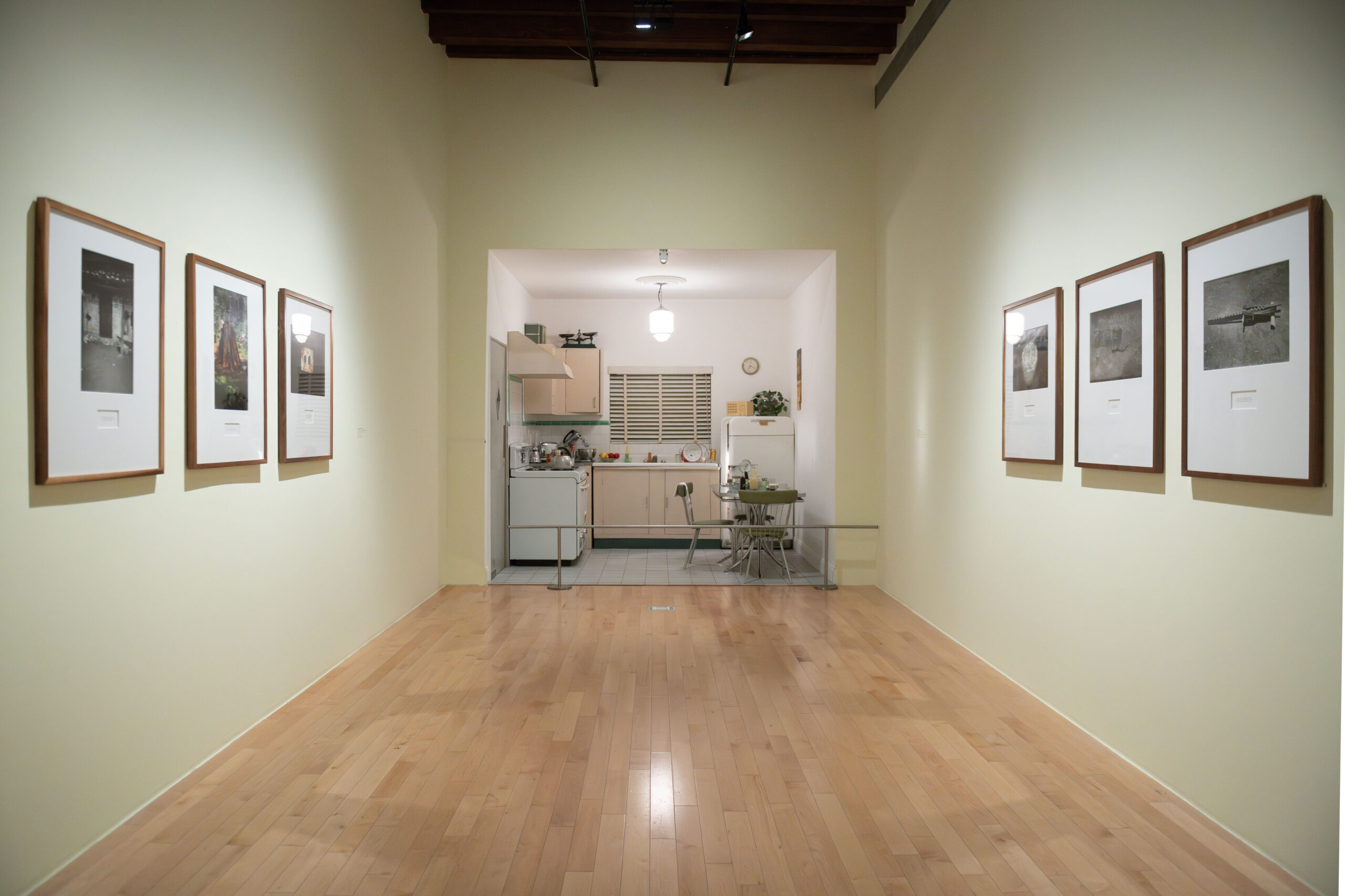
Further on, in Mil novecientos cincuenta y cuatro, Mauricio Gattás reconstructs a 1950s kitchen from Monterrey within the museum’s galleries. It is the aspirational kitchen of a middle class embracing household appliances as one of the era’s defining symbols of modernity. It could easily have come straight out of a Corn Flakes advertisement from that decade. The space evokes the cliché of a middle-class, heteronormative nuclear family in which the man provides and the woman cares.
Installation view of “Mil novecientos cincuenta y cuatro”. Museo Amparo, Puebla, 2026.
But if home also means the space inside our houses, what happens when we speak of domestic violence, the gendered division of labor, economic independence, or violence inflicted through loved ones? And what home can we speak of today, when the housing crisis in our cities and real estate pressures driven by tourist rentals gentrify neighborhoods and displace their residents? Torolab’s work addresses these displacements and spatial hierarchies. In Mapa: 16 x 16 capas de decisión, the collective creates a topography in which municipalities with lower purchasing power sink below the others, mapping the spatial divisions between social classes across territories.
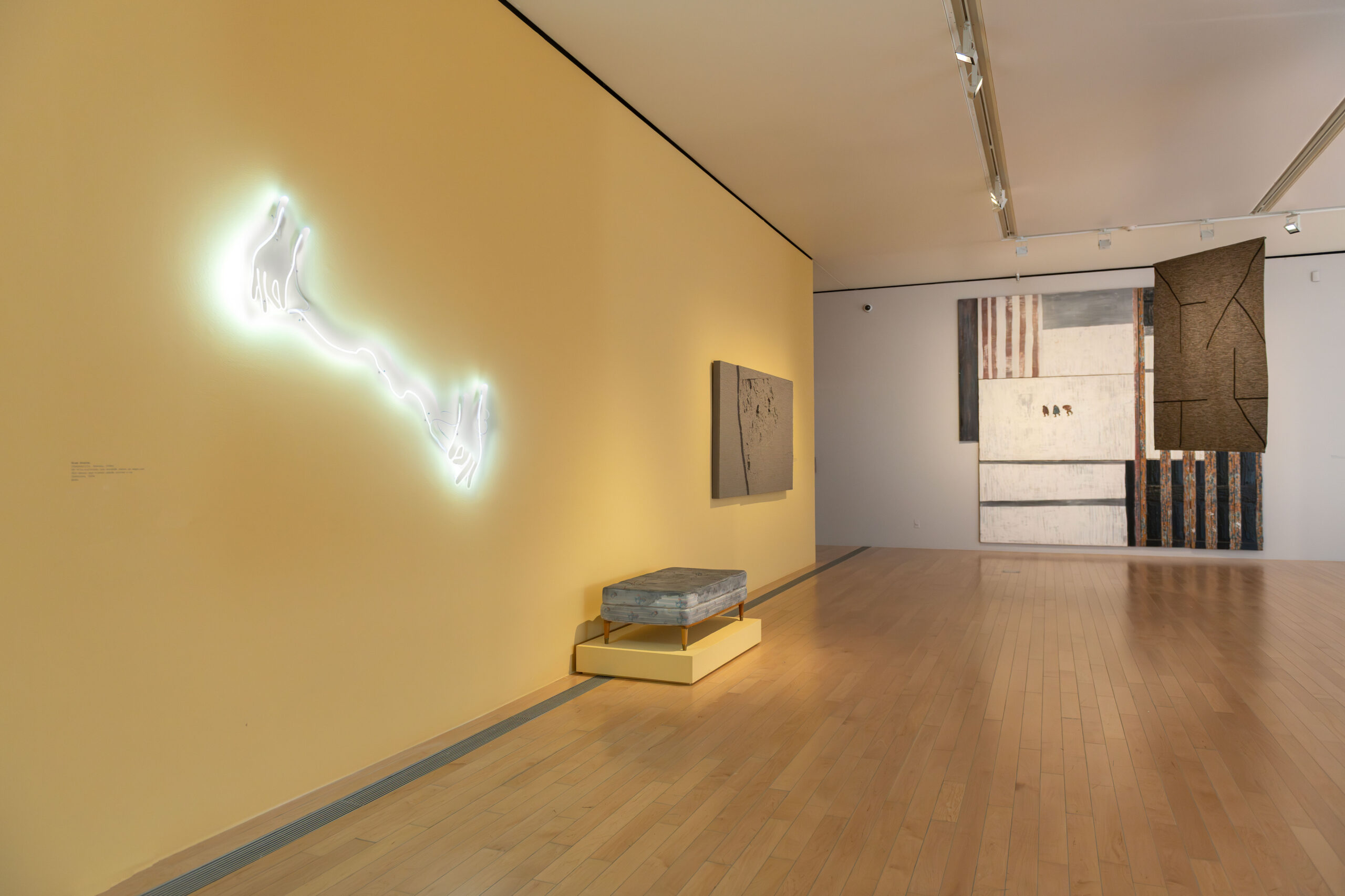
Alan Sierra’s work also appears in this section, addressing displacement and migration. In Un hilo colocado con cuidado sobre un mapa por dos manos que vienen desde arriba o La frontera [A Thread Carefully Placed on a Map by Two Hands Reaching Down from Above, or The Border], Sierra questions who draws the boundaries between territories and who establishes the divide between the First and Third Worlds. Miguel Fernández de Castro, in turn, directs our attention to life along these dividing lines and the necropolitics that govern border territories.
“Un hilo colocado con cuidado sobre un mapa por dos manos que vienen desde arriba o La frontera” [“A Thread Carefully Placed on a Map by Two Hands Reaching Down from Above, or The Border”], Alan Sierra. Museo Amparo, Puebla, 2026.
Finally, the exhibition’s largest section is devoted to nature. Initially presented as landscape, it opens with Dr. Atl’s El maizal [The Cornfield], a foundational work in the FEMSA Collection that prompts reflection on the place of landscape in the history of painting. To call nature a landscape is to create distance, imposing a gaze on what was once a shared environment. These works enter into dialogue with a series of paintings by Circe Irasema, who depicts natural elements on wooden supports in ways that challenge the conventions of perspective in Western painting—and, with them, the notion of landscape introduced at the beginning of this section. By changing how nature is represented, the artist questions how the West has turned it into an object of study, separating the observer from the observed. Her work thus critiques the severing of the relationship between human beings and nature as parts of a shared whole.
If nature is our home, how has it become a resource to be consumed, polluted, and plundered through extractive processes and their deep, inherent violence? And how might we rethink our relationship with it? As the curatorial text for this section states, “to inhabit the world is to recognize that we do not live apart from nature; we are nature.” Works such as those by Carlos Alfonso explore this idea, advocating for the recovery of oral histories from the Paispamba region of Colombia, stories connected to practices of cultivation and care.
Leda Catunda’s work imagines relationships between species through interdependence, affirming that “in place of the logic of domesticating our surroundings, another possible bond is proposed here: the mutual nurturing of life.” Rather than conceiving of nature as something to be dominated or domesticated, she proposes relationships based on care, dependence, and mutual nurturing. These bonds disappear whenever territories are plundered for the private benefit of corporations and states.
Moving from the intimate to the collective, the exhibition asks: what is it like to inhabit an uninhabitable world? A body made uninhabitable by violence; a domestic space that confines and renders feminized labor precarious; territories marked by dispossession, forced migration, and border violence; nature rendered uninhabitable by plunder and the violent erasure of relationships between species; and identities that order, classify, and administer the colonial policies inherited by modern nation-states.