In Julian Rosefeldt’s Manifesto, Cate Blanchett plays thirteen different characters who deliver collages of artistic manifestos. In every scene, twelve Blanchetts address the viewer in robotic voices, breaking the fourth wall, and cinema becomes a utopia on the horizon.
Art is not a mirror to reflect reality,
but a hammer with which to shape it.
Bertolt Brecht1
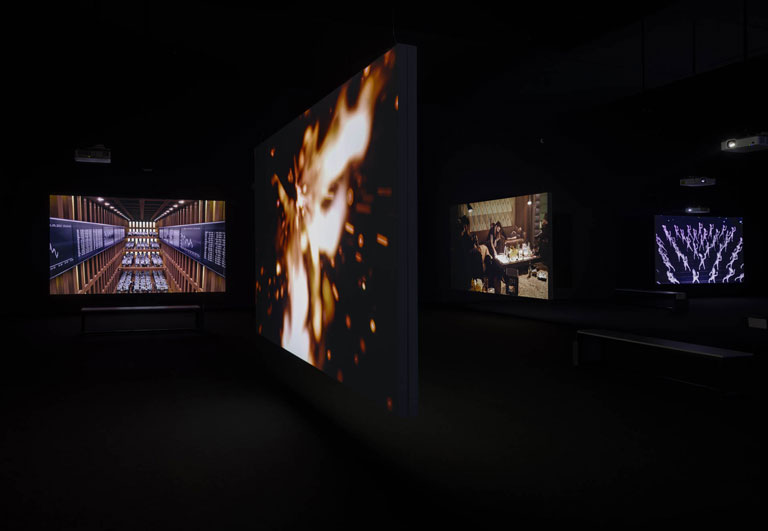
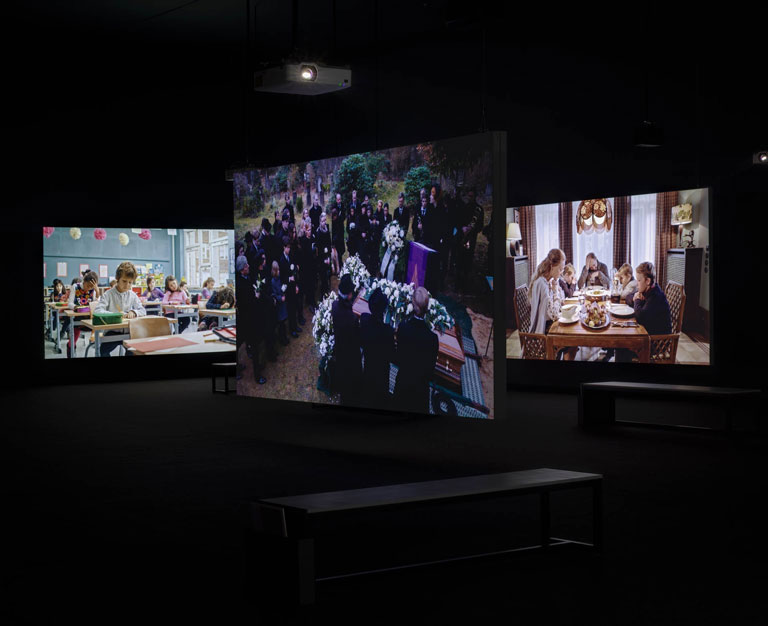
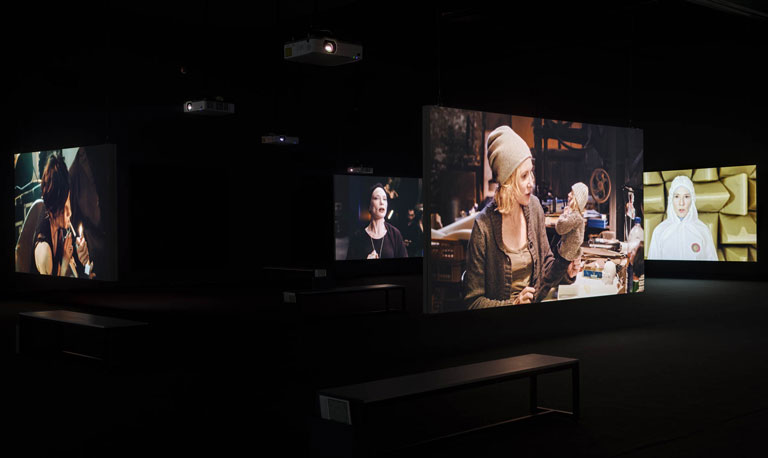
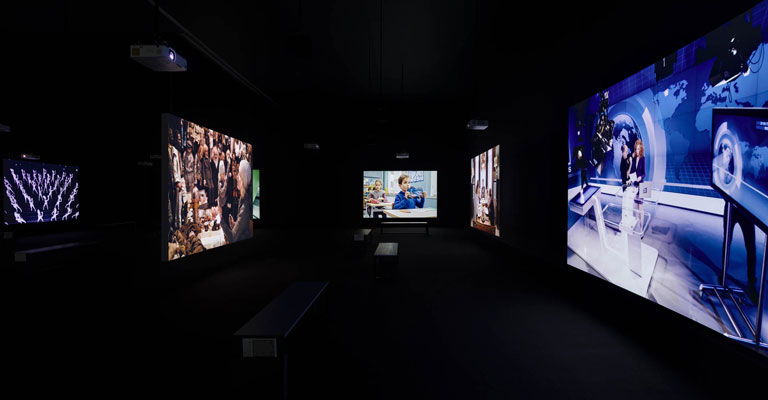
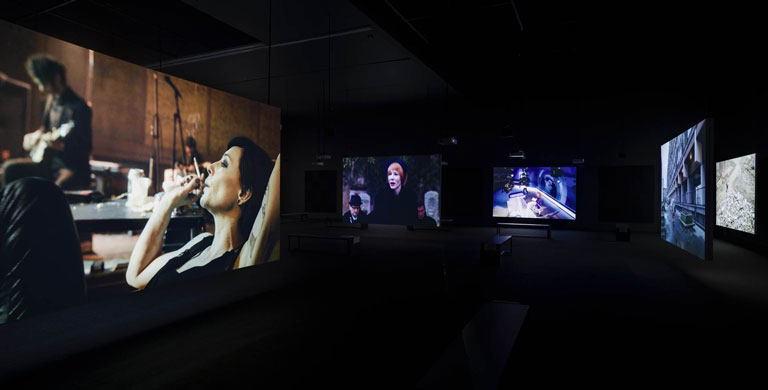
Manifesto, by Julian Rosefeldt, is a thirteen-channel film installation in which the narrative on each screen—constructed from a collage of manifestos—articulates the utopian vision that defined one or more artistic movements. While each vignette functions independently, there is also an overarching narrative in the sequence of their presentation, as well as a collective experience shared by the bodies and screens that converge as one navigates the exhibition. These canonical texts, which left an indelible mark on their respective eras, engage in a dialogue with the imagery over the course of more than two hours, unfolding in scenes that feature thirteen distinct characters—all portrayed by Cate Blanchett.
The prologue, titled Lit Fuse, opens the work with the words of Karl Marx and Friedrich Engels—specifically with the phrase that encapsulates the idealism of their thought and reveals why their text served as the proto-manifesto for the avant-gardes, the various “-isms,” and the aesthetic-political struggles of modernism: “All that is solid melts into air.”2
Fire is ignited as an expression of a potential transformation.
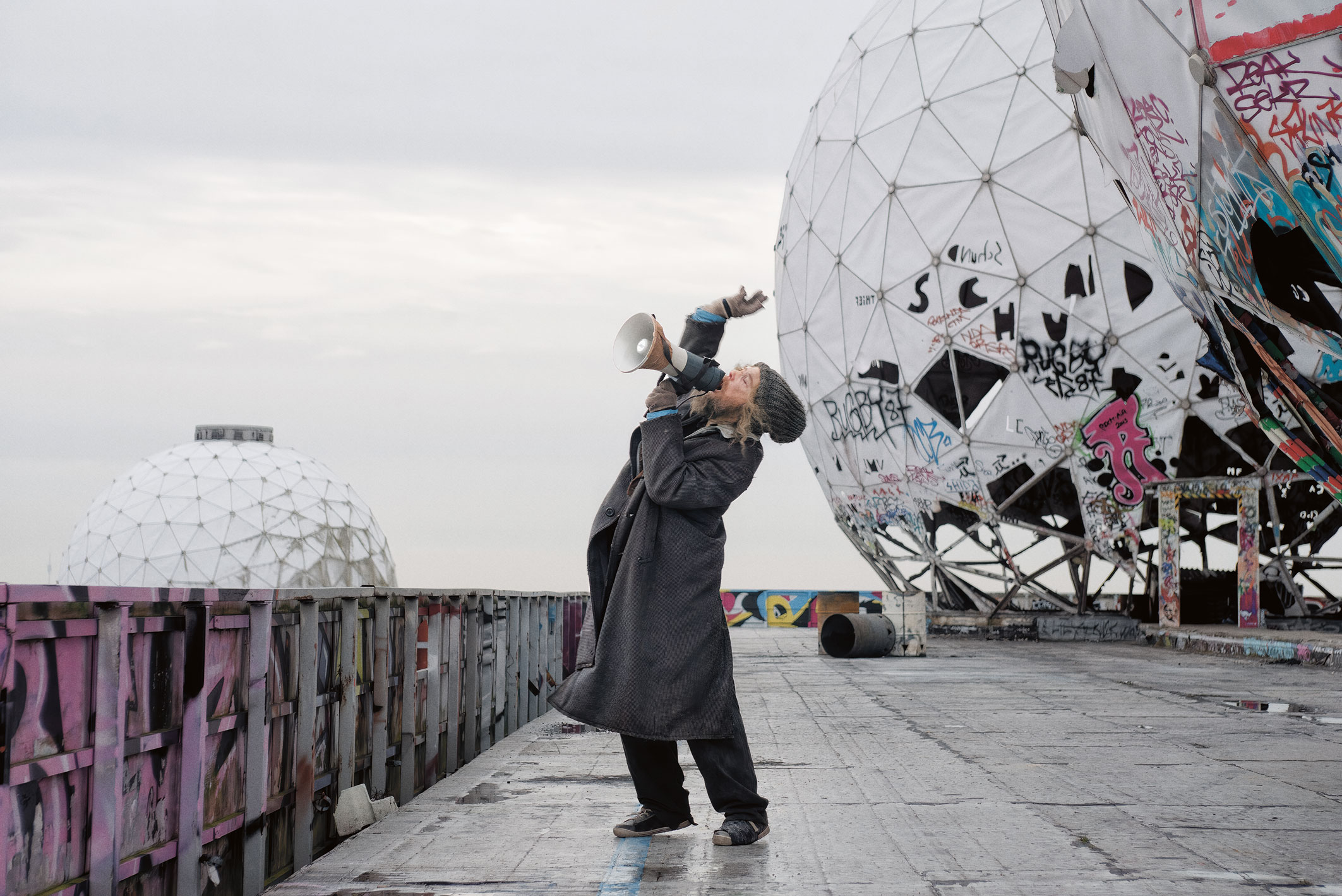
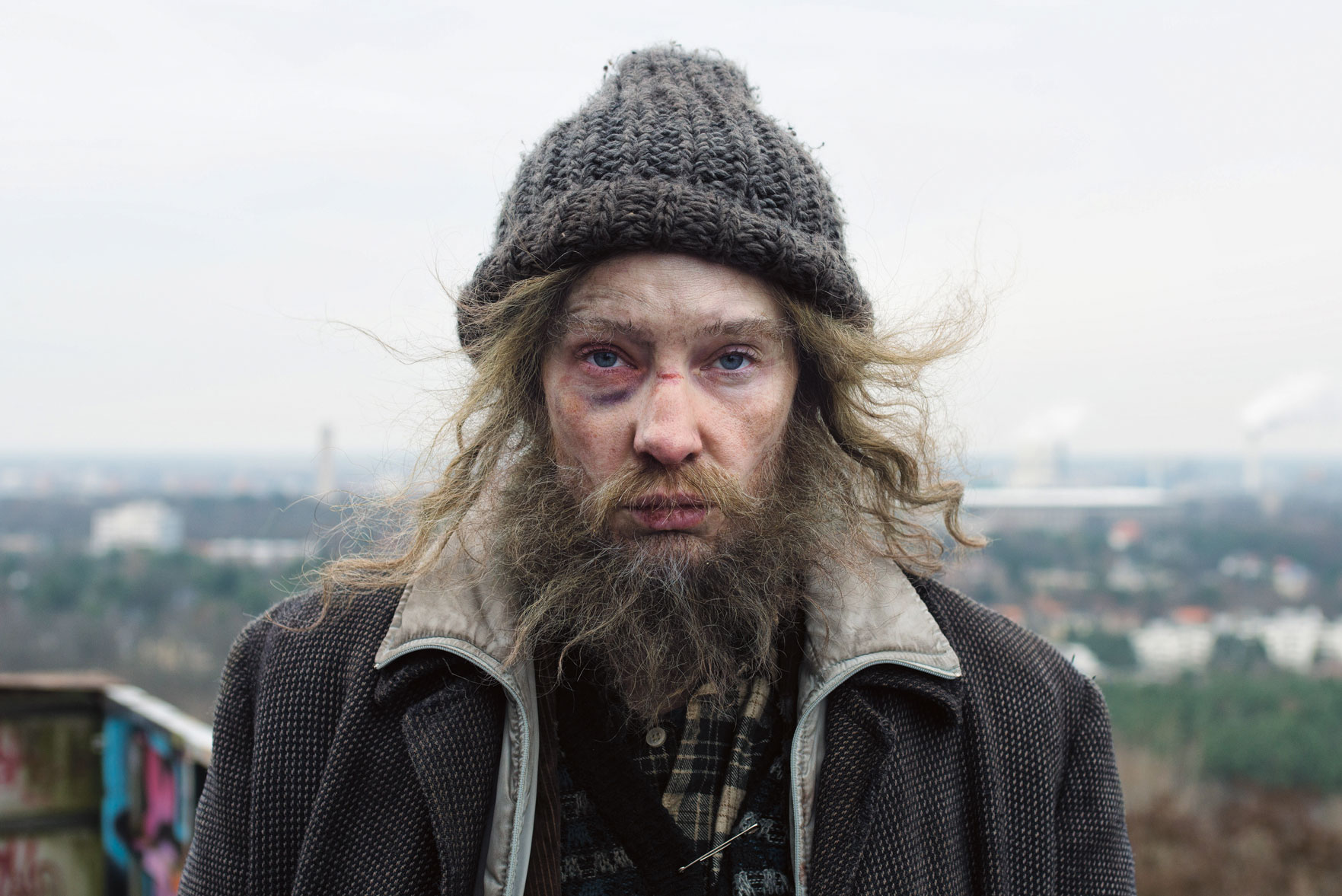
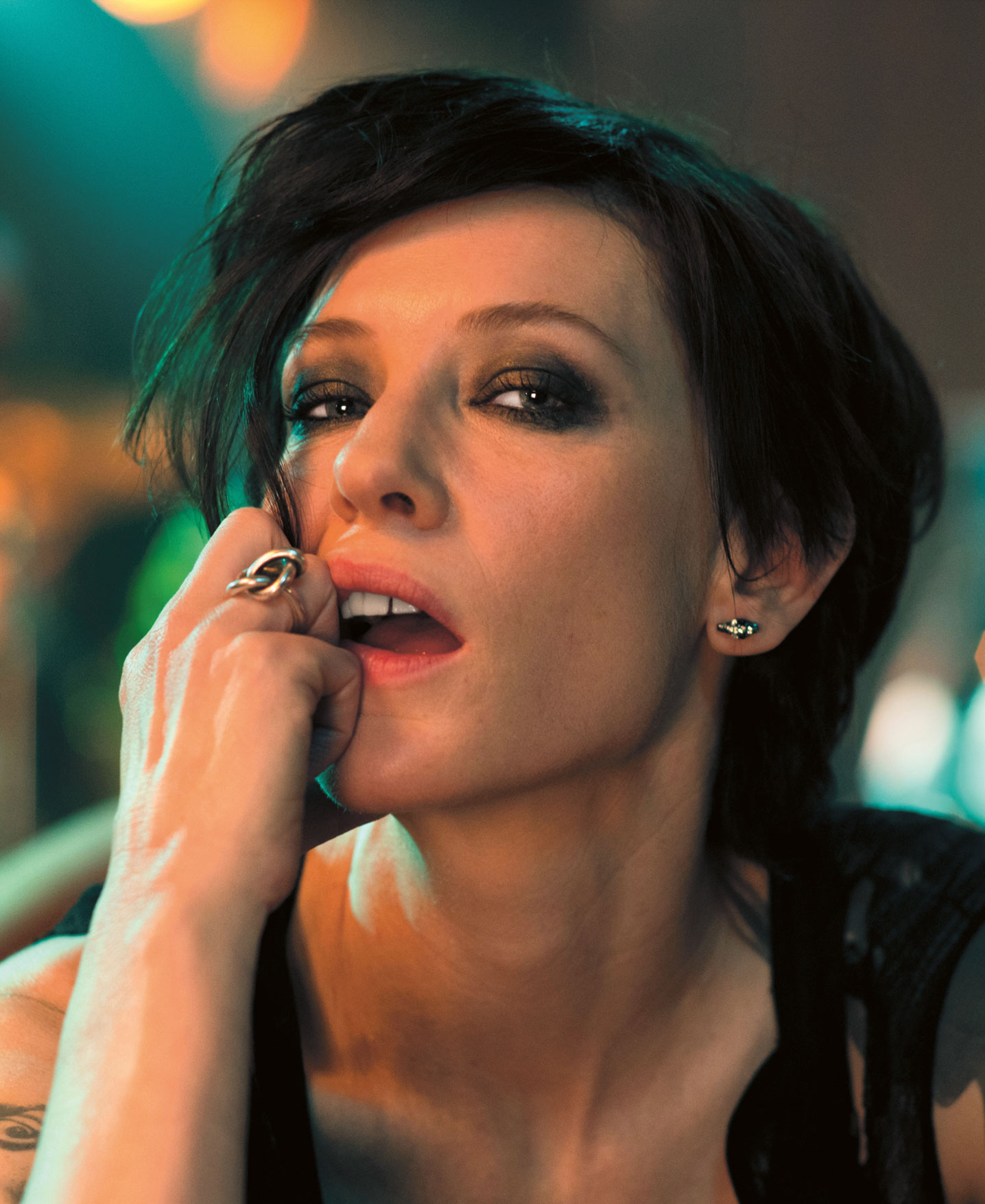
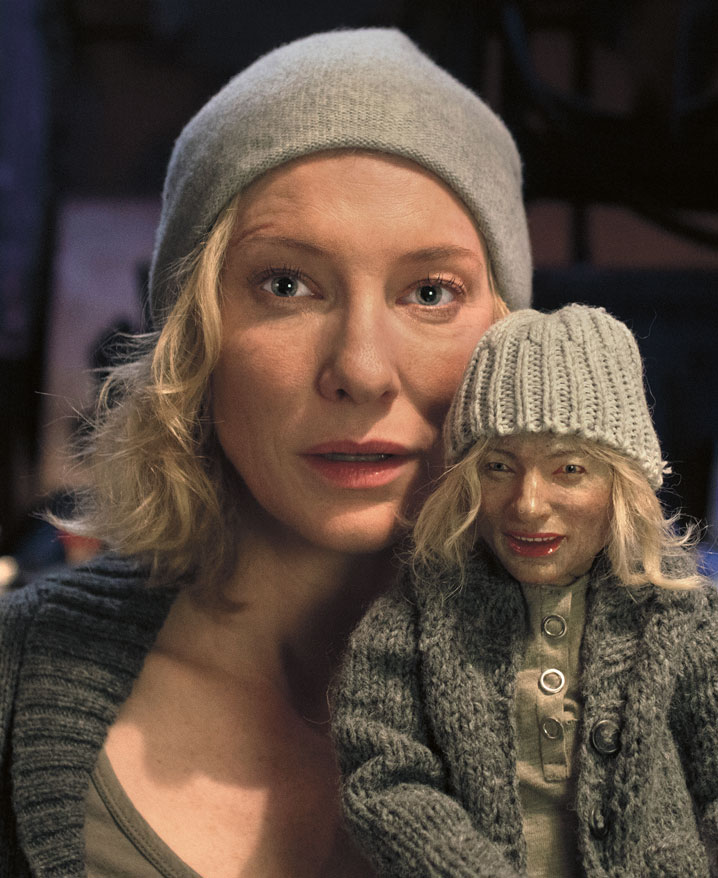
This is followed by twelve scenes, each ten minutes and thirty seconds long, in which Blanchett embodies a series of manifestos through stereotypical characters—radical expressions of contemporary existence. Following the order established by the artist, the sequence begins with Situationism (a vagrant); then comes Futurism (a Wall Street executive); architecture (a demolition worker); Vorticism, Blue Rider, and Abstract Expressionism (a CEO at a private party); Stridentism and Creationism (a tattooed punk); Suprematism and Constructivism (a scientist in a laboratory); Dadaism (a speaker at a funeral); Surrealism and Spatialism (a puppeteer); Pop Art (a conservative mother); Fluxus, Merz, and performance art (a choreographer directing a company); Conceptual Art and Minimalism (a news anchor and a reporter); and, finally, cinema and epilogue (an elementary school teacher).
Through these scenes, the manifesto takes the form of a prayer before dinner, a eulogy at a funeral, a television script, or an elementary school lesson. Rather than the integration of utopian desire into daily life, these are moments in which discourse—or the form of the vessel containing it—is positioned at the center of social interaction; moments in which rhetoric takes center stage.
This discursive reflexivity is also evident in the filmmaking choices and the audiovisual language employed. There are subtle nods embedded in the camera angles and movements; such as the rotating overhead shot in the Futurism vignette, seen as the words of Dziga Vertov (a pseudonym that literally translates to “spinning top”) declaim the revelatory potential of the “cine-eye.” A utopia in which technology expands our human senses.
The artist draws upon various formal codes of cinematic realism—a quintessential mode of contemporary audiovisual fiction—including drone shots, slow motion, voice-over, close-ups, the presence of celebrities, and, most tellingly, meta-cinema. The film’s reflexivity extends beyond the mere exposure of cinematic artifice or “behind-the-scenes” glimpses. Rosefeldt employs a technique conceptualized by Bertolt Brecht to awaken a critical gaze in the viewer and foster an awareness of the medium’s own nature: distancing.
Throughout the film, the protagonist addresses the camera just as she does the characters within the diegesis. Yet, there is a recurring moment in every scene: twelve versions of Cate Blanchett appear on twelve simultaneous screens—within the same frame, but each with a different persona. In a robotic voice, they address the viewer, breaking the so-called “fourth wall” and revealing the work’s true, unifying purpose.
Rather than merely presenting a polyphony of ideals, the piece reveals the singular nature of the manifesto as a historical form—driven by a radical impulse to believe, as Brecht himself did, that art is a hammer with which to reshape the world. The symmetrical repetition of this device creates the sense that the exposition is unfolding as an ascending spiral, one that constantly returns to—and departs from—the very same point: the eternal recurrence of art’s utopian expression.
Furthermore, this moment of singularity—achieved through Brechtian distancing—invites us to shift our gaze toward other screens, or rather, to pull our focus back to take in the entire space, allowing us to perceive a kind of rhizome of utopias resonating in unison. It is not merely a coexistence of temporalities, but a moment where the unfolding narrative is interrupted, revealing the folds that exist within linear time—a movement toward cyclical time.3
The fire of idealism that marks the film’s opening—an indexical reference to later manifestos—possesses the power not only to transform, illuminate, or set things ablaze, but also to reveal a spectacle of light and shadow. Fire even emerges as a recurring motif throughout the work: appearing as fireworks, or in the simple act of lighting a cigarette. It also manifests as electricity—in the lights of a television studio, on a theater stage, and, indeed, within Rosefeldt’s own cinematic oeuvre.
Thinking in tautological terms, the artist chooses—to proclaim his own manifesto—what Jean Epstein called “the most powerful poetic medium, the one most capable of realizing the unreal.”4 Both before and after the reign of discourse, it is the moving image that—like a primordial fire—has gathered us together: in caves, around campfires, and before the screen, to behold a spectacle of images crafted from light and shadow.
In the final scene, titled “Cinema and Epilogue,” Rosefeldt invites us to contemplate the medium itself, presenting a series of manifestos by artists whose raw material is light in motion. Whether it is Stan Brakhage’s rejection of language in favor of an infantile vision, or Werner Herzog’s quest for an ecstatic truth, these approaches position this reality-reproduction art form as a utopia on the horizon. Cinema as a gesture in which an-other reality is always projected, unfolding with the movement of life itself.5
All that is solid melts into thin air.
In its apparent asceticism and symmetry—and beyond what it conveys through language—Manifesto reveals the very form of utopia, echoing a Nietzschean call regarding the possibilities of creation and repetition. It invites us to take up a hammer and re-shape the world; to consider re-presentation as a manifestation of the inherent reversibility of the creative act between creating images and creating worlds.
“Manifesto”, 2015. Julian Rosefeldt©. Courtesy of the artist.
Art is not a mirror to reflect reality,
but a hammer with which to shape it.
Bertolt Brecht1
Manifesto, by Julian Rosefeldt, is a thirteen-channel film installation in which the narrative on each screen—constructed from a collage of manifestos—articulates the utopian vision that defined one or more artistic movements. While each vignette functions independently, there is also an overarching narrative in the sequence of their presentation, as well as a collective experience shared by the bodies and screens that converge as one navigates the exhibition. These canonical texts, which left an indelible mark on their respective eras, engage in a dialogue with the imagery over the course of more than two hours, unfolding in scenes that feature thirteen distinct characters—all portrayed by Cate Blanchett.
The prologue, titled Lit Fuse, opens the work with the words of Karl Marx and Friedrich Engels—specifically with the phrase that encapsulates the idealism of their thought and reveals why their text served as the proto-manifesto for the avant-gardes, the various “-isms,” and the aesthetic-political struggles of modernism: “All that is solid melts into air.”2
Fire is ignited as an expression of a potential transformation.
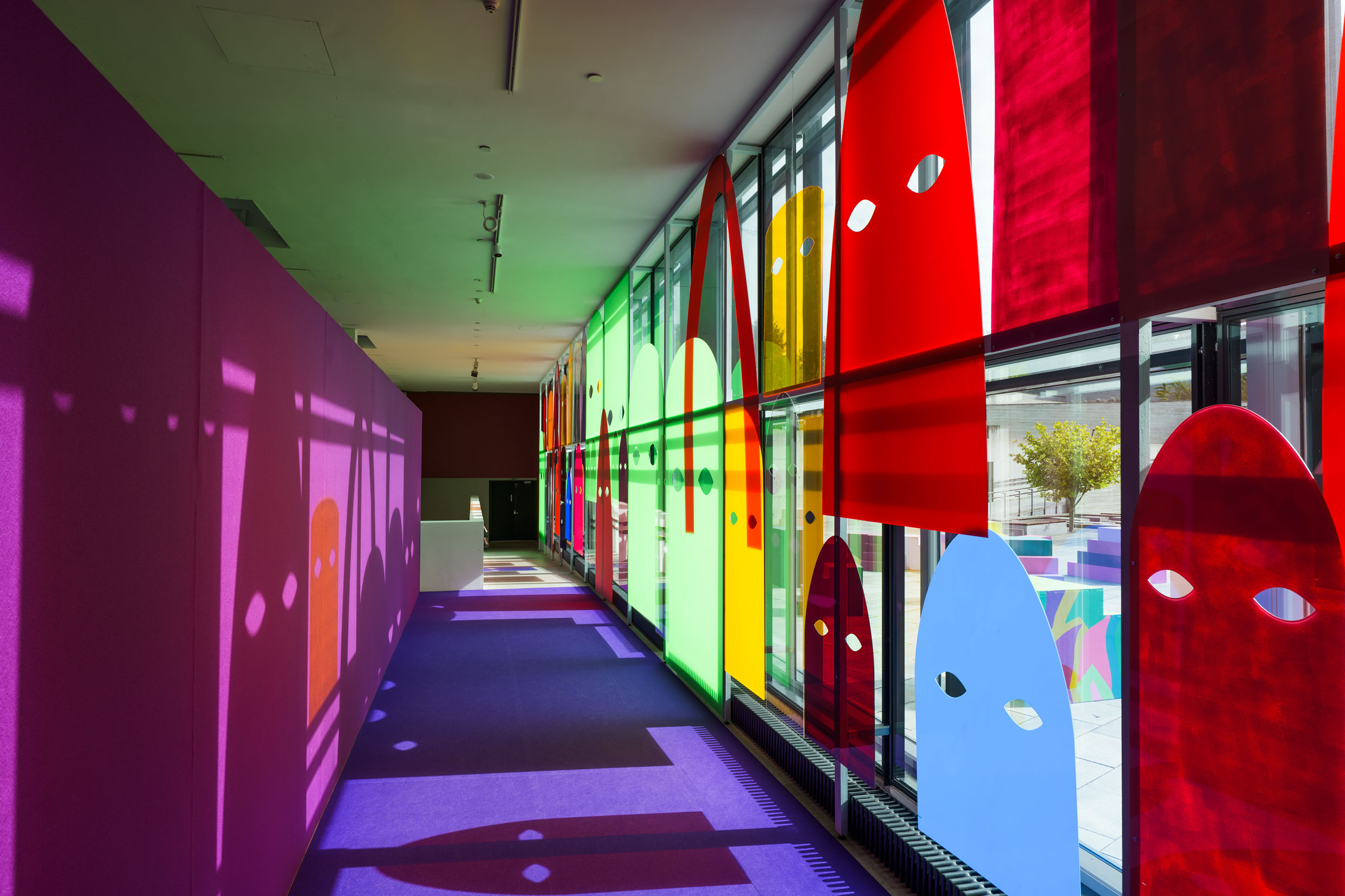
Julian Rosefeldt, “Manifesto”. Exhibition view. Museo Universitario Arte Contemporáneo, MUAC/UNAM, 2026. Photographs: Oliver Santana.
This is followed by twelve scenes, each ten minutes and thirty seconds long, in which Blanchett embodies a series of manifestos through stereotypical characters—radical expressions of contemporary existence. Following the order established by the artist, the sequence begins with Situationism (a vagrant); then comes Futurism (a Wall Street executive); architecture (a demolition worker); Vorticism, Blue Rider, and Abstract Expressionism (a CEO at a private party); Stridentism and Creationism (a tattooed punk); Suprematism and Constructivism (a scientist in a laboratory); Dadaism (a speaker at a funeral); Surrealism and Spatialism (a puppeteer); Pop Art (a conservative mother); Fluxus, Merz, and performance art (a choreographer directing a company); Conceptual Art and Minimalism (a news anchor and a reporter); and, finally, cinema and epilogue (an elementary school teacher).
“Manifesto”, 2015. Julian Rosefeldt©. Courtesy of the artist.
Through these scenes, the manifesto takes the form of a prayer before dinner, a eulogy at a funeral, a television script, or an elementary school lesson. Rather than the integration of utopian desire into daily life, these are moments in which discourse—or the form of the vessel containing it—is positioned at the center of social interaction; moments in which rhetoric takes center stage.
Julian Rosefeldt, “Manifesto”. Exhibition view. Museo Universitario Arte Contemporáneo, MUAC/UNAM, 2026. Photographs: Oliver Santana.
This discursive reflexivity is also evident in the filmmaking choices and the audiovisual language employed. There are subtle nods embedded in the camera angles and movements; such as the rotating overhead shot in the Futurism vignette, seen as the words of Dziga Vertov (a pseudonym that literally translates to “spinning top”) declaim the revelatory potential of the “cine-eye.” A utopia in which technology expands our human senses.
The artist draws upon various formal codes of cinematic realism—a quintessential mode of contemporary audiovisual fiction—including drone shots, slow motion, voice-over, close-ups, the presence of celebrities, and, most tellingly, meta-cinema. The film’s reflexivity extends beyond the mere exposure of cinematic artifice or “behind-the-scenes” glimpses. Rosefeldt employs a technique conceptualized by Bertolt Brecht to awaken a critical gaze in the viewer and foster an awareness of the medium’s own nature: distancing.
Julian Rosefeldt, “Manifesto”. Exhibition view. Museo Universitario Arte Contemporáneo, MUAC/UNAM, 2026. Photographs: Oliver Santana.
Throughout the film, the protagonist addresses the camera just as she does the characters within the diegesis. Yet, there is a recurring moment in every scene: twelve versions of Cate Blanchett appear on twelve simultaneous screens—within the same frame, but each with a different persona. In a robotic voice, they address the viewer, breaking the so-called “fourth wall” and revealing the work’s true, unifying purpose.
“Manifesto”, 2015. Julian Rosefeldt©. Courtesy of the artist.
Rather than merely presenting a polyphony of ideals, the piece reveals the singular nature of the manifesto as a historical form—driven by a radical impulse to believe, as Brecht himself did, that art is a hammer with which to reshape the world. The symmetrical repetition of this device creates the sense that the exposition is unfolding as an ascending spiral, one that constantly returns to—and departs from—the very same point: the eternal recurrence of art’s utopian expression.
Furthermore, this moment of singularity—achieved through Brechtian distancing—invites us to shift our gaze toward other screens, or rather, to pull our focus back to take in the entire space, allowing us to perceive a kind of rhizome of utopias resonating in unison. It is not merely a coexistence of temporalities, but a moment where the unfolding narrative is interrupted, revealing the folds that exist within linear time—a movement toward cyclical time.3
Julian Rosefeldt, “Manifesto”. Exhibition view. Museo Universitario Arte Contemporáneo, MUAC/UNAM, 2026. Photographs: Oliver Santana.
The fire of idealism that marks the film’s opening—an indexical reference to later manifestos—possesses the power not only to transform, illuminate, or set things ablaze, but also to reveal a spectacle of light and shadow. Fire even emerges as a recurring motif throughout the work: appearing as fireworks, or in the simple act of lighting a cigarette. It also manifests as electricity—in the lights of a television studio, on a theater stage, and, indeed, within Rosefeldt’s own cinematic oeuvre.
Julian Rosefeldt, “Manifesto”. Exhibition view. Museo Universitario Arte Contemporáneo, MUAC/UNAM, 2026. Photographs: Oliver Santana.
Thinking in tautological terms, the artist chooses—to proclaim his own manifesto—what Jean Epstein called “the most powerful poetic medium, the one most capable of realizing the unreal.”4 Both before and after the reign of discourse, it is the moving image that—like a primordial fire—has gathered us together: in caves, around campfires, and before the screen, to behold a spectacle of images crafted from light and shadow.
“Manifesto”, 2015. Julian Rosefeldt©. Courtesy of the artist.
In the final scene, titled “Cinema and Epilogue,” Rosefeldt invites us to contemplate the medium itself, presenting a series of manifestos by artists whose raw material is light in motion. Whether it is Stan Brakhage’s rejection of language in favor of an infantile vision, or Werner Herzog’s quest for an ecstatic truth, these approaches position this reality-reproduction art form as a utopia on the horizon. Cinema as a gesture in which an-other reality is always projected, unfolding with the movement of life itself.5
All that is solid melts into thin air.
In its apparent asceticism and symmetry—and beyond what it conveys through language—Manifesto reveals the very form of utopia, echoing a Nietzschean call regarding the possibilities of creation and repetition. It invites us to take up a hammer and re-shape the world; to consider re-presentation as a manifestation of the inherent reversibility of the creative act between creating images and creating worlds.