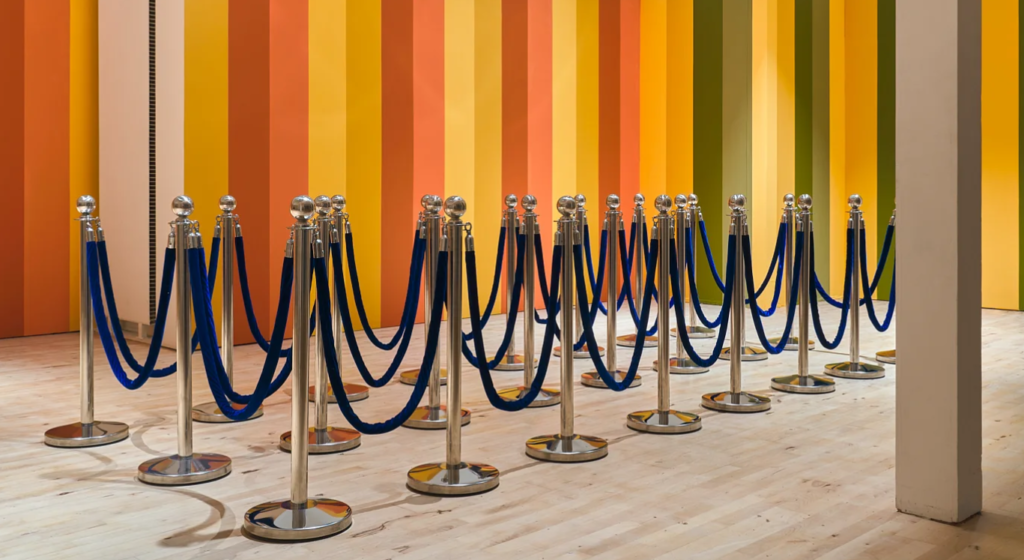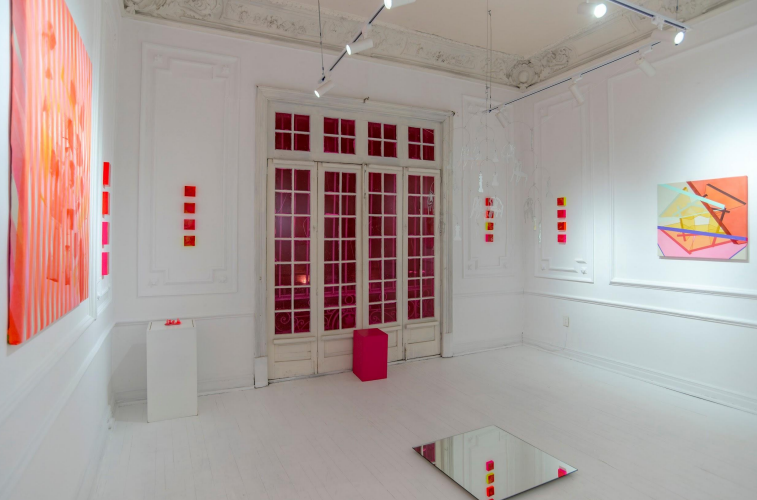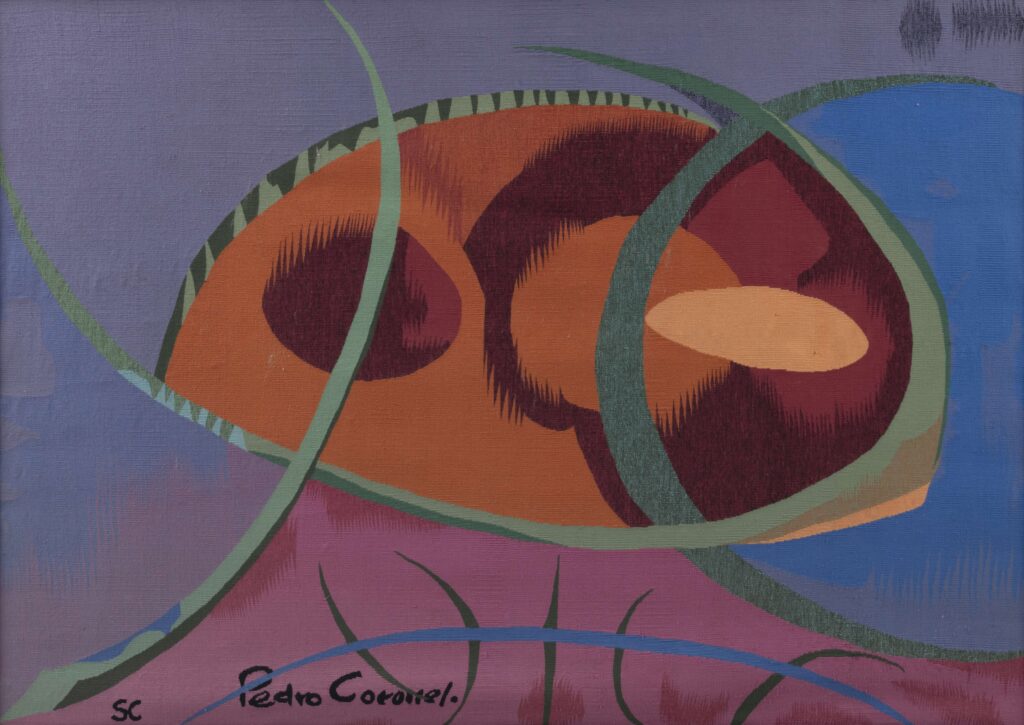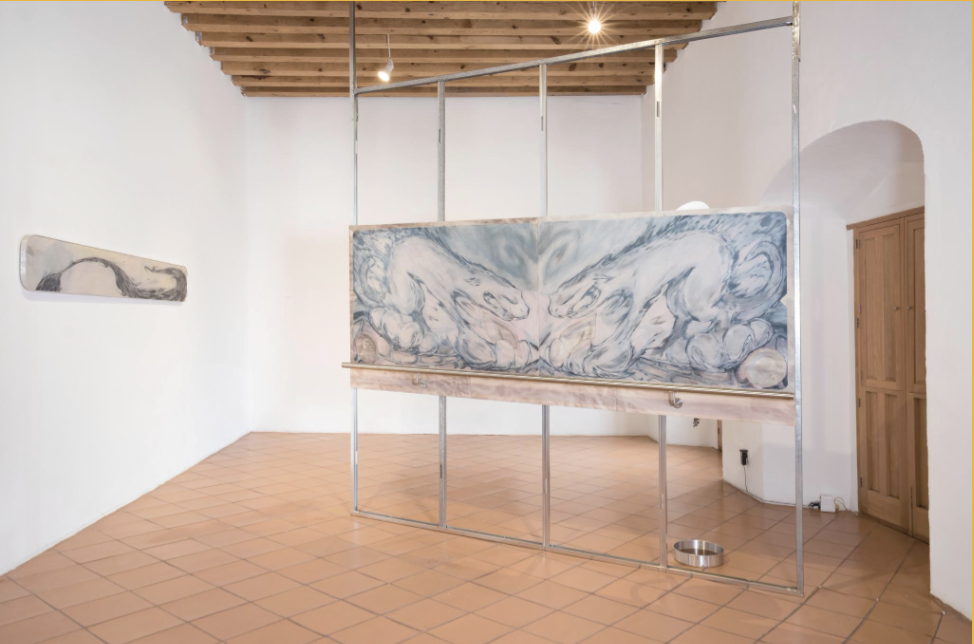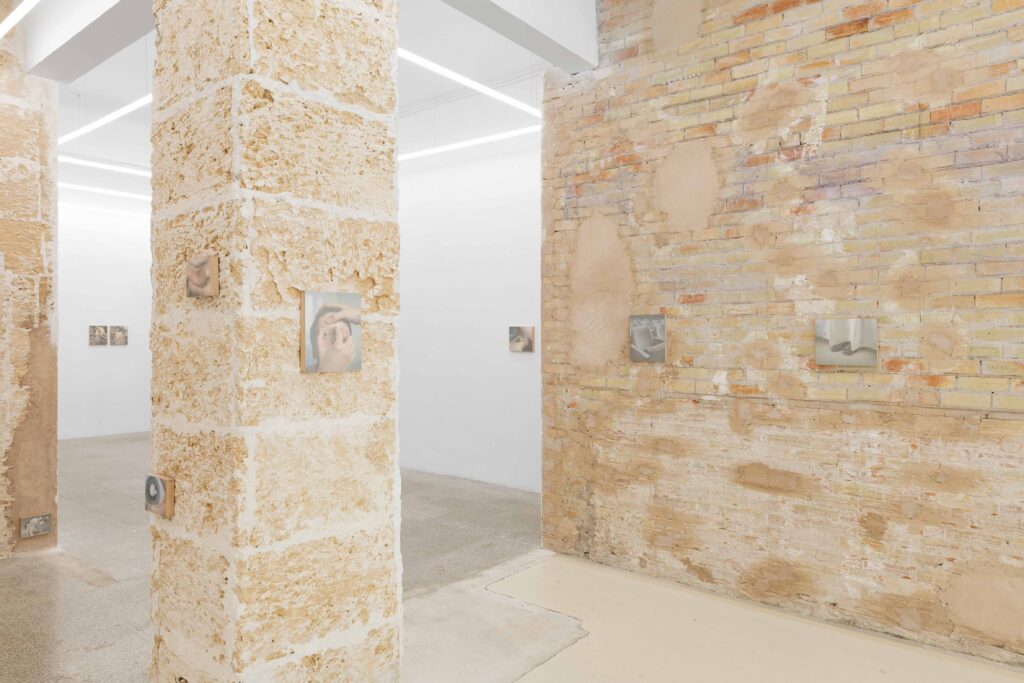

The University Museum of Contemporary Art (MUAC), attached to the General Directorate of Visual Arts (DGAV) of the UNAM, launches a platform that allows consulting its artistic collection online. Hosted on the site coleccionmuac.unam.mx, this interface functions not only as a virtual gallery, but also as an exhaustive research tool that allows exploring this collection, integrated with more than 2,200 works by more than 400 artists. The initiative makes available to the academic community and the general public a significant set of pieces that account for the diversity of techniques, materials, and conceptual approaches that have shaped the recent history of art in Mexico from 1952 to date.
In a first stage, it presents resources to explore the collection whether by name of artists, title of works, type of object, and technique. In each artwork record, data linked to controlled vocabularies and international standards are offered, which facilitates precision in search processes. Furthermore, it highlights a section of relevant works accompanied by comments and video capsules where the artists themselves explain their work and includes a detailed photographic record that documents both the work as a whole and its particular elements, facilitating a visual and analytical approach for research, teaching, and cultural dissemination.
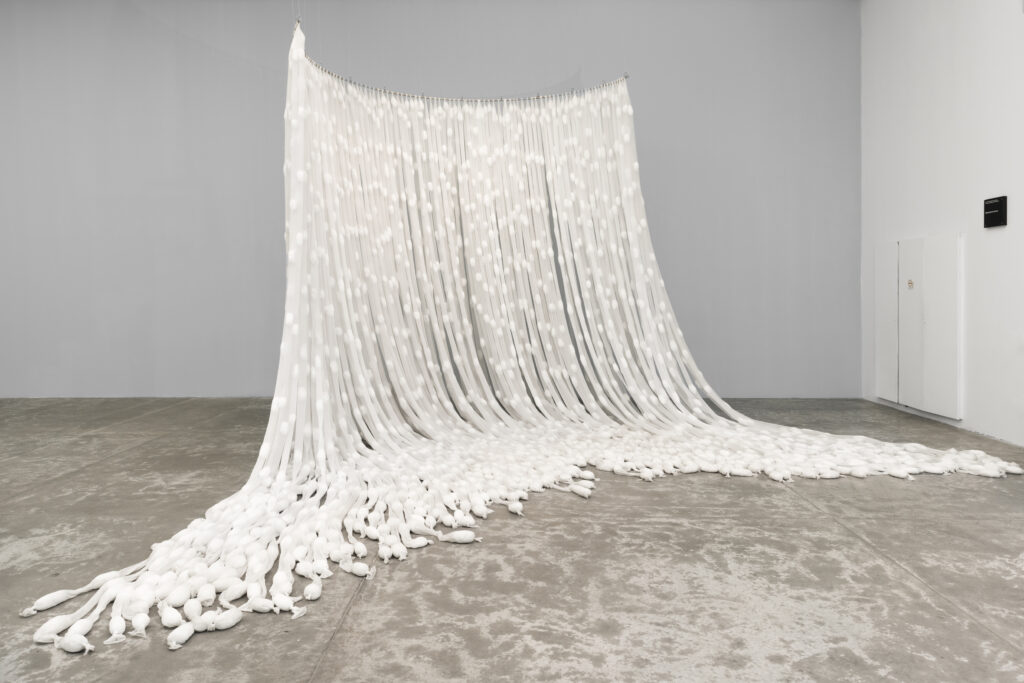
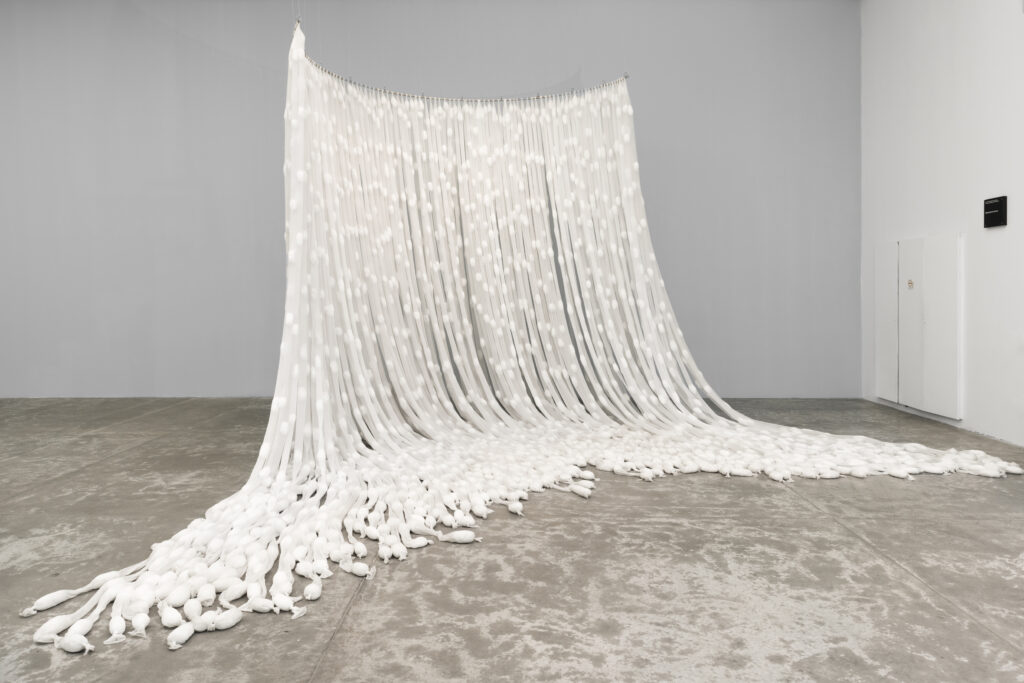
Any user of this platform will be able to find a catalog of iconic pieces such as Nivel de confianza (2015) by Rafael Lozano-Hemmer, the installation Balones acelerados (2005) by Gabriel Orozco, and the imposing nylon sculpture Cascada (1978) by Marta Palau, examples that illustrate the technical diversity of the collection.
Through this collection, the museum offers a detailed reading of contemporary visual culture, also integrating works such as Corazón de América (1987) by Juan Francisco Elso and the emotional and bodily explorations of identity, otherness, and the feminine by Magali Lara, such as Cae (1999) and Tener/Desear (1997). The inclusion of creators such as Manuel Felguérez with his work Muro de las formas mecánicas. Peñon de los baños (1964) and Helen Escobedo with Ambiente gráfico (1970) and Corredor blanco (1969) reaffirm the commitment of the institution to preserve critical dialogues between the avant-gardes of the 20th century and the expressions of more recent artists such as Tania Candiani with Máquina telar (2011-2012) or Cristóbal Gracia with Perla barroca cultivada, “La Pelusa” (2022).