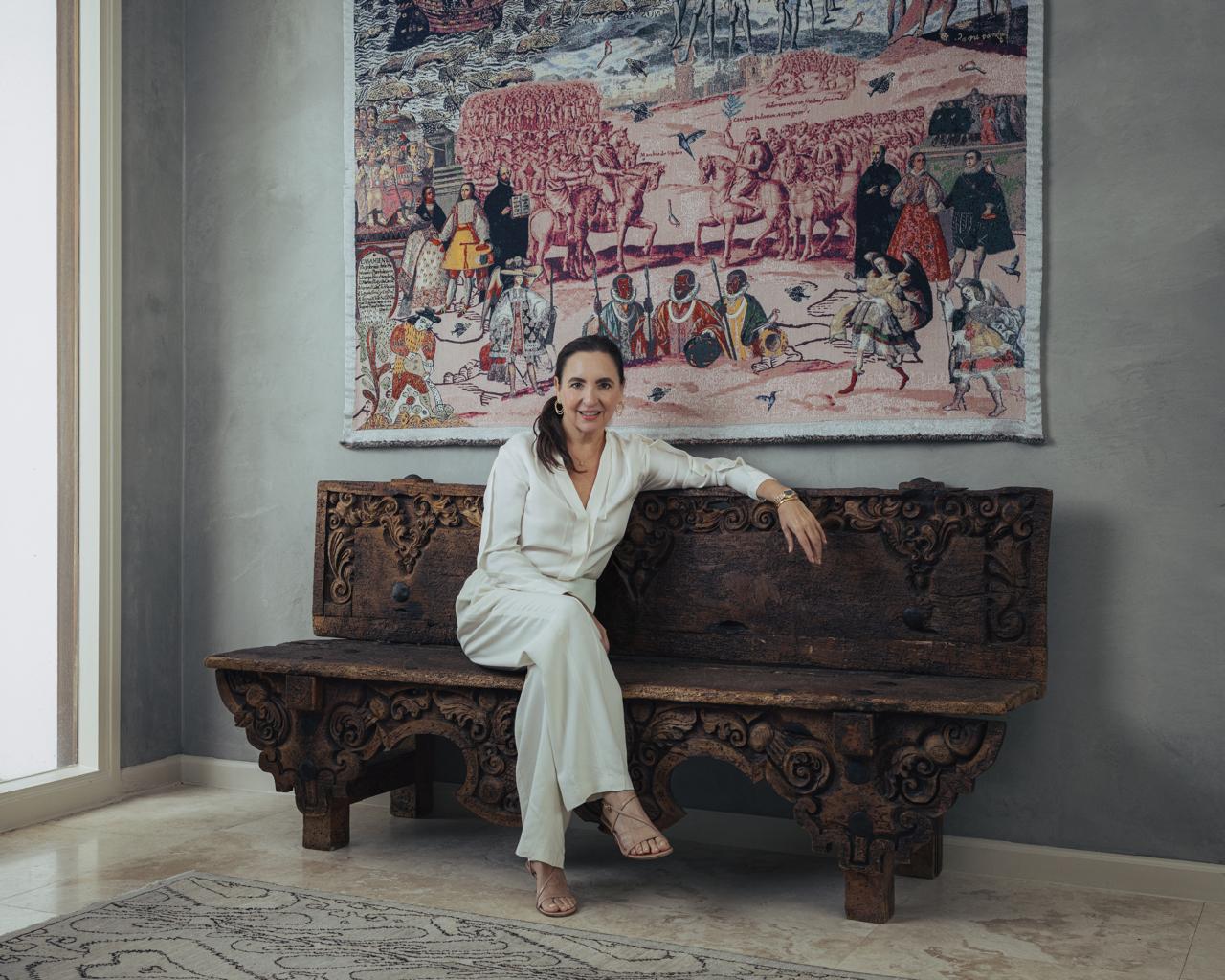
An Interview with Paola Creixell by Verónica Guerrero
Paola Creixell began collecting out of a deeply personal desire to live with art. Over time, that impulse grew into a practice that extends beyond collecting into a more complex terrain, building infrastructure for artistic production. Today, that trajectory takes shape in PAC Art, a space in Houston focused on artist residencies.
In this conversation with Verónica Guerrero, Paola Creixell traces that transition from personal taste to community building, and reflects on residencies as spaces of intimacy, risk, and possibility.
Verónica Guerrero [VG]: I’d like to begin with that turning point. You move from a personal form of collecting to building an institution. Whrn does collecting stop being enough, and when when does the need to engage more directly in production emerge?
Paola Creixell [PC]: I began acquiring artworks fourteen years ago from a completely personal place, without any structure—simply with the intention of living with art. But as I became more involved with museums, fairs, and travel, a question emerged: how can I do something that truly benefits artists?
The turning point came after the pandemic, when I visited a residency in Oaxaca. I was struck by what it generated within its community. That’s when I understood it wasn’t enough to open my home or share my collection. There was a need to do something more, to intervene in a different way.
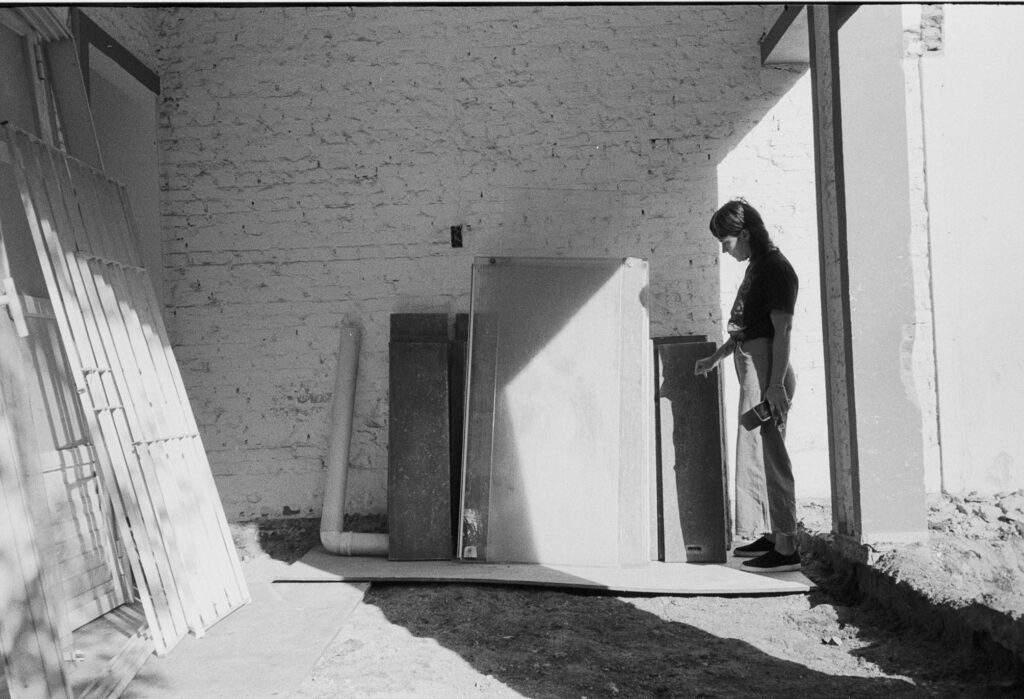
So I began with something very intuitive. I had a warehouse in an industrial area of Houston and decided to open it up as a space, without grand ambitions. I built it almost from scratch,with guidance from afar and a great deal of nerves.
[VG]: Collecting often operates from a place of personal preference, while founding an institution entails responsibilities. In that transition, there is also a shift in power—from deciding what is acquired to deciding what is produced and what is made visible. How do you position yourself in relation to that responsibility?
[PC]: It’s an enormous responsibility. I think the only way to sustain it is to not lose sight of the fact that this is not about me. Everything at PAC is conceived for artists. That’s the one thing that doesn’t change. Of course, it involves making decisions: who you invite, what kinds of dialogues you foster, what kind of community you build.
What I try to do is ensure those decisions don’t come from ego or the art market, but from a place of genuine listening. It means asking myself: who needs this space? Where can I have an impact?
[VG]: But even from that position, there’s still a contradiction: the gesture of “giving space” also implies mediation and selection. How do you navigate that?
[PC]: Completely. There’s no way to escape that.
In the end, you’re always choosing. But I try to ensure that those choices are not exclusionary, but instead foster community.
Something that happened in the initial space, a warehouse in an industrial area, is that it became a meeting point. It brought together people from different circuits that rarely intersect in Houston.
[VG]: Could you tell me more about the city? Houston is shaped by very specific dynamics—energy capital, migration, urban expansion, inequality. How does PAC position itself within that context?
[PC]: Houston is an extremely diverse city, but also a highly fragmented one. Although I didn’t initially think of it this way, the space began to function as a point of convergence. PAC became a meeting point, a space where different worlds coexist but don’t usually intersect: institutions, artists, communities. Everyone is welcome, and now I see it more clearly. The city itself was asking for a project like this.
[VG]: And in that sense, what drew you to the artist residency format?
[PC]: We live in a constant saturation of images, and everything moves incredibly fast. In that context, residencies allow for greater depth. It’s not just about the finished work, but the process: seeing the artist work, make mistakes, experiment. That creates a much more intimate connection. The artist is not in exhibition mode, they’re not thinking about selling, but working from a more introspective, more honest place.
[VG]: What excites you about that format?
[PC]: What excites me most is the community that emerges.
At PAC, a very diverse community has taken shape, not only people from the art world, but also people who come in without any prior knowledge. They ask questions, they come closer, they get involved. That’s incredibly valuable, because it breaks with the idea that art is inaccessible. There’s also a strong exchange. The artist is nourished by the public, and the public by the artist. Within a gallery or an art fair, there are very clear codes: who enters, who asks, who buys. In a residency, that structure is disrupted. It becomes a living relationship.
[VG]: Thinking about your role as a founder, you’re operating from a private position with public implications. How do you understand that position?
[PC]: It’s a complex one.
For me, private initiative allows you to be more agile, to make decisions without going through bureaucratic structures. But it also entails a great deal of responsibility, using those resources consciously. What interests me most is ensuring that funding is not merely transactional. It’s not just about giving money, but about accompanying processes, opening up spaces, and creating conditions. The challenge is knowing who to support and how to generate real impact.
Bureaucracy can become a huge obstacle. I’ve seen processes where even minimal support requires committees, paperwork, and extremely long timelines. In the meantime, the artist needs it now. I try to keep things as direct as possible. But I also know that as the project grows, there will be moments when I’ll have to negotiate with those structures. The question is how to do that without losing its essence.
[VG]: From that perspective, what would you say the art ecosystem needs today?
[PC]: It needs trust—trust in artists, in their processes, in the idea that not everything has to immediately translate into results or into the art market. It also needs less friction in accessing resources. More listening, less control.
[VG]: And what would you say to someone who has the capacity to support art but doesn’t know where to start?
[PC]: To understand that their role can be much deeper than it might seem. A single gesture can change an artist’s trajectory, and that impact extends far beyond the individual.
[VG]: For someone interested in supporting artists, what are the advantages of supporting residencies?
[PC]: They don’t just produce artworks, but processes. Residencies generate community, relationships, and growth. They allow for experimentation without the immediate pressure of results, and today, that is almost a luxury.
[VG]: Finally, Paola, tell us more about the upcoming program at the newly inaugurated PAC Art space.
[PC]: The next event is the opening of Mel Chin: Living Score on April 2. That same day, we will also host Open Studios with Roslyn M. Dupré and Devin T. Mays, alongside the exhibition curated by Jennifer Teets.
That evening is an opportunity to experience everything happening in the space. It offers a chance to see the processes of the artists in residence, while also presenting this selection of works on paper by Mel Chin, spanning more than five decades of his practice.
The following day, we will host a public conversation between Mel Chin and Michelle White. This feels important to me because it deepens the dialogue and allows the work to be understood from another perspective.
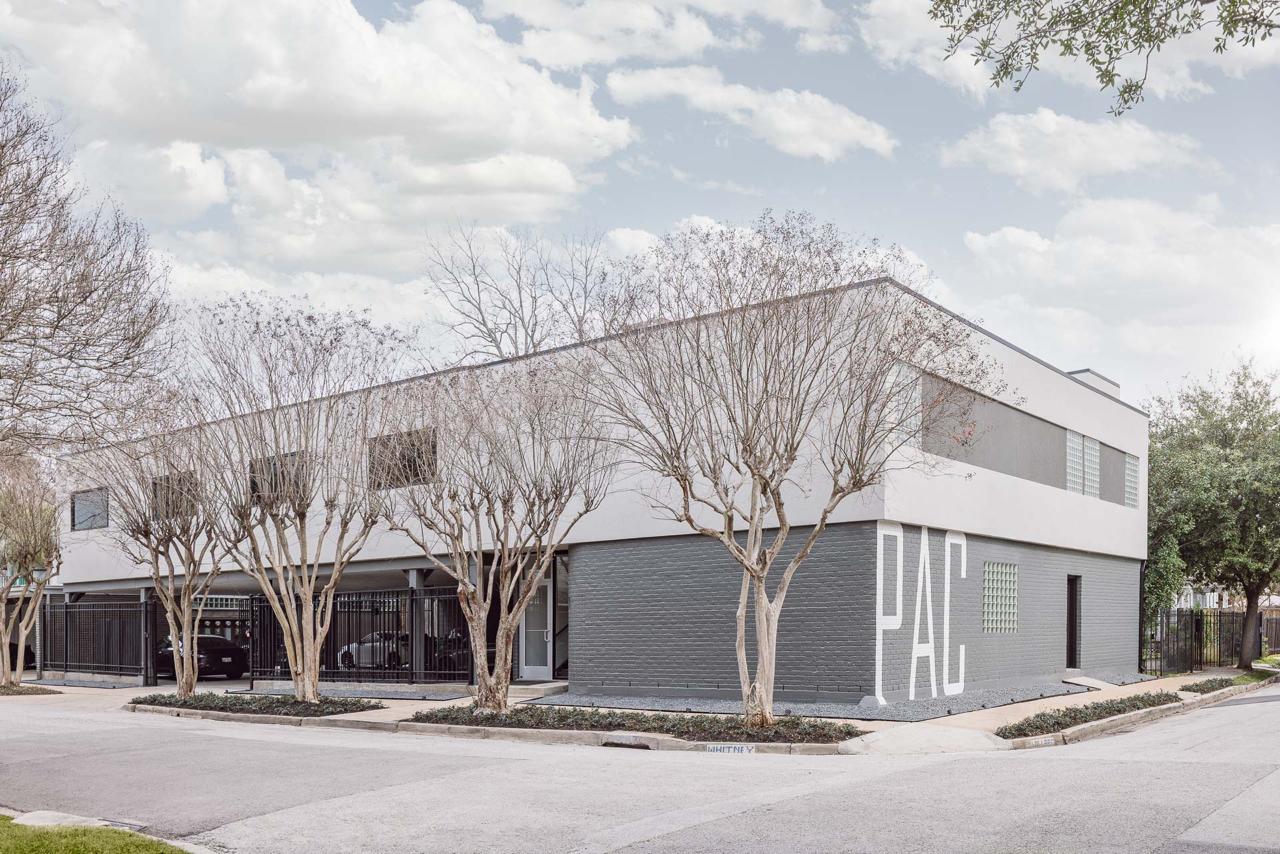
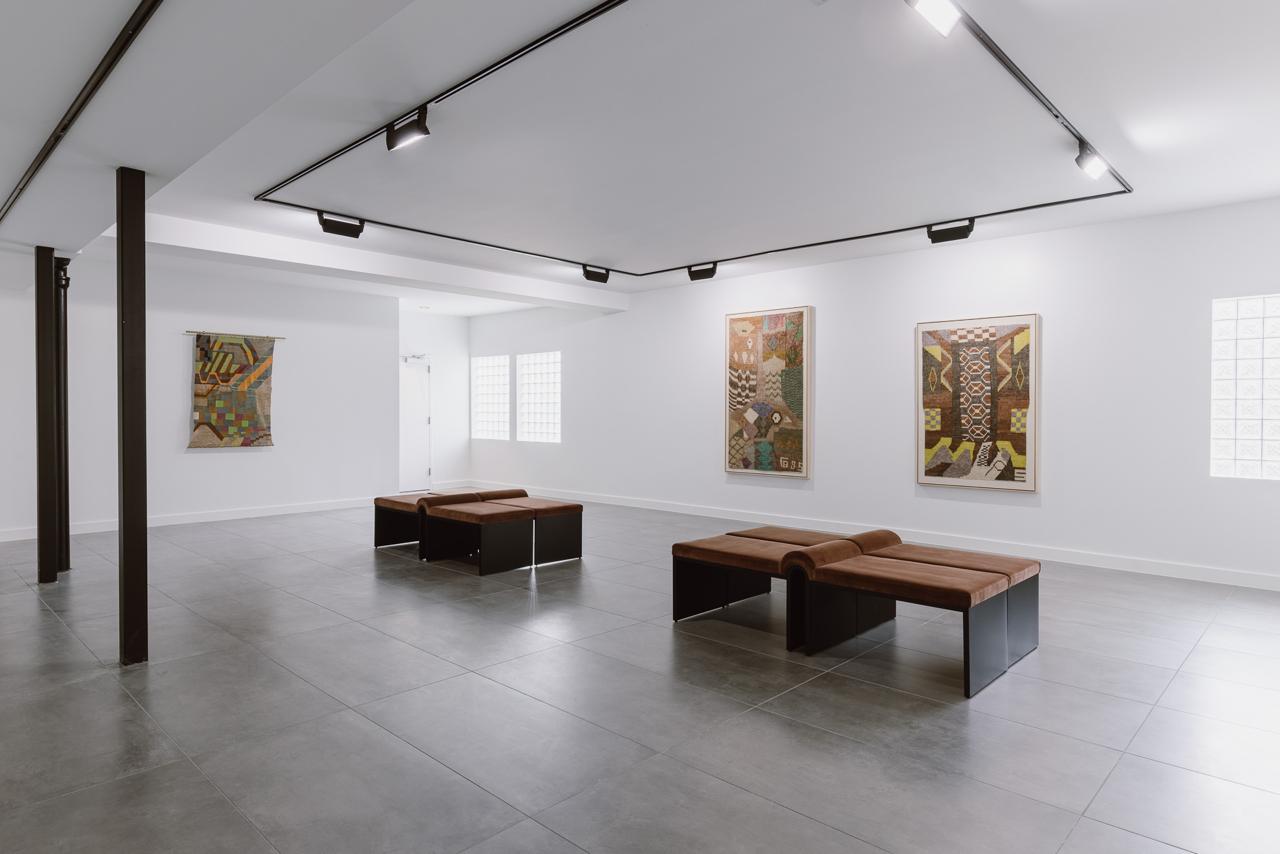
Paola Creixell began collecting out of a deeply personal desire to live with art. Over time, that impulse grew into a practice that extends beyond collecting into a more complex terrain, building infrastructure for artistic production. Today, that trajectory takes shape in PAC Art, a space in Houston focused on artist residencies.
In this conversation with Verónica Guerrero, Paola Creixell traces that transition from personal taste to community building, and reflects on residencies as spaces of intimacy, risk, and possibility.
Verónica Guerrero [VG]: I’d like to begin with that turning point. You move from a personal form of collecting to building an institution. Whrn does collecting stop being enough, and when when does the need to engage more directly in production emerge?
Paola Creixell [PC]: I began acquiring artworks fourteen years ago from a completely personal place, without any structure—simply with the intention of living with art. But as I became more involved with museums, fairs, and travel, a question emerged: how can I do something that truly benefits artists?
The turning point came after the pandemic, when I visited a residency in Oaxaca. I was struck by what it generated within its community. That’s when I understood it wasn’t enough to open my home or share my collection. There was a need to do something more, to intervene in a different way.
So I began with something very intuitive. I had a warehouse in an industrial area of Houston and decided to open it up as a space, without grand ambitions. I built it almost from scratch,with guidance from afar and a great deal of nerves.
[VG]: Collecting often operates from a place of personal preference, while founding an institution entails responsibilities. In that transition, there is also a shift in power—from deciding what is acquired to deciding what is produced and what is made visible. How do you position yourself in relation to that responsibility?
[PC]: It’s an enormous responsibility. I think the only way to sustain it is to not lose sight of the fact that this is not about me. Everything at PAC is conceived for artists. That’s the one thing that doesn’t change. Of course, it involves making decisions: who you invite, what kinds of dialogues you foster, what kind of community you build.
What I try to do is ensure those decisions don’t come from ego or the art market, but from a place of genuine listening. It means asking myself: who needs this space? Where can I have an impact?
[VG]: But even from that position, there’s still a contradiction: the gesture of “giving space” also implies mediation and selection. How do you navigate that?
[PC]: Completely. There’s no way to escape that.
In the end, you’re always choosing. But I try to ensure that those choices are not exclusionary, but instead foster community.
Something that happened in the initial space, a warehouse in an industrial area, is that it became a meeting point. It brought together people from different circuits that rarely intersect in Houston.
[VG]: Could you tell me more about the city? Houston is shaped by very specific dynamics—energy capital, migration, urban expansion, inequality. How does PAC position itself within that context?
[PC]: Houston is an extremely diverse city, but also a highly fragmented one. Although I didn’t initially think of it this way, the space began to function as a point of convergence. PAC became a meeting point, a space where different worlds coexist but don’t usually intersect: institutions, artists, communities. Everyone is welcome, and now I see it more clearly. The city itself was asking for a project like this.
[VG]: And in that sense, what drew you to the artist residency format?
[PC]: We live in a constant saturation of images, and everything moves incredibly fast. In that context, residencies allow for greater depth. It’s not just about the finished work, but the process: seeing the artist work, make mistakes, experiment. That creates a much more intimate connection. The artist is not in exhibition mode, they’re not thinking about selling, but working from a more introspective, more honest place.
[VG]: What excites you about that format?
[PC]: What excites me most is the community that emerges.
At PAC, a very diverse community has taken shape, not only people from the art world, but also people who come in without any prior knowledge. They ask questions, they come closer, they get involved. That’s incredibly valuable, because it breaks with the idea that art is inaccessible. There’s also a strong exchange. The artist is nourished by the public, and the public by the artist. Within a gallery or an art fair, there are very clear codes: who enters, who asks, who buys. In a residency, that structure is disrupted. It becomes a living relationship.
[VG]: Thinking about your role as a founder, you’re operating from a private position with public implications. How do you understand that position?
[PC]: It’s a complex one.
For me, private initiative allows you to be more agile, to make decisions without going through bureaucratic structures. But it also entails a great deal of responsibility, using those resources consciously. What interests me most is ensuring that funding is not merely transactional. It’s not just about giving money, but about accompanying processes, opening up spaces, and creating conditions. The challenge is knowing who to support and how to generate real impact.
Bureaucracy can become a huge obstacle. I’ve seen processes where even minimal support requires committees, paperwork, and extremely long timelines. In the meantime, the artist needs it now. I try to keep things as direct as possible. But I also know that as the project grows, there will be moments when I’ll have to negotiate with those structures. The question is how to do that without losing its essence.
[VG]: From that perspective, what would you say the art ecosystem needs today?
[PC]: It needs trust—trust in artists, in their processes, in the idea that not everything has to immediately translate into results or into the art market. It also needs less friction in accessing resources. More listening, less control.
[VG]: And what would you say to someone who has the capacity to support art but doesn’t know where to start?
[PC]: To understand that their role can be much deeper than it might seem. A single gesture can change an artist’s trajectory, and that impact extends far beyond the individual.
[VG]: For someone interested in supporting artists, what are the advantages of supporting residencies?
[PC]: They don’t just produce artworks, but processes. Residencies generate community, relationships, and growth. They allow for experimentation without the immediate pressure of results, and today, that is almost a luxury.
[VG]: Finally, Paola, tell us more about the upcoming program at the newly inaugurated PAC Art space.
[PC]: The next event is the opening of Mel Chin: Living Score on April 2. That same day, we will also host Open Studios with Roslyn M. Dupré and Devin T. Mays, alongside the exhibition curated by Jennifer Teets.
That evening is an opportunity to experience everything happening in the space. It offers a chance to see the processes of the artists in residence, while also presenting this selection of works on paper by Mel Chin, spanning more than five decades of his practice.
The following day, we will host a public conversation between Mel Chin and Michelle White. This feels important to me because it deepens the dialogue and allows the work to be understood from another perspective.