Instituto de Visión, Bogotá, Colombia April 16, 2016 - May 27, 2016
Curated by Beatriz López
The Lyubov Orlova cruise, built in Yugoslavia in 1976, has spent several years wandering the oceans with a crew of hundreds of rats that have been eating each other in order to survive. This image of cannibal rats forming a colony evokes science fiction stories in which isolated communities generate societies indifferent to civilization, or at least, to the laws that normalize civilization. This anarchic state can be understood in the Judeo-Christian imaginary as the idea of hell: the principles governing these communities have their own natural order, hard to decipher for the minds tortured by years of indoctrination.
Another way to interpret the terrifying story of the dammed ship is to imagine a society in which some of the rats are not cannibals and they try to resist as much as possible the violent domination of their peers.
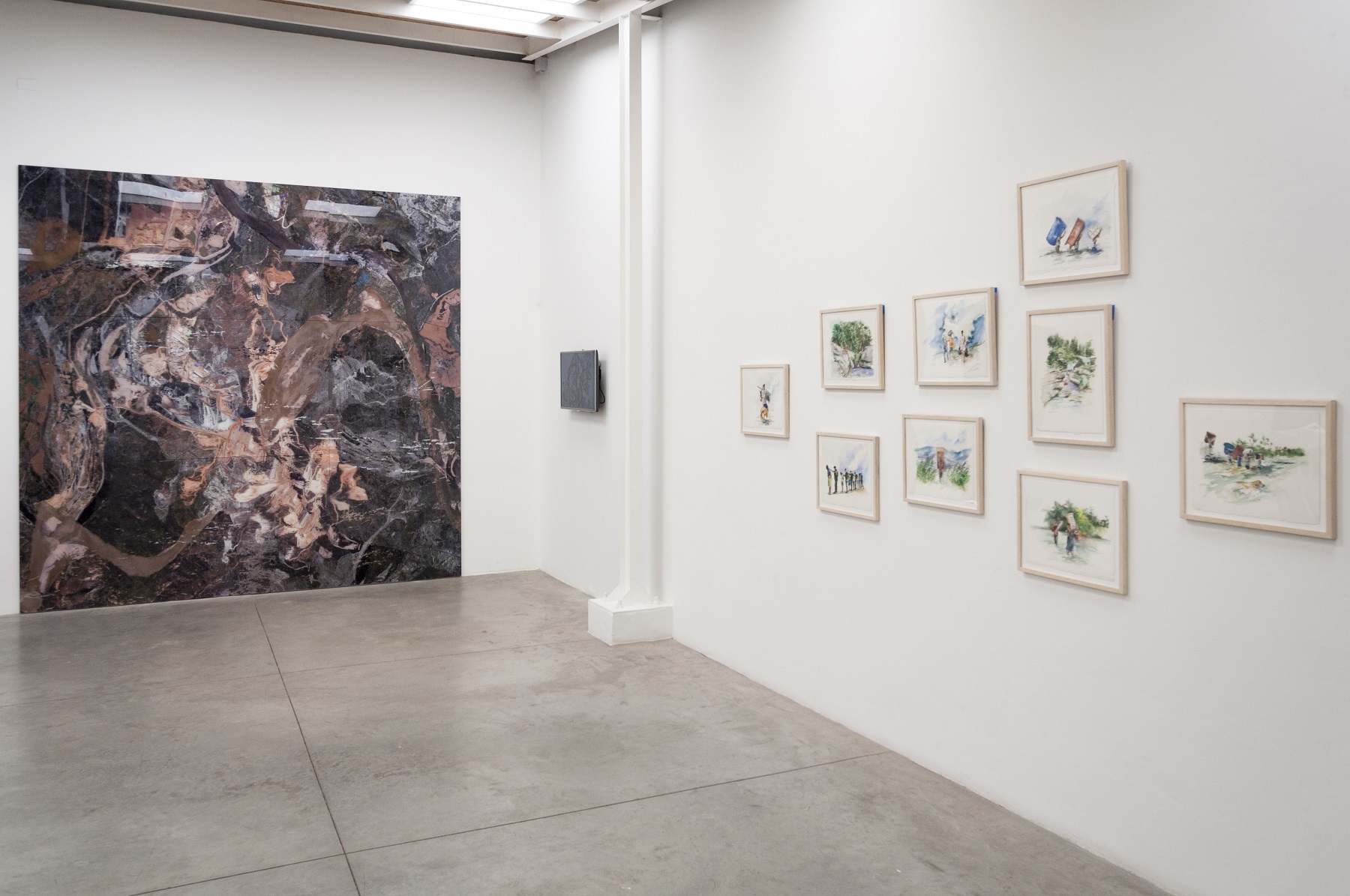
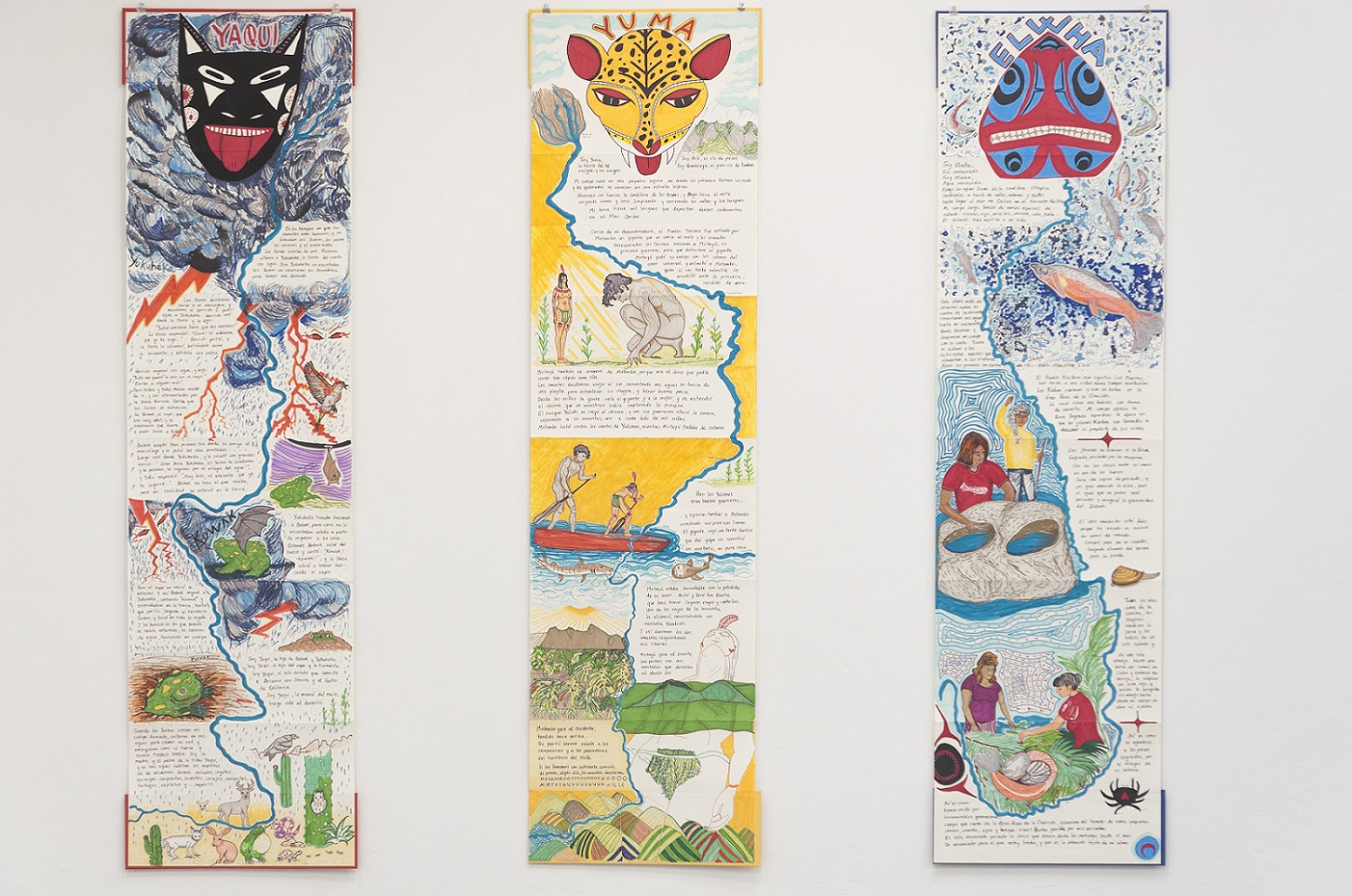
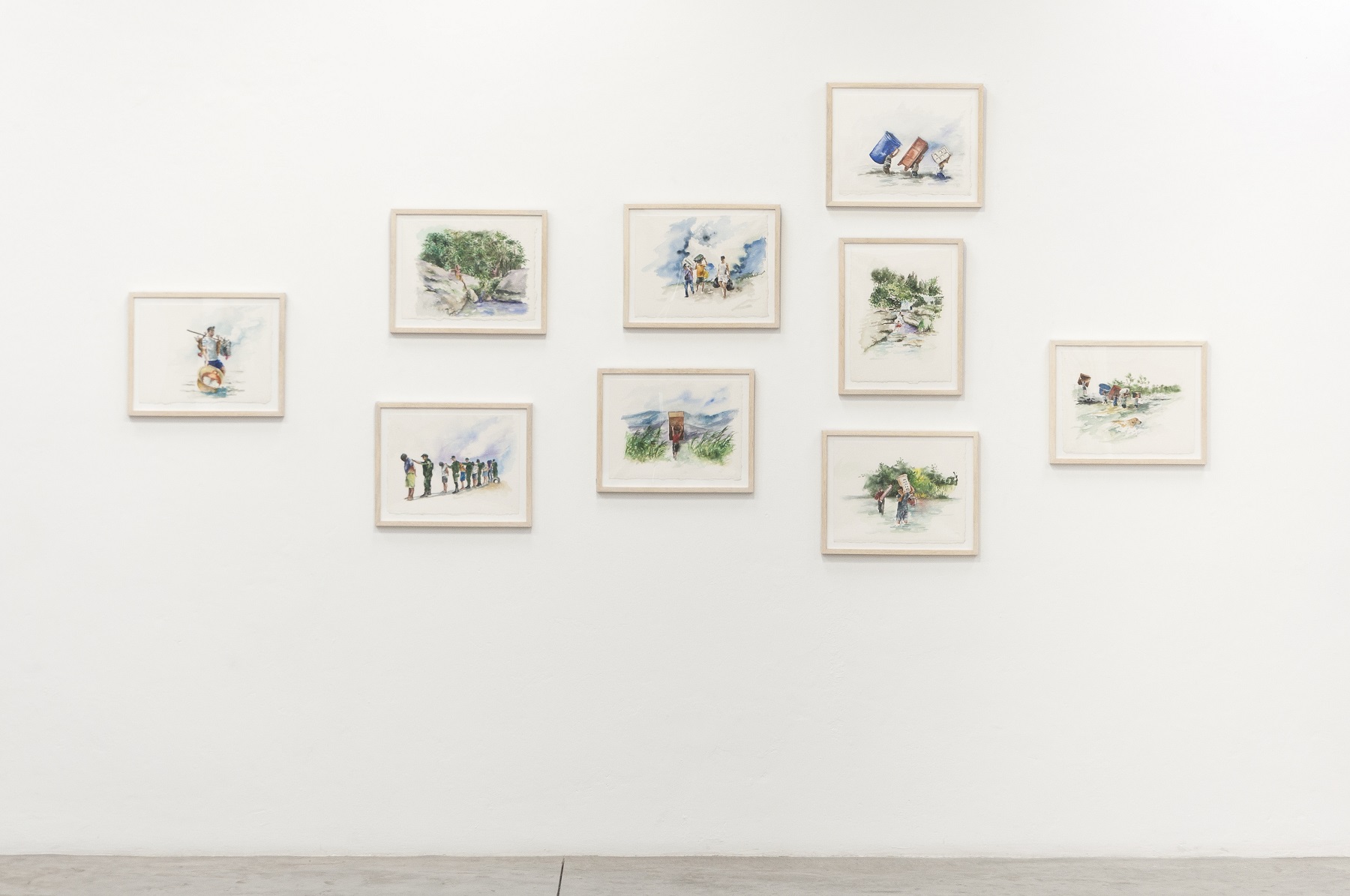
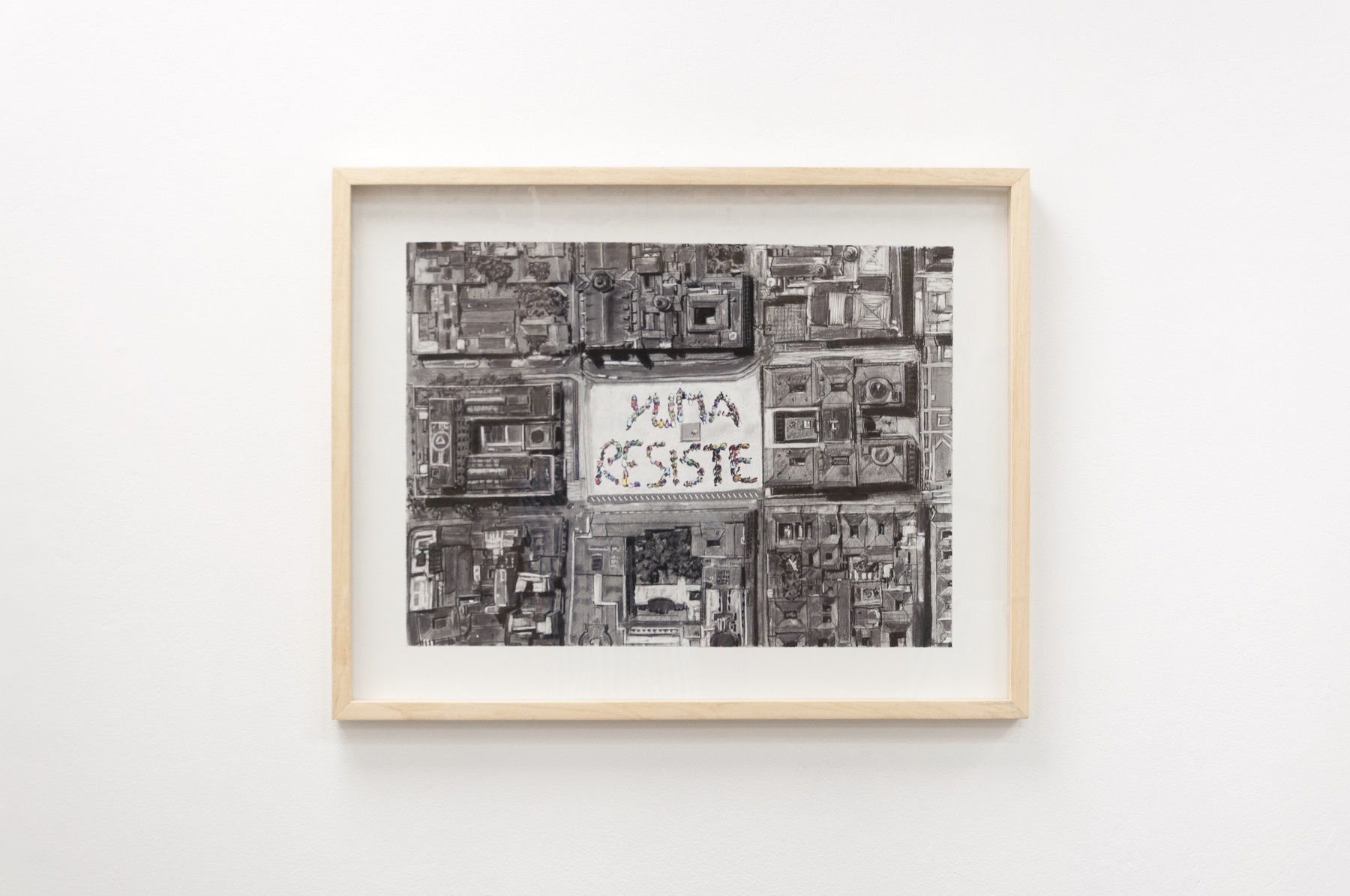
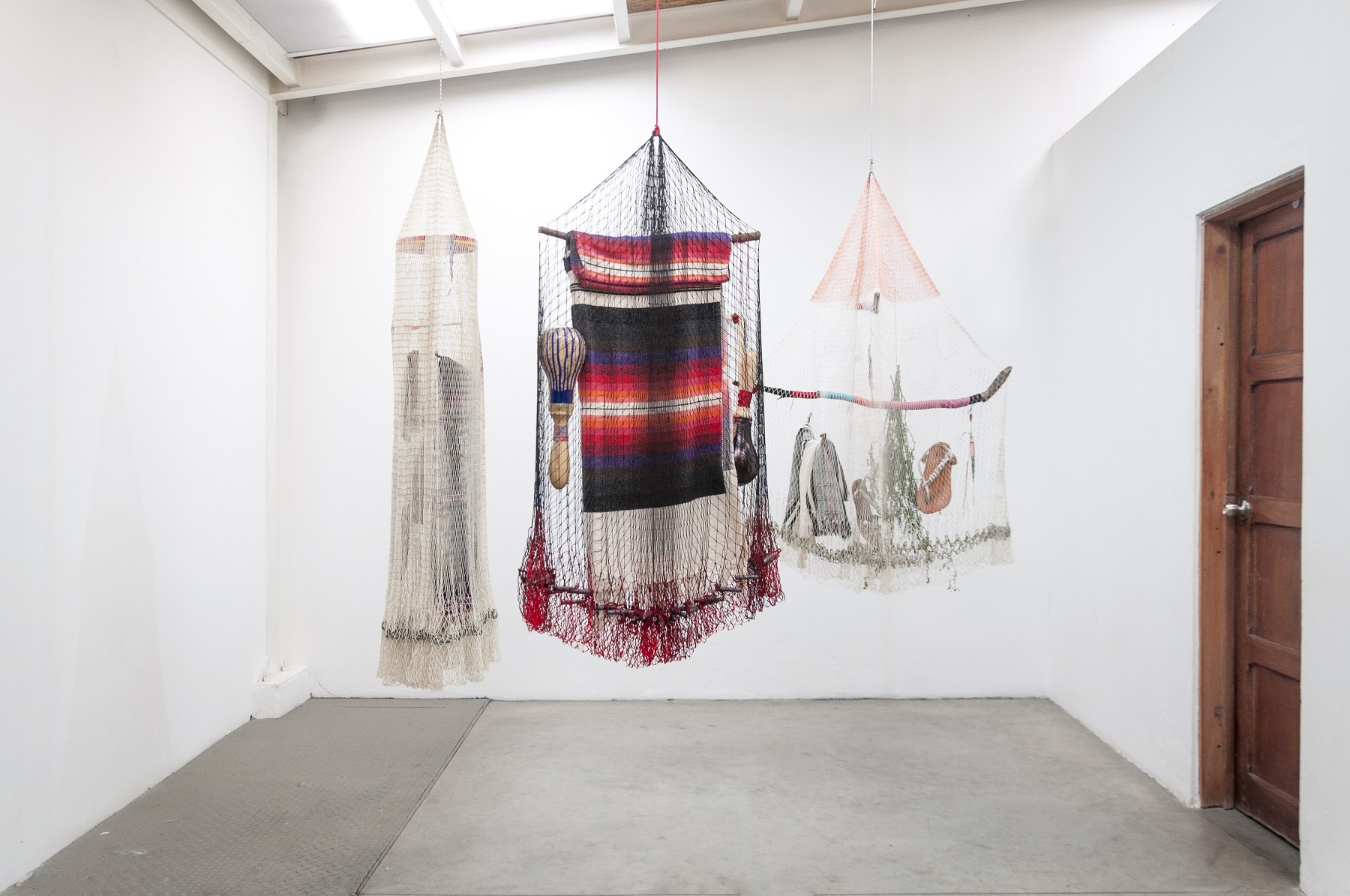
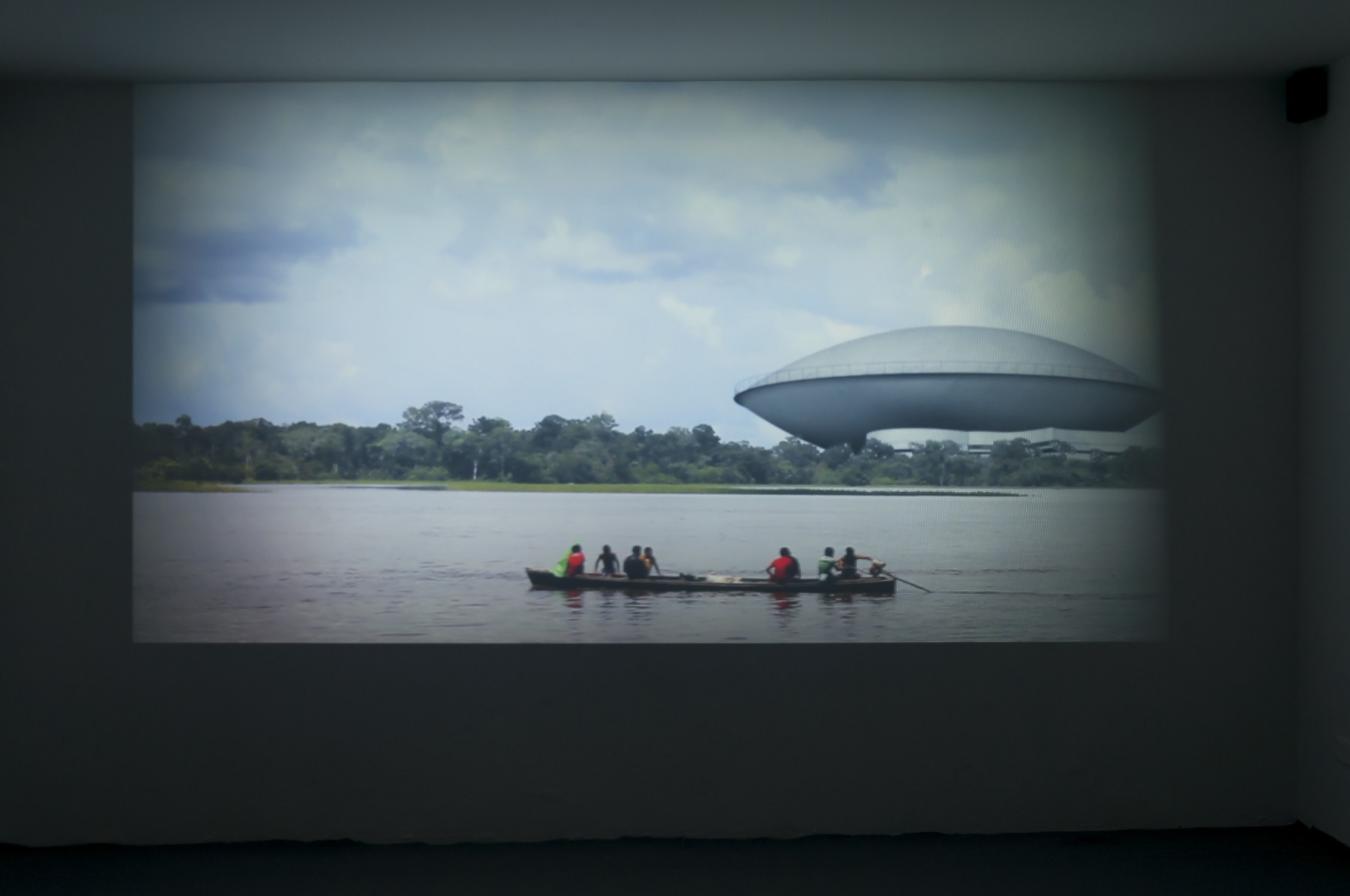
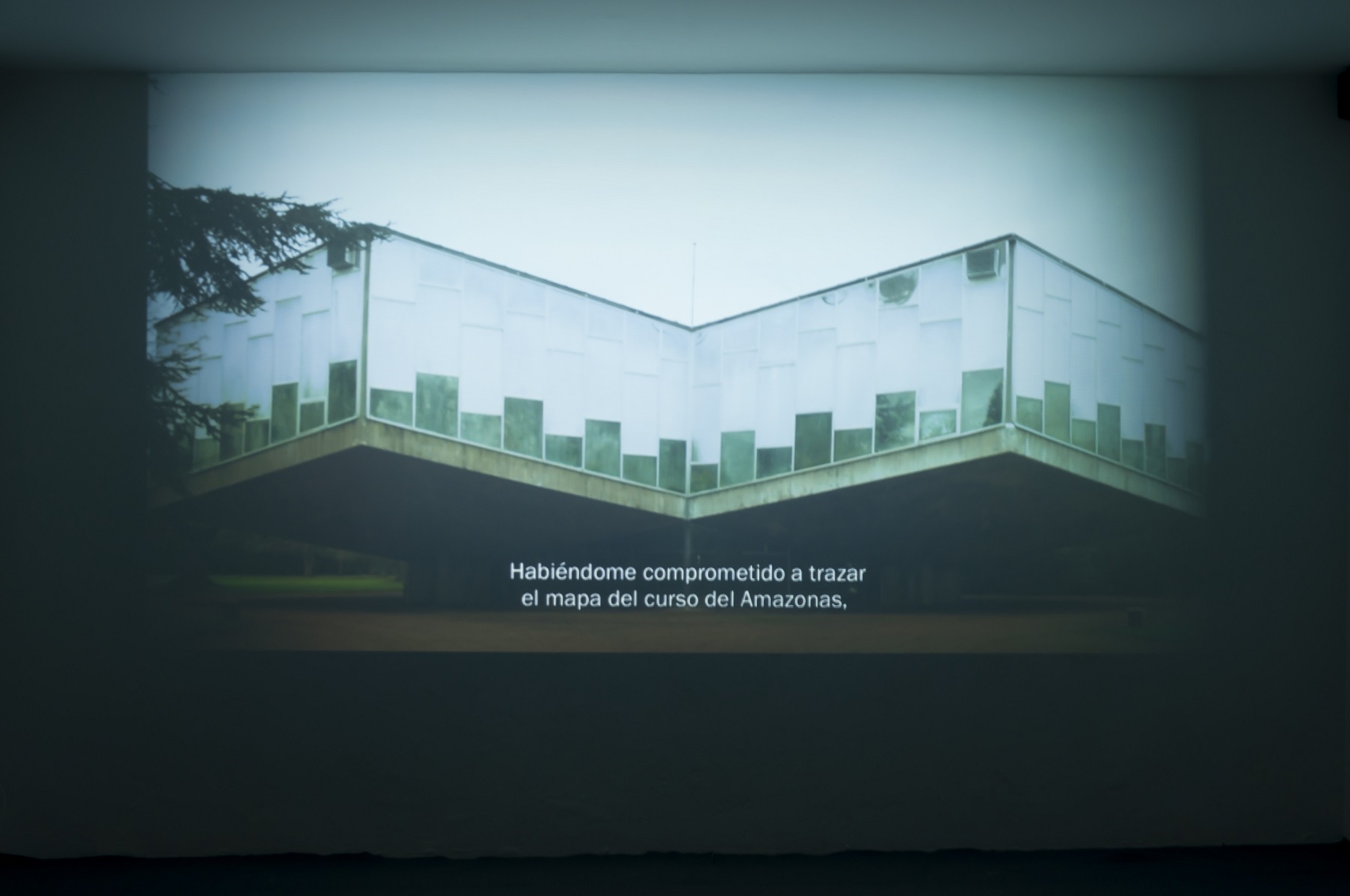
Among Cannibals presents works by Carolina Caycedo, Noemi Perez, Laura Huertas and María Buenaventura, who share an interest in examining the tools, consequences and catastrophes of colonization processes on human communities, nature and food.
María Buenaventura
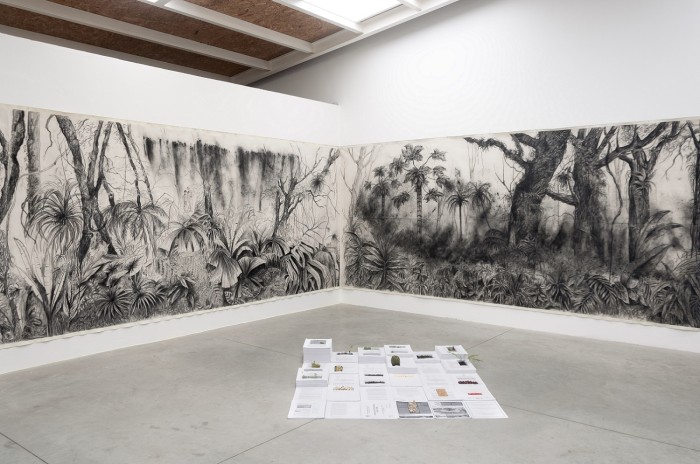
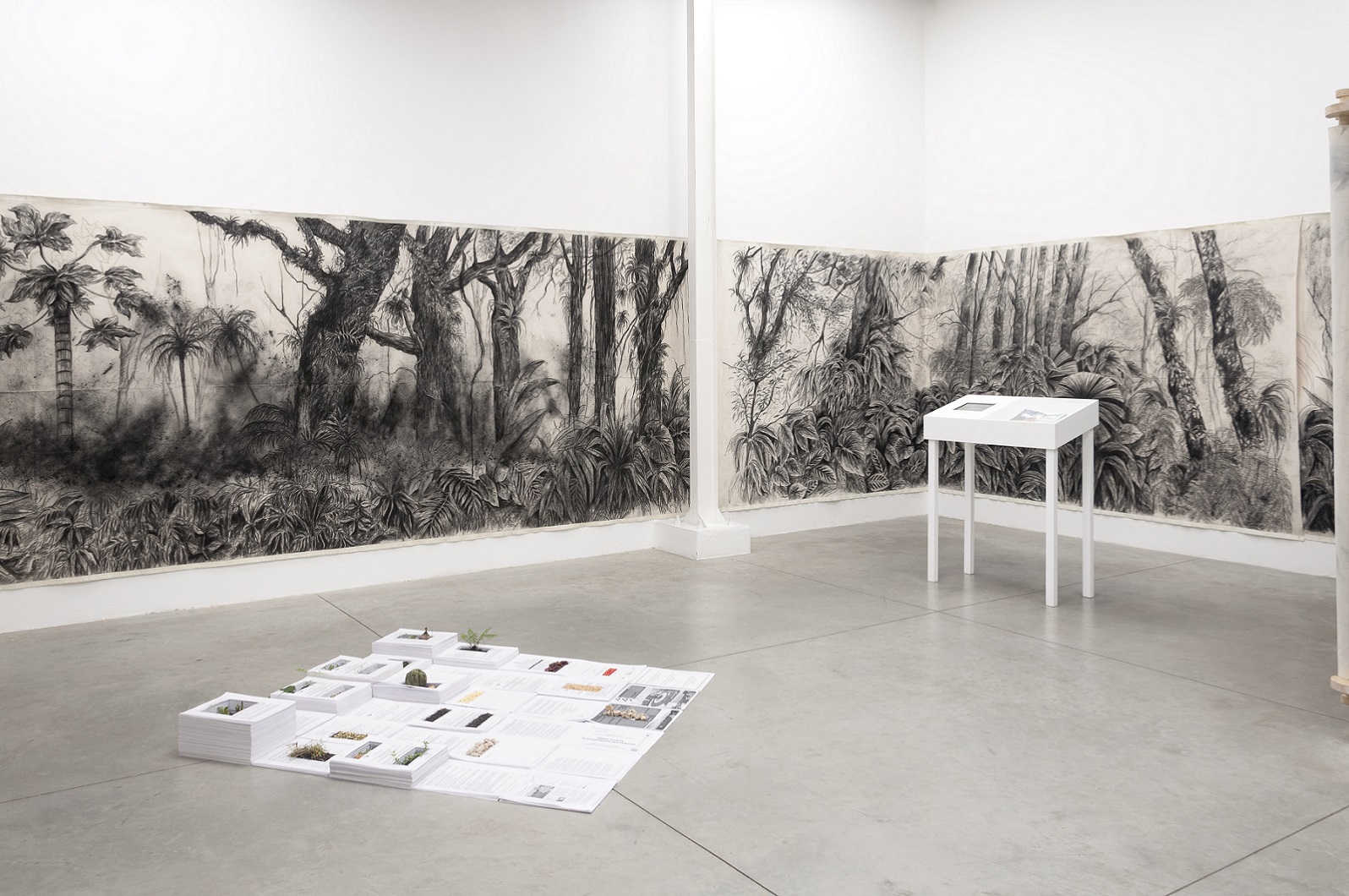
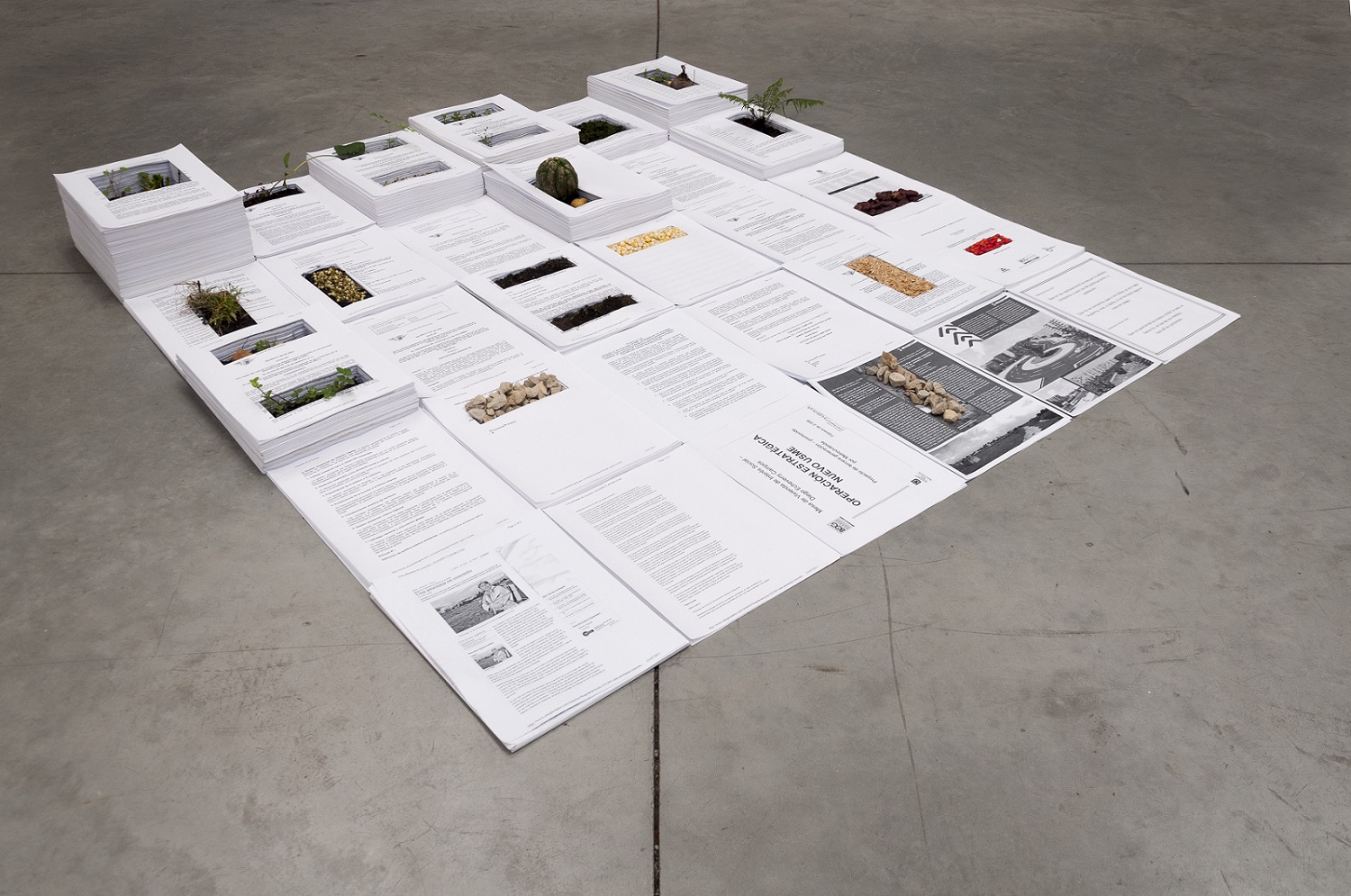
The Territory is not for sale is a work in which, among other things, the paper loses its social role, its message, to become matter. The stacks of paper are not without text; they indeed contain the decrees of expropriation of peasants’ lands in Usme, a rural part of Bogotá, which is on the verge of becoming urban. The farmers will have to sell their lots. The State will buy and a private company will make the business.
The officially assigned prices are ridiculous: two dollars per square meter of land. The farmers do not want to sell because they want to keep their way of living and even if some would want to become urban citizen they will not able to with the price offered for their land.
The transformation of land from rural to urban lays in those papers stacked in the piece. Thus these, as well as revealing their weight by being matter, also reveal the particular weight of ideas: of laws that without knowing anything about land end up destroying it…
The territory is not for sale stands up over those struggles: the plants grows over the the stacks of paper, the farmers stand against the decrees to say that the territory where that plant grows is not for sale.
Carolina Caycedo
Curated by Beatriz López
The Lyubov Orlova cruise, built in Yugoslavia in 1976, has spent several years wandering the oceans with a crew of hundreds of rats that have been eating each other in order to survive. This image of cannibal rats forming a colony evokes science fiction stories in which isolated communities generate societies indifferent to civilization, or at least, to the laws that normalize civilization. This anarchic state can be understood in the Judeo-Christian imaginary as the idea of hell: the principles governing these communities have their own natural order, hard to decipher for the minds tortured by years of indoctrination.
Another way to interpret the terrifying story of the dammed ship is to imagine a society in which some of the rats are not cannibals and they try to resist as much as possible the violent domination of their peers.
Among Cannibals presents works by Carolina Caycedo, Noemi Perez, Laura Huertas and María Buenaventura, who share an interest in examining the tools, consequences and catastrophes of colonization processes on human communities, nature and food.
María Buenaventura
The Territory is not for sale is a work in which, among other things, the paper loses its social role, its message, to become matter. The stacks of paper are not without text; they indeed contain the decrees of expropriation of peasants’ lands in Usme, a rural part of Bogotá, which is on the verge of becoming urban. The farmers will have to sell their lots. The State will buy and a private company will make the business.
The officially assigned prices are ridiculous: two dollars per square meter of land. The farmers do not want to sell because they want to keep their way of living and even if some would want to become urban citizen they will not able to with the price offered for their land.
The transformation of land from rural to urban lays in those papers stacked in the piece. Thus these, as well as revealing their weight by being matter, also reveal the particular weight of ideas: of laws that without knowing anything about land end up destroying it…
The territory is not for sale stands up over those struggles: the plants grows over the the stacks of paper, the farmers stand against the decrees to say that the territory where that plant grows is not for sale.
Carolina Caycedo