
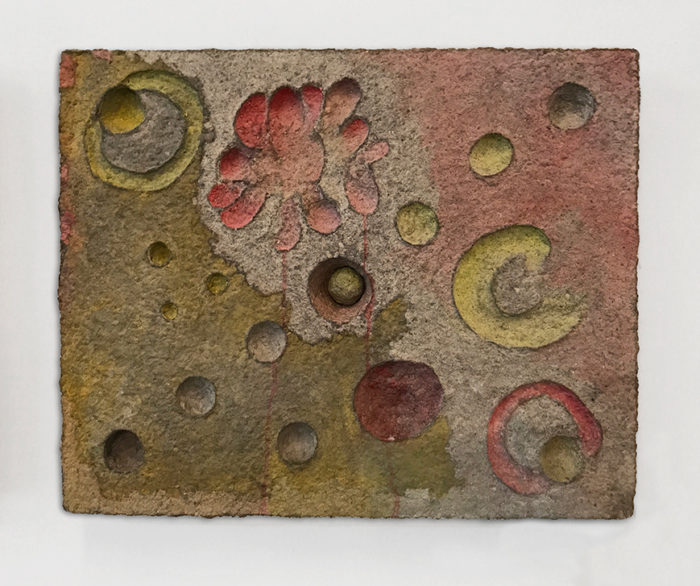
Hauser & Wirth, Los Angeles, California, USA September 14, 2017 - October 18, 2017
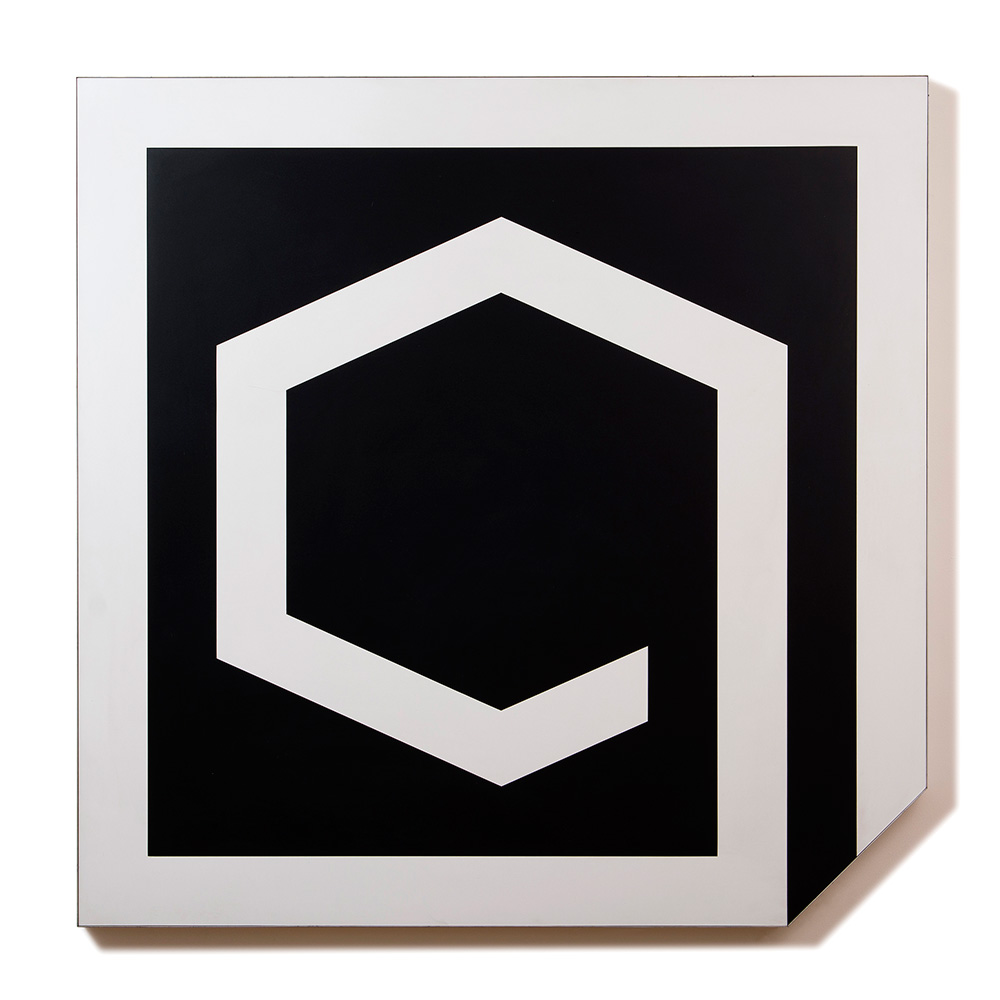
The exhibition begins with a series of geometric abstractions rendered in Formica by de Barros, along with silver gelatin photographs from both the beginning and end of his career. In their use of Formica, a plastic laminate that became particularly popular and even ubiquitous in Brazilian homes, offices, and stores during the postwar era, de Barros’s paintings promulgate the notion of future society characterized by social equality. De Barros was a founding member of the progressive furniture production co-op UNILABOR, and his interest in everyday materials reflected his personal political vision. Similarly, his photographs of street scenes, mass-produced furniture, and anonymous inscriptions link the formalist explorations in photography championed by such Europeans as Brassai and Man Ray, to quotidian Brazilian life.


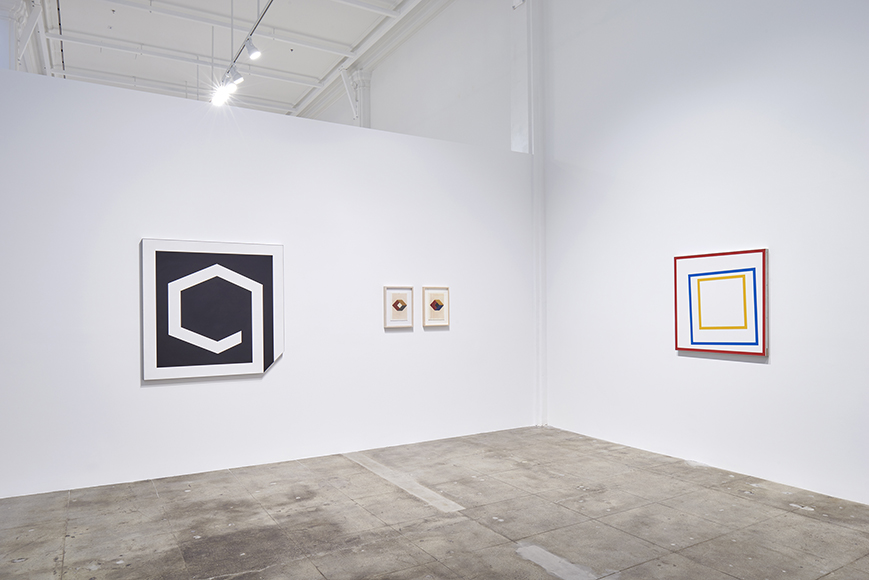
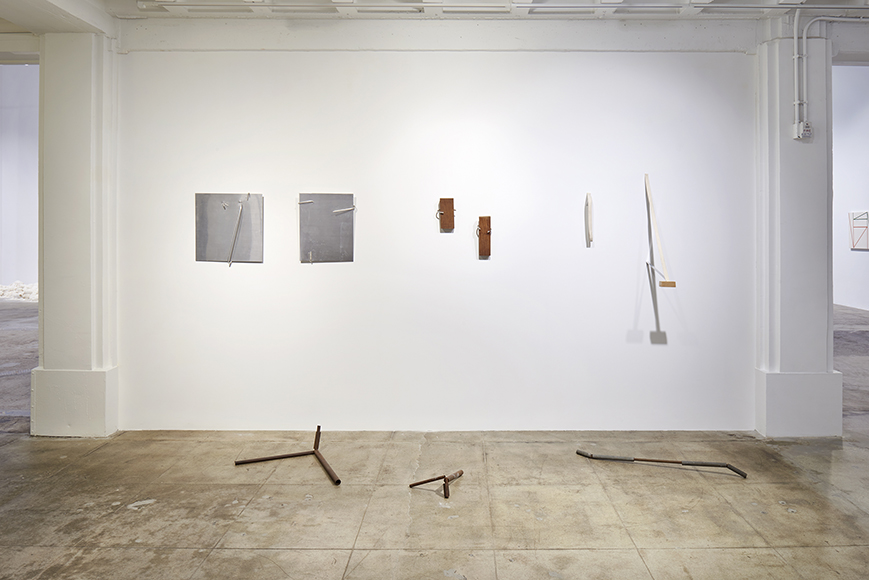
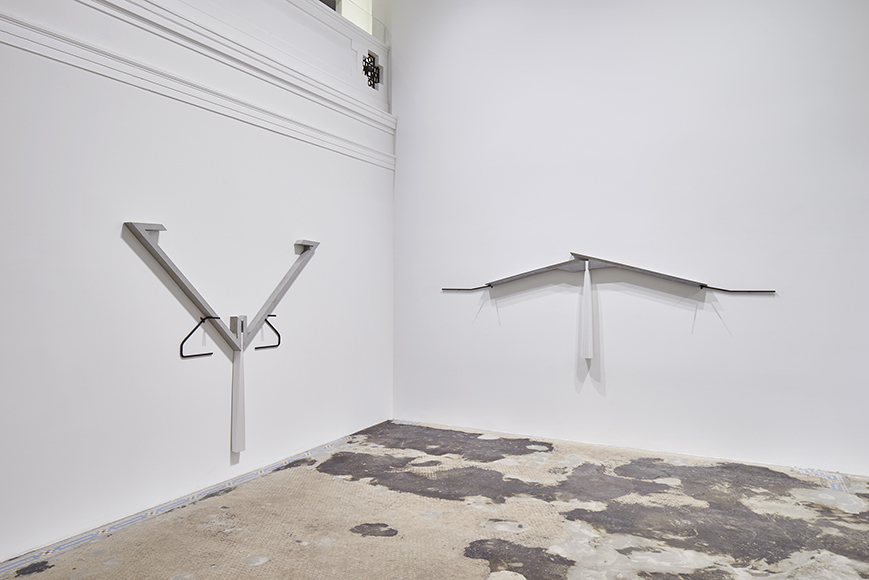

The exhibition begins with a series of geometric abstractions rendered in Formica by de Barros, along with silver gelatin photographs from both the beginning and end of his career. In their use of Formica, a plastic laminate that became particularly popular and even ubiquitous in Brazilian homes, offices, and stores during the postwar era, de Barros’s paintings promulgate the notion of future society characterized by social equality. De Barros was a founding member of the progressive furniture production co-op UNILABOR, and his interest in everyday materials reflected his personal political vision. Similarly, his photographs of street scenes, mass-produced furniture, and anonymous inscriptions link the formalist explorations in photography championed by such Europeans as Brassai and Man Ray, to quotidian Brazilian life.