Houston is redefining the map of Latin American art. With new institutions, key collectors, and an international fair like Untitled Art Fair investing in the region, the city is positioning itself as a cultural epicenter. Verónica Guerrero analyzes how it reached this point and what implications it has for the artistic ecosystems of Latin America.
In a strategic geographical position between the south and the north, with the seaport connecting the city and the medical and oil industries injecting capital, Houston became, at the beginning of the new millennium, a key city for understanding the interest in Latin American art, accompanied by the systematization of studies on it in the United States.
As background, the city of Austin, Texas, had appointed Mari Carmen Ramirez as the first curator of Latin American art in the entire country—and, possibly, the continent—positioning Texas during the 1990s as the driving force behind what would become not only an extensive field of study, but also a vast market.
Currently, with a population where almost 45% identify as Latino or Hispanic, Houston is strengthening collections, building institutions —such as the planned new The Latino Museum of Cultural and Visual Arts & Archive Complex, scheduled for 2030— and allocating enormous resources to Latin American art.
Important art patrons based in the city, such as the Mexican Paola Creixell, are responsible for strengthening and promoting all kinds of local and international artists. Creixell says that she started collecting art, supporting each artist individually by acquiring their works. Over the years, this led to the creation of an institution like PAC Art, which is dedicated to "providing support to artists through studio spaces, resources and curatorial guidance, thus promoting their professional and creative development" and which will soon inaugurate its new building.
Last September, a new edition of the Untitled Art Fair in Houston was inaugurated, whose program included a discussion panel entitled “Cultural Bridges: The Houston-Latin America Exchange Through Contemporary Art”, conducted in Spanish, and which invited its audiences to learn about the historical connections between both territories.
In addition to the aforementioned Paola Creixell and Mari Carmen Ramirez, the panel featured the voice of Argentine gallerist Maria Ines Sicardi, a pioneer in marketing Latin American voices in the city of Houston. Sicardi publicly highlights the fundamental role that art fairs play in the circulation and legitimization of Latin American artists internationally, since "they are spaces where encounters between galleries, collectors, patrons and museum curators take place."
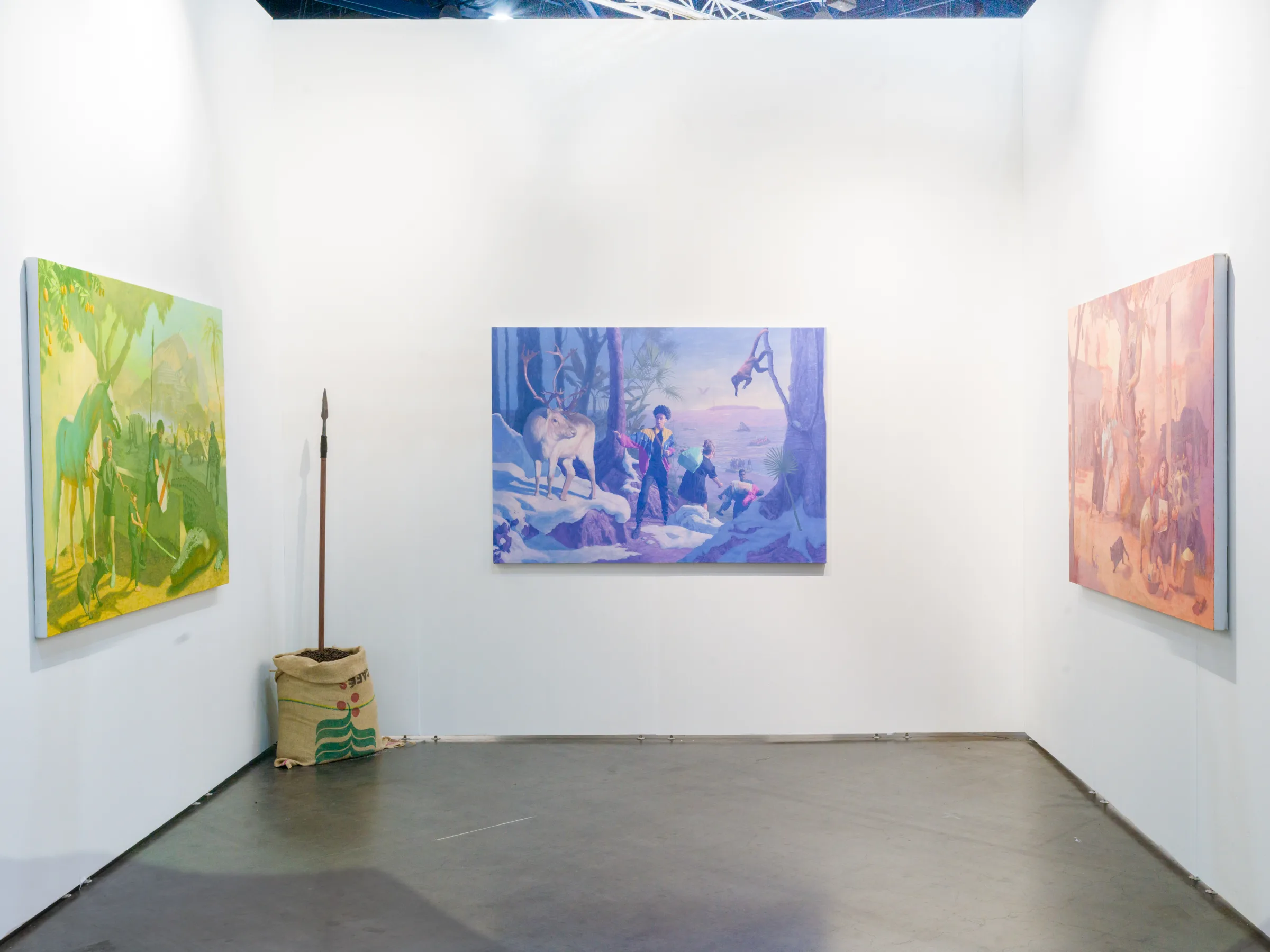
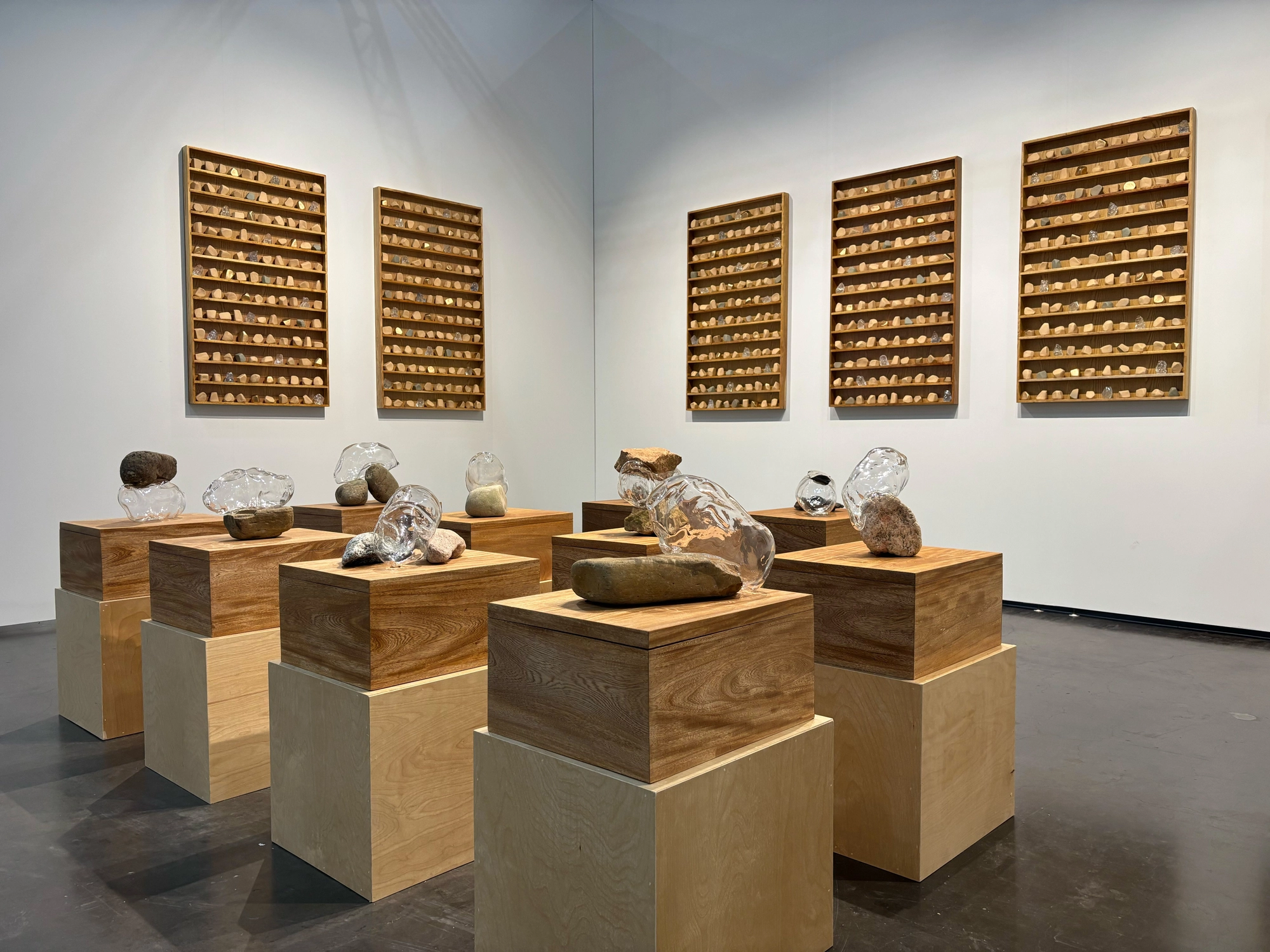
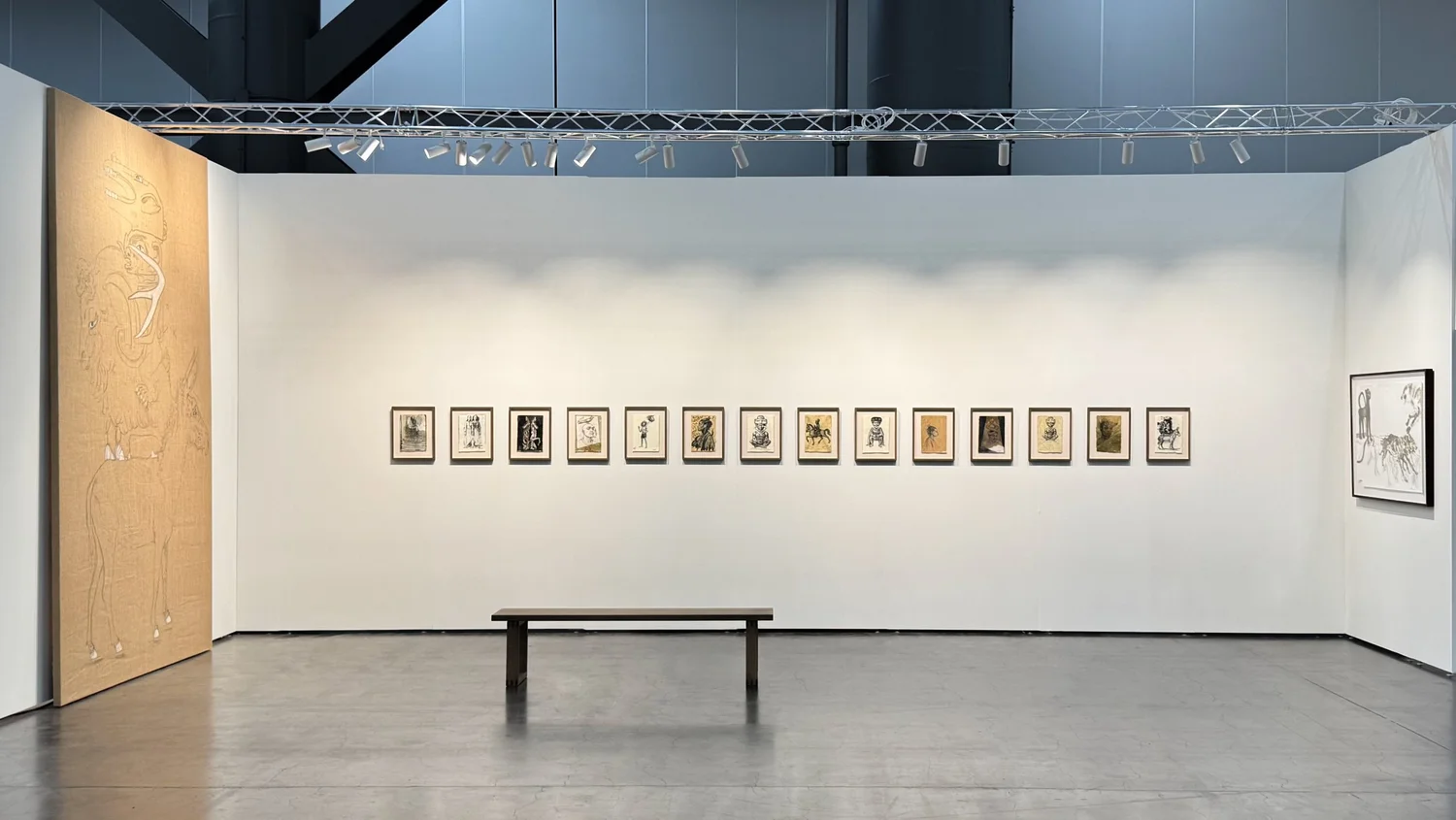
Among the Latin American presence at this first edition of Untitled Houston, several Latin American galleries participated, opting for booths dedicated solely to amplifying the practice of artists from their own countries. The standouts were the exhibition by Maria Roldan (Colombia), presented by Galeria SGR, and that of Costa Rican artist Nadya M. Aguilar, represented by the CERCA gallery, based in San Jose.
Also noteworthy is the strong presence of galleries operating between Latin America and the United States, such as Colector Gallery, with spaces in Dallas and Monterrey, or El Apartamento, with locations in Havana, Madrid and Miami. Likewise, several Latin American artists participated through US galleries. Among them, the presentation of Venezuelan Diego de la Rosa by Povos, a young gallery with operations in Chicago, stood out; as well as the acclaimed presence of Teresa Serrano (Mexico) by the Barbara Davis gallery, to whom the fair awarded the residency prize along with PAC Art.
The efforts made by the fair, as well as collectors, galleries and institutions, to maintain the presence of Latin American art in this enclave are evident. What began in 2001 as an ambitious project —with the creation of the first curator position for Latin American art and the formation of a specific department, the International Center for the Arts of the Americas (ICCA), within an institution like the Museum of Fine Arts Houston (MFAH)— seems to be consolidating today in a city that celebrates the opening of the new venue for one of the most influential art fairs in the world.
Houston seems to have succeeded in creating an ecosystem worthy of replication: a collector base willing to invest, galleries willing to represent, and a strong institution willing to research, educate, exhibit, and make visible.
Asking ourselves how this phenomenon in Latin American art is possible in a city in the United States, in the face of the blatant impoverishment and dismantling of the artistic ecosystem in the rest of Latin American countries, leads us to question whether this model is truly replicable given the material conditions of artists, curators, academics and other cultural workers in this region. At the same time, it invites reflection on the limited administrative and governmental capacities of these countries, where the lack of strong institutions and the scarce philanthropic culture become particularly visible.
During the first decade of the ICCA's existence, the museum invested more than twelve million dollars in the project. Today, the collection comprises more than a thousand works, acquired thanks to the annual contributions that a support group —comprised of between eighty and one hundred members— makes to the museum with the purpose of strengthening the department's acquisition funds. Conditions like these are unthinkable for most, if not all, countries in the region.
This means that the best archives and the most complete collection for the study of Latin American art are not found in Latin America. An example of this was Gego: Measuring Infinity, the last major retrospective of the Venezuelan artist Gego, curated by Pablo Leon de la Barra and presented in 2023 at the Guggenheim Museum, in which almost all of the works came from loans from the MFAH. Examples like these make us wonder about the possibility of sustaining practices that do not depend on the legitimacy of geographical distance, but on the cultural and political strength of the territory itself.
The case of the city of Houston demonstrates that the creation of an ecosystem of sustained collaboration between collectors, curators, artists and institutions can radically transform the resonance of Latin American art. However, rather than aspiring to replicate their conditions, perhaps the challenge for the countries of the region is to imagine their own forms of support and sustainability that respond to their specific contexts. At the same time, it is necessary to point out and question what the art ecosystems of the global north are doing not only to treasure the narratives of the south, but to allow their own local contexts to thrive.
In a strategic geographical position between the south and the north, with the seaport connecting the city and the medical and oil industries injecting capital, Houston became, at the beginning of the new millennium, a key city for understanding the interest in Latin American art, accompanied by the systematization of studies on it in the United States.
As background, the city of Austin, Texas, had appointed Mari Carmen Ramirez as the first curator of Latin American art in the entire country—and, possibly, the continent—positioning Texas during the 1990s as the driving force behind what would become not only an extensive field of study, but also a vast market.
Currently, with a population where almost 45% identify as Latino or Hispanic, Houston is strengthening collections, building institutions —such as the planned new The Latino Museum of Cultural and Visual Arts & Archive Complex, scheduled for 2030— and allocating enormous resources to Latin American art.
Important art patrons based in the city, such as the Mexican Paola Creixell, are responsible for strengthening and promoting all kinds of local and international artists. Creixell says that she started collecting art, supporting each artist individually by acquiring their works. Over the years, this led to the creation of an institution like PAC Art, which is dedicated to "providing support to artists through studio spaces, resources and curatorial guidance, thus promoting their professional and creative development" and which will soon inaugurate its new building.
Last September, a new edition of the Untitled Art Fair in Houston was inaugurated, whose program included a discussion panel entitled “Cultural Bridges: The Houston-Latin America Exchange Through Contemporary Art”, conducted in Spanish, and which invited its audiences to learn about the historical connections between both territories.
In addition to the aforementioned Paola Creixell and Mari Carmen Ramirez, the panel featured the voice of Argentine gallerist Maria Ines Sicardi, a pioneer in marketing Latin American voices in the city of Houston. Sicardi publicly highlights the fundamental role that art fairs play in the circulation and legitimization of Latin American artists internationally, since "they are spaces where encounters between galleries, collectors, patrons and museum curators take place."
Among the Latin American presence at this first edition of Untitled Houston, several Latin American galleries participated, opting for booths dedicated solely to amplifying the practice of artists from their own countries. The standouts were the exhibition by Maria Roldan (Colombia), presented by Galeria SGR, and that of Costa Rican artist Nadya M. Aguilar, represented by the CERCA gallery, based in San Jose.
Also noteworthy is the strong presence of galleries operating between Latin America and the United States, such as Colector Gallery, with spaces in Dallas and Monterrey, or El Apartamento, with locations in Havana, Madrid and Miami. Likewise, several Latin American artists participated through US galleries. Among them, the presentation of Venezuelan Diego de la Rosa by Povos, a young gallery with operations in Chicago, stood out; as well as the acclaimed presence of Teresa Serrano (Mexico) by the Barbara Davis gallery, to whom the fair awarded the residency prize along with PAC Art.
The efforts made by the fair, as well as collectors, galleries and institutions, to maintain the presence of Latin American art in this enclave are evident. What began in 2001 as an ambitious project —with the creation of the first curator position for Latin American art and the formation of a specific department, the International Center for the Arts of the Americas (ICCA), within an institution like the Museum of Fine Arts Houston (MFAH)— seems to be consolidating today in a city that celebrates the opening of the new venue for one of the most influential art fairs in the world.
Houston seems to have succeeded in creating an ecosystem worthy of replication: a collector base willing to invest, galleries willing to represent, and a strong institution willing to research, educate, exhibit, and make visible.
Asking ourselves how this phenomenon in Latin American art is possible in a city in the United States, in the face of the blatant impoverishment and dismantling of the artistic ecosystem in the rest of Latin American countries, leads us to question whether this model is truly replicable given the material conditions of artists, curators, academics and other cultural workers in this region. At the same time, it invites reflection on the limited administrative and governmental capacities of these countries, where the lack of strong institutions and the scarce philanthropic culture become particularly visible.
During the first decade of the ICCA's existence, the museum invested more than twelve million dollars in the project. Today, the collection comprises more than a thousand works, acquired thanks to the annual contributions that a support group —comprised of between eighty and one hundred members— makes to the museum with the purpose of strengthening the department's acquisition funds. Conditions like these are unthinkable for most, if not all, countries in the region.
This means that the best archives and the most complete collection for the study of Latin American art are not found in Latin America. An example of this was Gego: Measuring Infinity, the last major retrospective of the Venezuelan artist Gego, curated by Pablo Leon de la Barra and presented in 2023 at the Guggenheim Museum, in which almost all of the works came from loans from the MFAH. Examples like these make us wonder about the possibility of sustaining practices that do not depend on the legitimacy of geographical distance, but on the cultural and political strength of the territory itself.
The case of the city of Houston demonstrates that the creation of an ecosystem of sustained collaboration between collectors, curators, artists and institutions can radically transform the resonance of Latin American art. However, rather than aspiring to replicate their conditions, perhaps the challenge for the countries of the region is to imagine their own forms of support and sustainability that respond to their specific contexts. At the same time, it is necessary to point out and question what the art ecosystems of the global north are doing not only to treasure the narratives of the south, but to allow their own local contexts to thrive.


Subscribe to our newsletter!
¡Gracias por suscribirte!









CALLE DEL ARTÍCULO 123 #116 INT. 100,
COLONIA CENTRO, CUAUHTÉMOC,
CDMX 06040, MÉXICO