Logo
What Isn’t Uprooted Will Grow Back: The Ministry of Culture’s Authoritarian Drift at the Bienal Nacional de Artes Visuales
danie valencia sepúlveda
República Dominicana
2025.11.12
Tiempo de lectura: 13 minutos

“The most recent edition of the National Biennial of Visual Arts of the Dominican Republic—meant to be a space for the recognition of thought, artistic experimentation, and freedom of expression—has instead become the center of a controversy that exposes deeper tensions between the State, cultural institutions, recalcitrant morality, and creative freedom. What began as a technical dispute over the ‘perishable’ nature of an award-winning artwork escalated into an unprecedented measure: the issuance of a police warning to artist Jorge David Pérez (Karmadavis), whose piece What Is Not Uprooted Grows Back became the object of ministerial censorship,” writes our editor-in-chief.

The most recent edition of the Bienal Nacional de Artes Visuales in Dominican Republic, which was meant to be a space for the recognition of critical thought, artistic experimentation and freedom of speech, has instead become the center of a controversy that reveals deeper tensions between the State, cultural institutionalism, stubborn morality, and creative freedom. What began as a technical dispute over the “perishable” nature of an award-winning work escalated into an unprecedented measure: the issuing of a police-like warning to the artist Jorge David Pérez (Karmadavis), whose artwork Lo que no se saca de raíz, vuelve a crecer [What Isn’t Uprooted Will Grow Back] became the target of ministerial censorship.

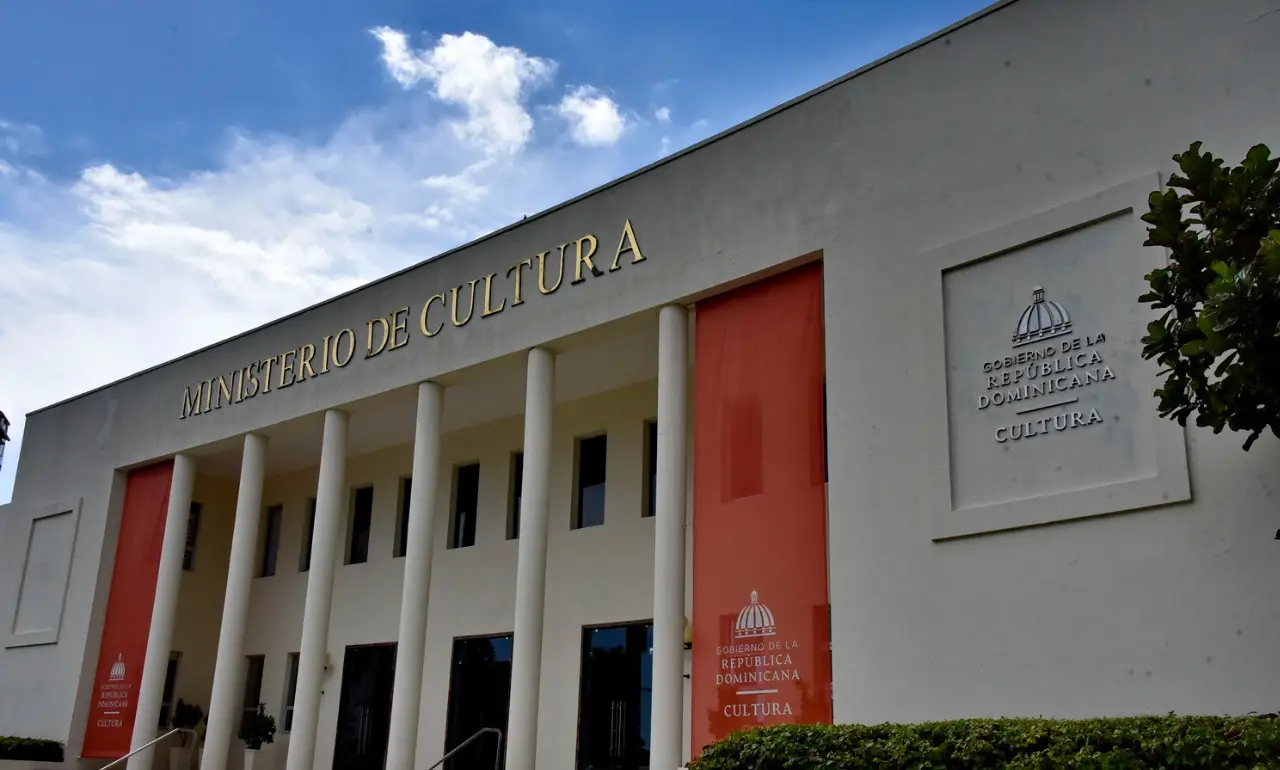
According to the statement signed by ten out of the twelve awarded artists—among them Lucía Méndez Rivas, José Levy, Noa Batlle, Soraya Abu Naba’a, Yéssica Montero, and the collective Modafoca—the Resolution 18-2025 issued by the Ministry of Culture unruled the jury´s verdict (composed of Yina Jiménez Suriel, Allison Thompson, and Orlando Isaac) and disregards the technical criteria grounded in the standards of the International Council of Museums (ICOM). The Ministry, in turn, deliberately justified its decision by appealing to a definition taken directly from the Royal Spanish Academy’s dictionary, according to which the term “perishable” refers to that which “dies or comes to an end.” This replacement of specialized conceptual frameworks by a liberalist interpretation not only delegitimizes the curatorial process but also constitutes a dangerous authoritarian drift: a State that sets itself up as an aesthetic and semantic arbiter over the art field.

In a note published in Diario Libre on October 29—written by the vice president of ICOM and director of the Museo de la Resistencia—the political implications of this gesture are clearly outlined. Far from being a “simple terminological controversy,” the ministerial intervention reveals a form of cultural control rooted in distrust toward critical thought and the autonomy of artistic institutions. Rather than acknowledging the plurality of contemporary languages—which embrace the ephemeral, the processual, and the immaterial as legitimate dimensions of artistic practice—the Ministry opted for a police-like procedure: a formal communication, written in a tone of warning, sent to an artist as if aesthetic creation could be treated under the protocols of public order.

This act of intimidation is not only disproportionate but also deeply contradictory to the mission of an institution that should guarantee freedom of expression and the country’s cultural development. Symbolically, it amounts to transforming the figure of the artist into a suspect subject, bound to bureaucratic surveillance merely for creating from a place of dissent or critical inquiry. That a work titled Lo que no se saca de raíz, vuelve a crecer—a reflection on the influence of Rafael Trujillo’s dictatorship on contemporary Dominican society, the historical violence of the State, and the need to work through the memory that these events have set—is precisely the one that provokes such a reactive institutional response speaks to the power of artistic metaphor and the limits that authority seeks to impose upon it.

In their published letter, the group of awarded artists argues that the Ministry’s decision undermines the authority of the jury and the very purpose of the Biennial as a space for encounter, diversity, and critical thought. Among other demands, they call for the reinstatement of the jury’s decision, the adoption of the museological definition of the term “perishable” in accordance with ICOM guidelines, and the opening of a technical dialogue between the Ministry, the Organizing Committee, and the artistic community beyond institutionalized morality. “We defend the autonomy of art because it is also the autonomy of thought,” they declare in their statement.

The background of this conflict matters. In a country where cultural policies often depend on the discretion of successive governments, the Ministry’s intervention sets a precedent that reveals in itself the state of the Dominican Republic’s cultural and intellectual ecosystem. If the authorities can override a technical jury, reinterpret museological concepts at their convenience, and appeal to police instruments against artists, the Biennial then ceases to be a space of freedom to become an instrument of symbolic control. What is at stake is not merely an award or a definition, but the very possibility for art to function as a territory of critical thought and political imagination.

The controversy also highlights the tension between the language of power and the language of art. While the former seeks to petrify meanings, the latter overflows them. The use of a dictionary as a censorship tool unveils an attempt to domesticate the polysemy of art, reducing it to the administrative clarity of a rule. Nevertheless, art does not respond to fixed definitions: it works in the very margins of the intangible, the perishable, the transformative. The word “Perishable” in the museological field does not necessarily imply material fragility but rather temporality, process and the reproduction of life. To ignore this difference disregards the last five decades of theoretical and artistic practice reflection worldwide.

This is why the artists’ response is not a matter of corporate defense but of ethical affirmation. Reinstating the jury’s decision is defending the legitimacy of specialized knowledge and, with it, the independence of critical thought in the face of the administrative logic of the State. The Biennial, they remind us, does not belong to the Ministry, but to the artistic community and the public, who recognize it as a historic platform for reflection on the present.

The paradox is that, in its eagerness to exert authority, the Ministry has achieved anything but the opposite: it has reignited debate on the political meaning of art and its capacity for resistance to authoritarianism. In a global context where cultural institutions face populist, budgetary, and moral pressures, the Dominican situation functions as a mirror of contemporary dilemmas between management and freedom. The question is not only what is perishable, but who decides what is worth remaining.

Lastly, the 31st Bienal Nacional de Artes Visuales will be remembered not only for its works, or for the urgent need to rethink the very model that has been in place for over 80 years, but also for this episode, which has exposed the limits of institutional power in the face of art’s critical potential. If anything—even when the image that circulates of the now-controversial piece is itself the result of this arbitrariness, completely overriding the jury’s statement through its ruling, regardless of the fact that the submission, including the artist’s planting, was part of the original work, and despite the requirement that every piece must be completed before the opening—the Ministry’s gesture demonstrates that art continues to be, despite everything, an uncomfortable space: a territory where language is not subordinated, and where critical meaning germinates every time that which is not uprooted grows back again. Even in absurd times of advancing neoliberal fascism, even in the face of the obscene and cynical struggle over cultural spaces as marketplaces.


Image

The most recent edition of the Bienal Nacional de Artes Visuales in Dominican Republic, which was meant to be a space for the recognition of critical thought, artistic experimentation and freedom of speech, has instead become the center of a controversy that reveals deeper tensions between the State, cultural institutionalism, stubborn morality, and creative freedom. What began as a technical dispute over the “perishable” nature of an award-winning work escalated into an unprecedented measure: the issuing of a police-like warning to the artist Jorge David Pérez (Karmadavis), whose artwork Lo que no se saca de raíz, vuelve a crecer [What Isn’t Uprooted Will Grow Back] became the target of ministerial censorship.

According to the statement signed by ten out of the twelve awarded artists—among them Lucía Méndez Rivas, José Levy, Noa Batlle, Soraya Abu Naba’a, Yéssica Montero, and the collective Modafoca—the Resolution 18-2025 issued by the Ministry of Culture unruled the jury´s verdict (composed of Yina Jiménez Suriel, Allison Thompson, and Orlando Isaac) and disregards the technical criteria grounded in the standards of the International Council of Museums (ICOM). The Ministry, in turn, deliberately justified its decision by appealing to a definition taken directly from the Royal Spanish Academy’s dictionary, according to which the term “perishable” refers to that which “dies or comes to an end.” This replacement of specialized conceptual frameworks by a liberalist interpretation not only delegitimizes the curatorial process but also constitutes a dangerous authoritarian drift: a State that sets itself up as an aesthetic and semantic arbiter over the art field.

In a note published in Diario Libre on October 29—written by the vice president of ICOM and director of the Museo de la Resistencia—the political implications of this gesture are clearly outlined. Far from being a “simple terminological controversy,” the ministerial intervention reveals a form of cultural control rooted in distrust toward critical thought and the autonomy of artistic institutions. Rather than acknowledging the plurality of contemporary languages—which embrace the ephemeral, the processual, and the immaterial as legitimate dimensions of artistic practice—the Ministry opted for a police-like procedure: a formal communication, written in a tone of warning, sent to an artist as if aesthetic creation could be treated under the protocols of public order.

This act of intimidation is not only disproportionate but also deeply contradictory to the mission of an institution that should guarantee freedom of expression and the country’s cultural development. Symbolically, it amounts to transforming the figure of the artist into a suspect subject, bound to bureaucratic surveillance merely for creating from a place of dissent or critical inquiry. That a work titled Lo que no se saca de raíz, vuelve a crecer—a reflection on the influence of Rafael Trujillo’s dictatorship on contemporary Dominican society, the historical violence of the State, and the need to work through the memory that these events have set—is precisely the one that provokes such a reactive institutional response speaks to the power of artistic metaphor and the limits that authority seeks to impose upon it.

In their published letter, the group of awarded artists argues that the Ministry’s decision undermines the authority of the jury and the very purpose of the Biennial as a space for encounter, diversity, and critical thought. Among other demands, they call for the reinstatement of the jury’s decision, the adoption of the museological definition of the term “perishable” in accordance with ICOM guidelines, and the opening of a technical dialogue between the Ministry, the Organizing Committee, and the artistic community beyond institutionalized morality. “We defend the autonomy of art because it is also the autonomy of thought,” they declare in their statement.

The background of this conflict matters. In a country where cultural policies often depend on the discretion of successive governments, the Ministry’s intervention sets a precedent that reveals in itself the state of the Dominican Republic’s cultural and intellectual ecosystem. If the authorities can override a technical jury, reinterpret museological concepts at their convenience, and appeal to police instruments against artists, the Biennial then ceases to be a space of freedom to become an instrument of symbolic control. What is at stake is not merely an award or a definition, but the very possibility for art to function as a territory of critical thought and political imagination.

The controversy also highlights the tension between the language of power and the language of art. While the former seeks to petrify meanings, the latter overflows them. The use of a dictionary as a censorship tool unveils an attempt to domesticate the polysemy of art, reducing it to the administrative clarity of a rule. Nevertheless, art does not respond to fixed definitions: it works in the very margins of the intangible, the perishable, the transformative. The word “Perishable” in the museological field does not necessarily imply material fragility but rather temporality, process and the reproduction of life. To ignore this difference disregards the last five decades of theoretical and artistic practice reflection worldwide.

This is why the artists’ response is not a matter of corporate defense but of ethical affirmation. Reinstating the jury’s decision is defending the legitimacy of specialized knowledge and, with it, the independence of critical thought in the face of the administrative logic of the State. The Biennial, they remind us, does not belong to the Ministry, but to the artistic community and the public, who recognize it as a historic platform for reflection on the present.

The paradox is that, in its eagerness to exert authority, the Ministry has achieved anything but the opposite: it has reignited debate on the political meaning of art and its capacity for resistance to authoritarianism. In a global context where cultural institutions face populist, budgetary, and moral pressures, the Dominican situation functions as a mirror of contemporary dilemmas between management and freedom. The question is not only what is perishable, but who decides what is worth remaining.

Lastly, the 31st Bienal Nacional de Artes Visuales will be remembered not only for its works, or for the urgent need to rethink the very model that has been in place for over 80 years, but also for this episode, which has exposed the limits of institutional power in the face of art’s critical potential. If anything—even when the image that circulates of the now-controversial piece is itself the result of this arbitrariness, completely overriding the jury’s statement through its ruling, regardless of the fact that the submission, including the artist’s planting, was part of the original work, and despite the requirement that every piece must be completed before the opening—the Ministry’s gesture demonstrates that art continues to be, despite everything, an uncomfortable space: a territory where language is not subordinated, and where critical meaning germinates every time that which is not uprooted grows back again. Even in absurd times of advancing neoliberal fascism, even in the face of the obscene and cynical struggle over cultural spaces as marketplaces.