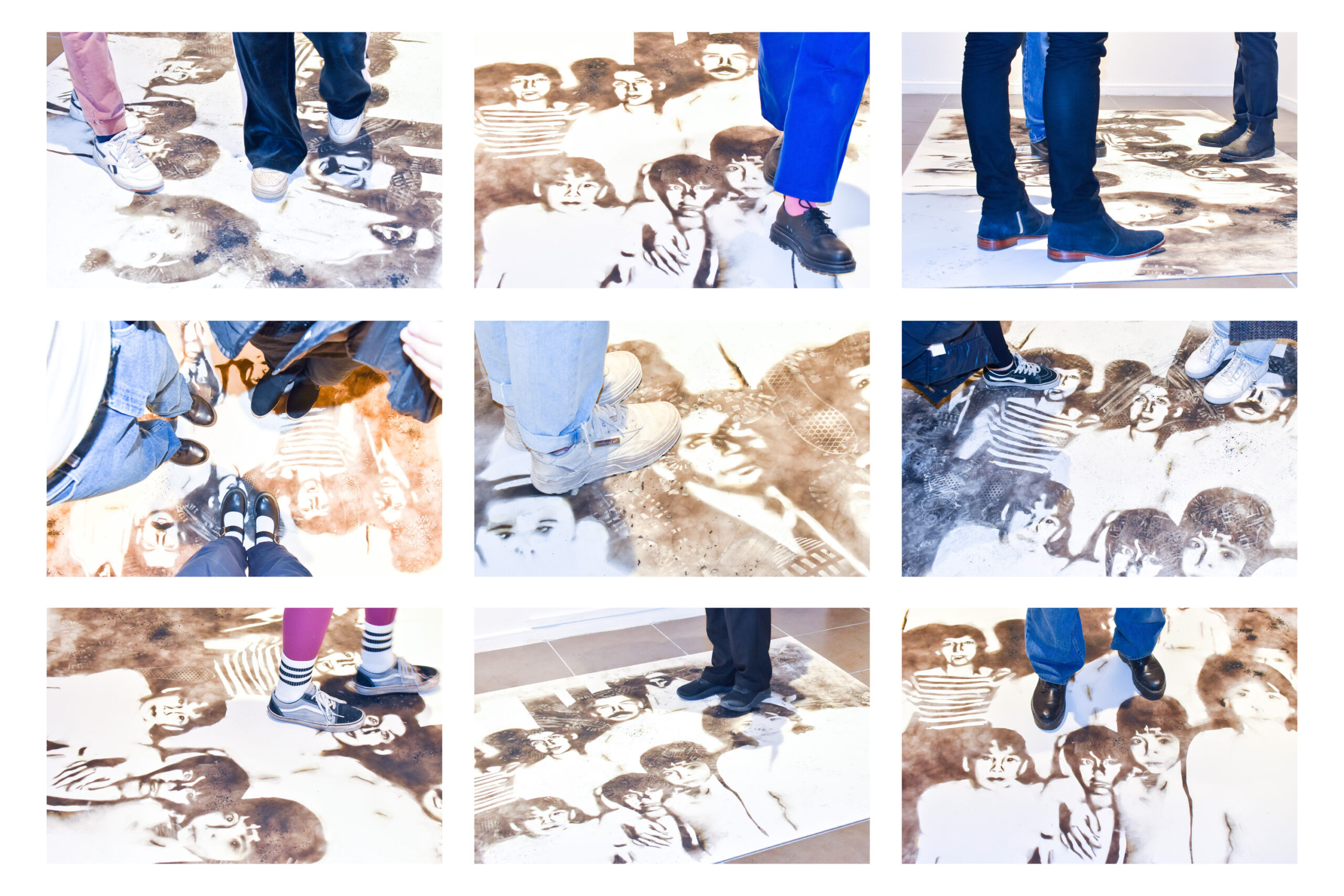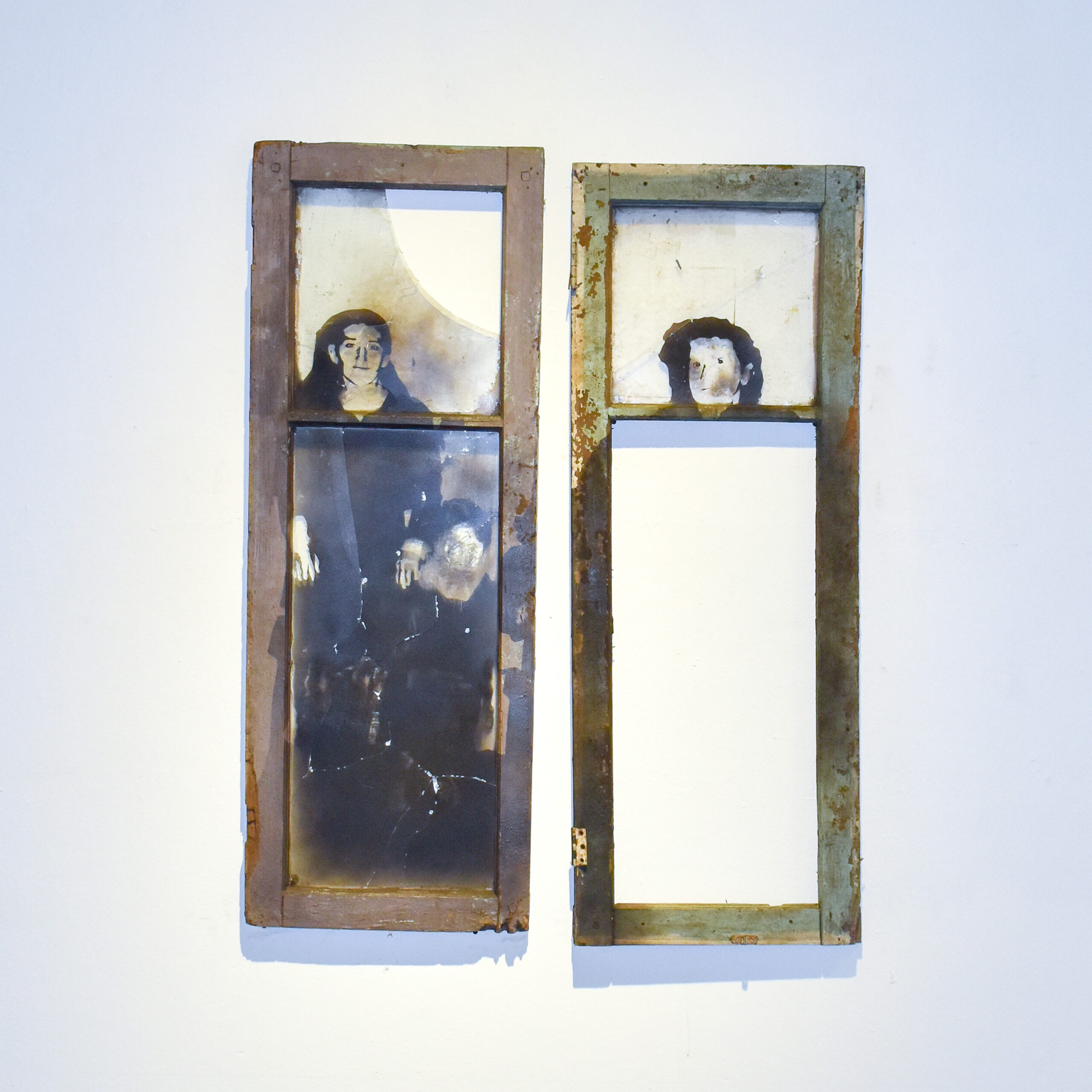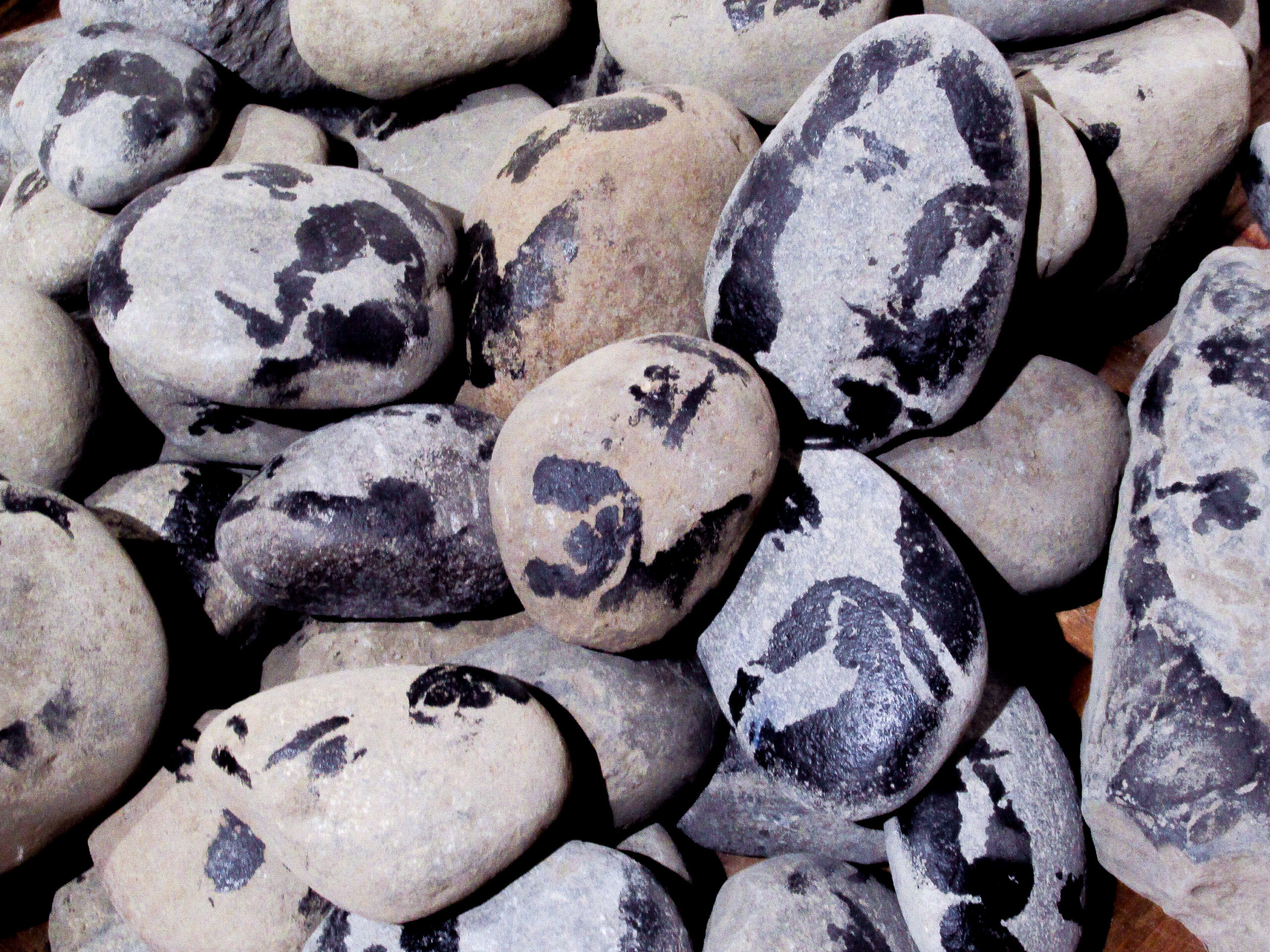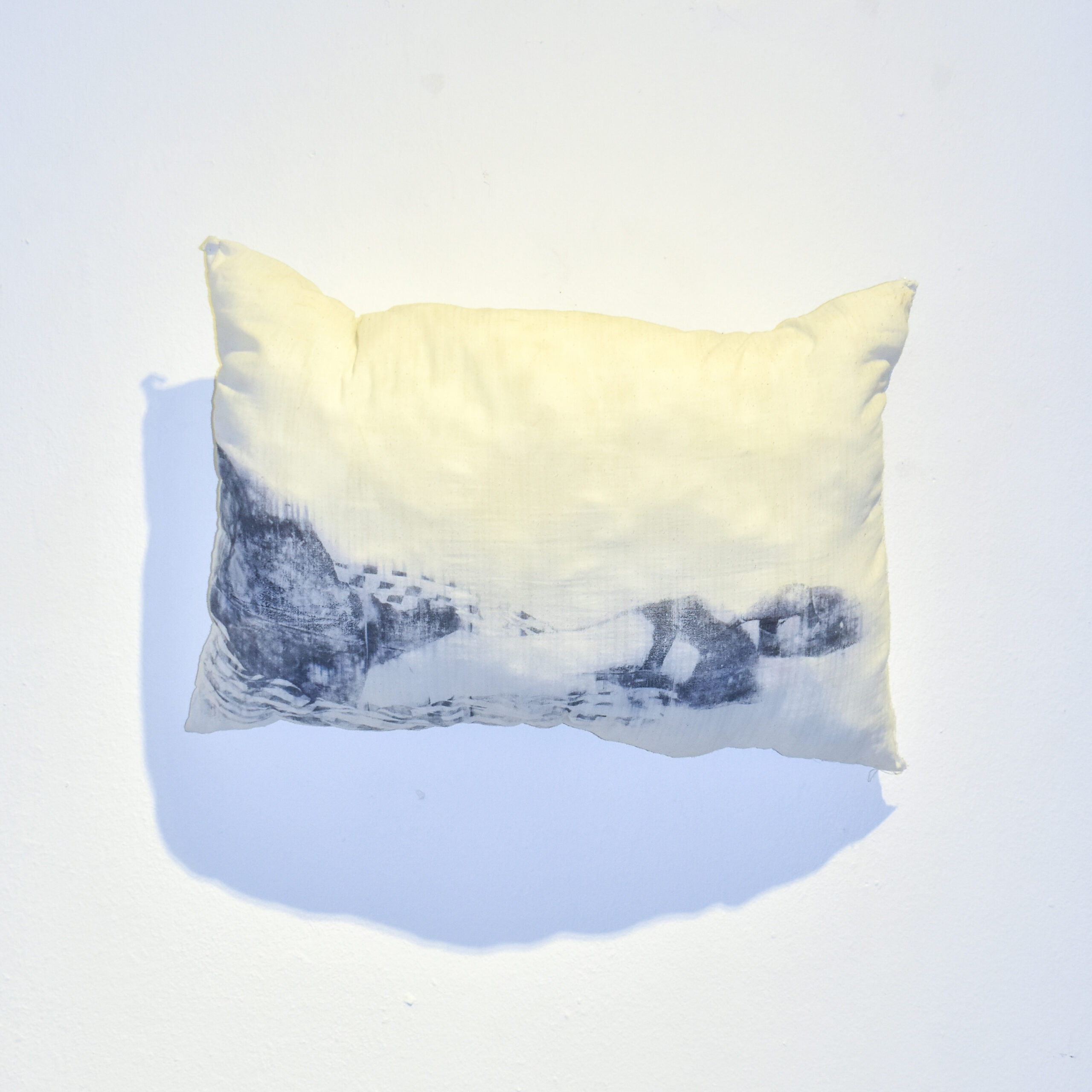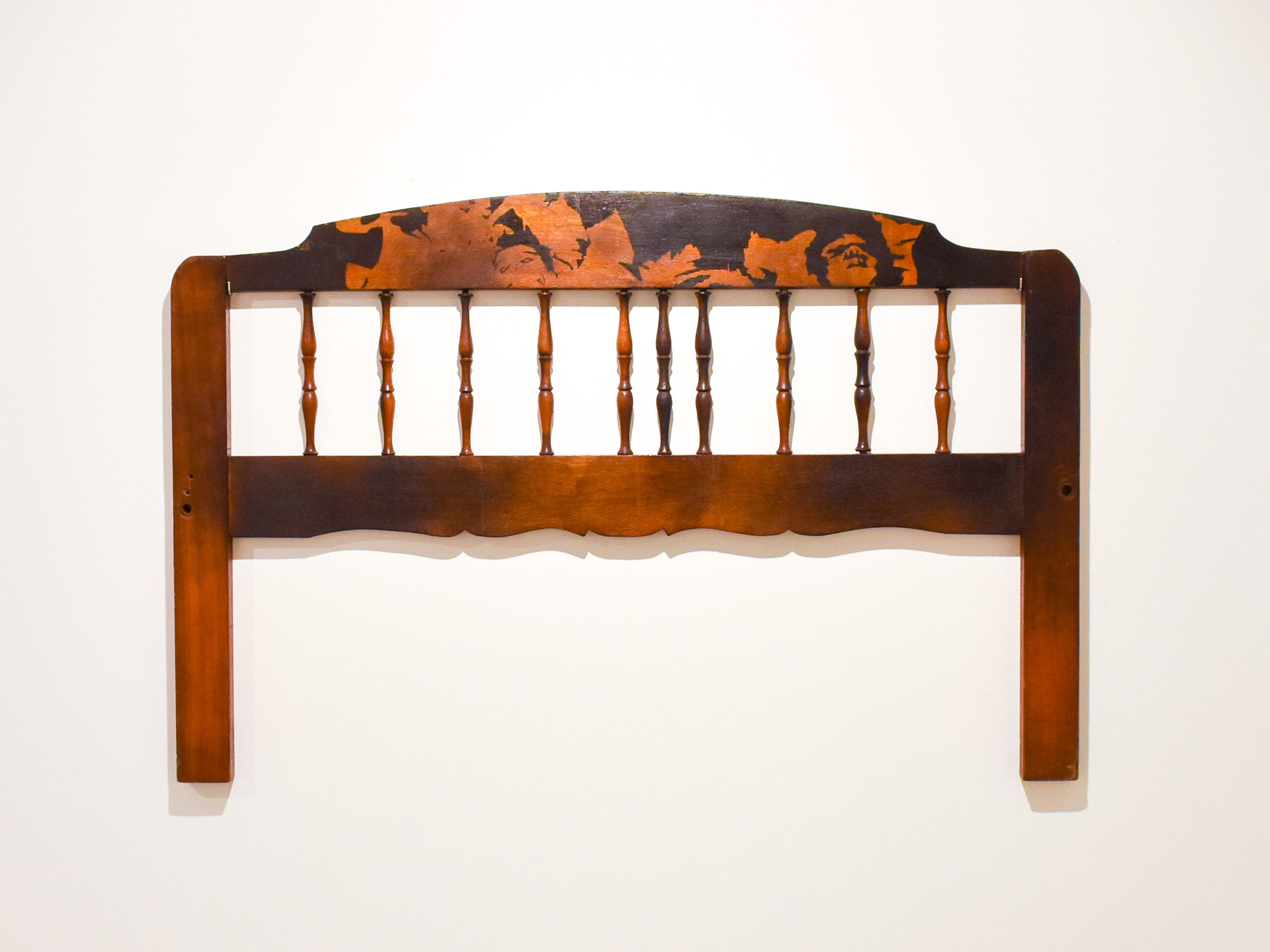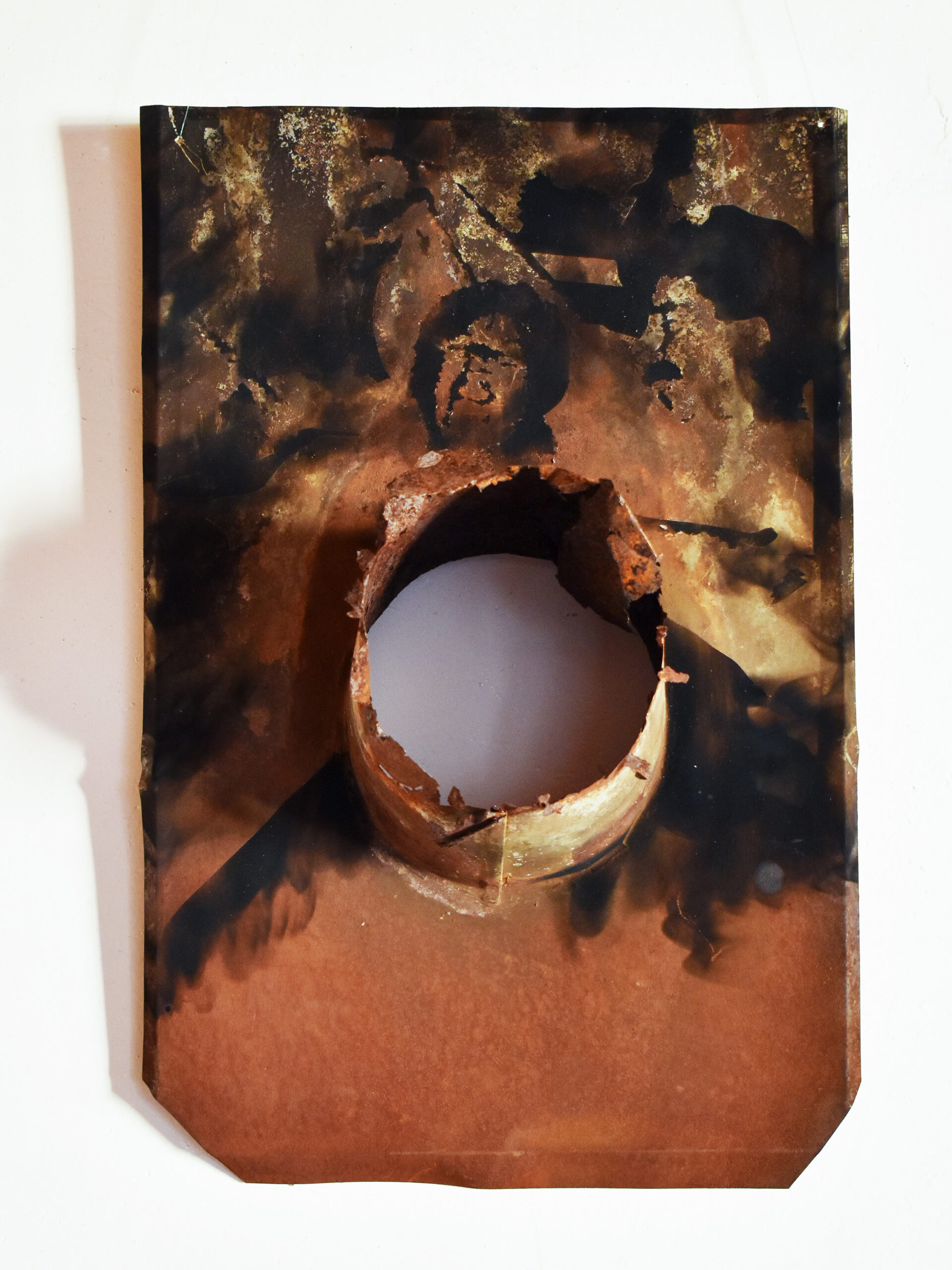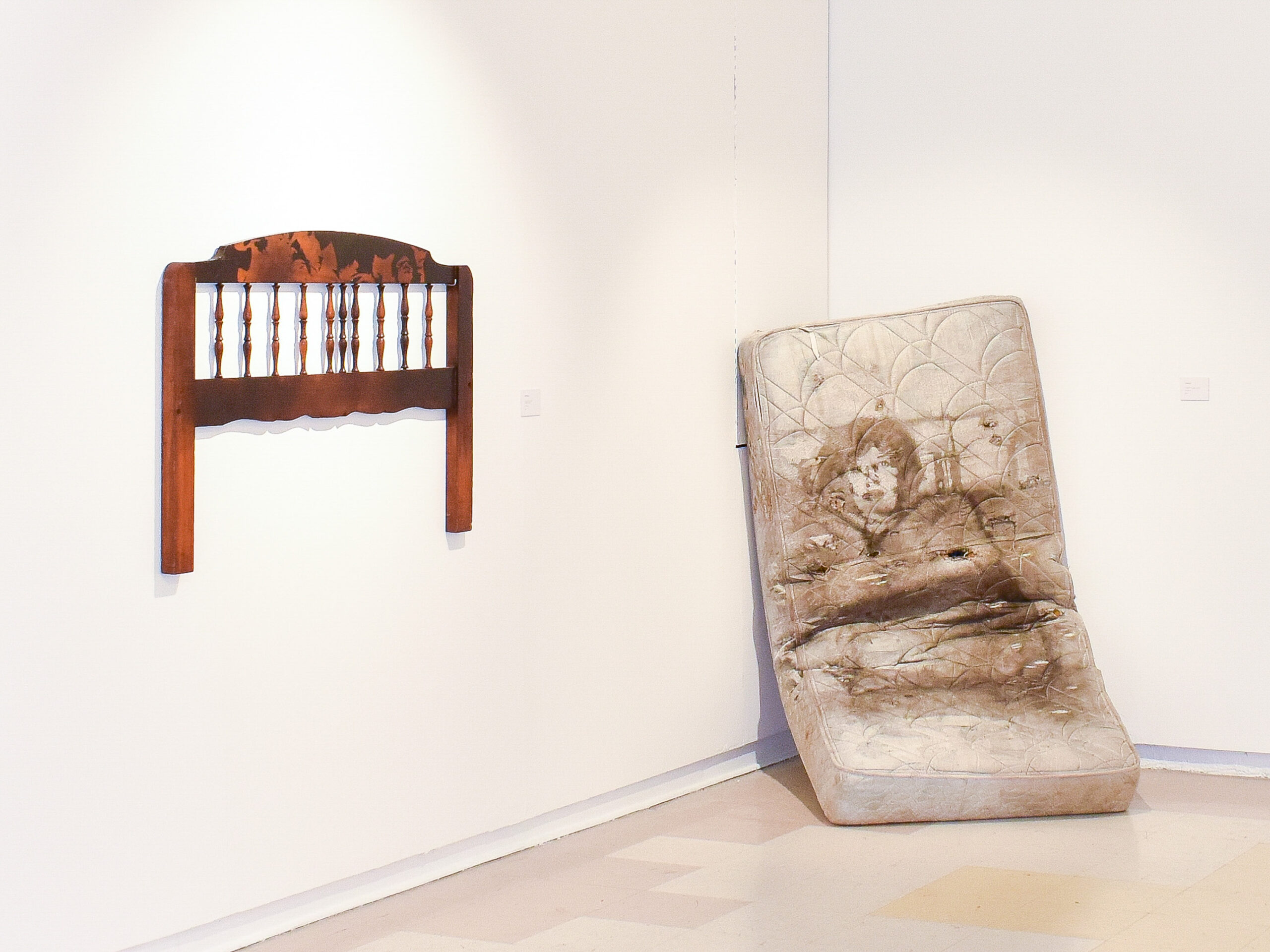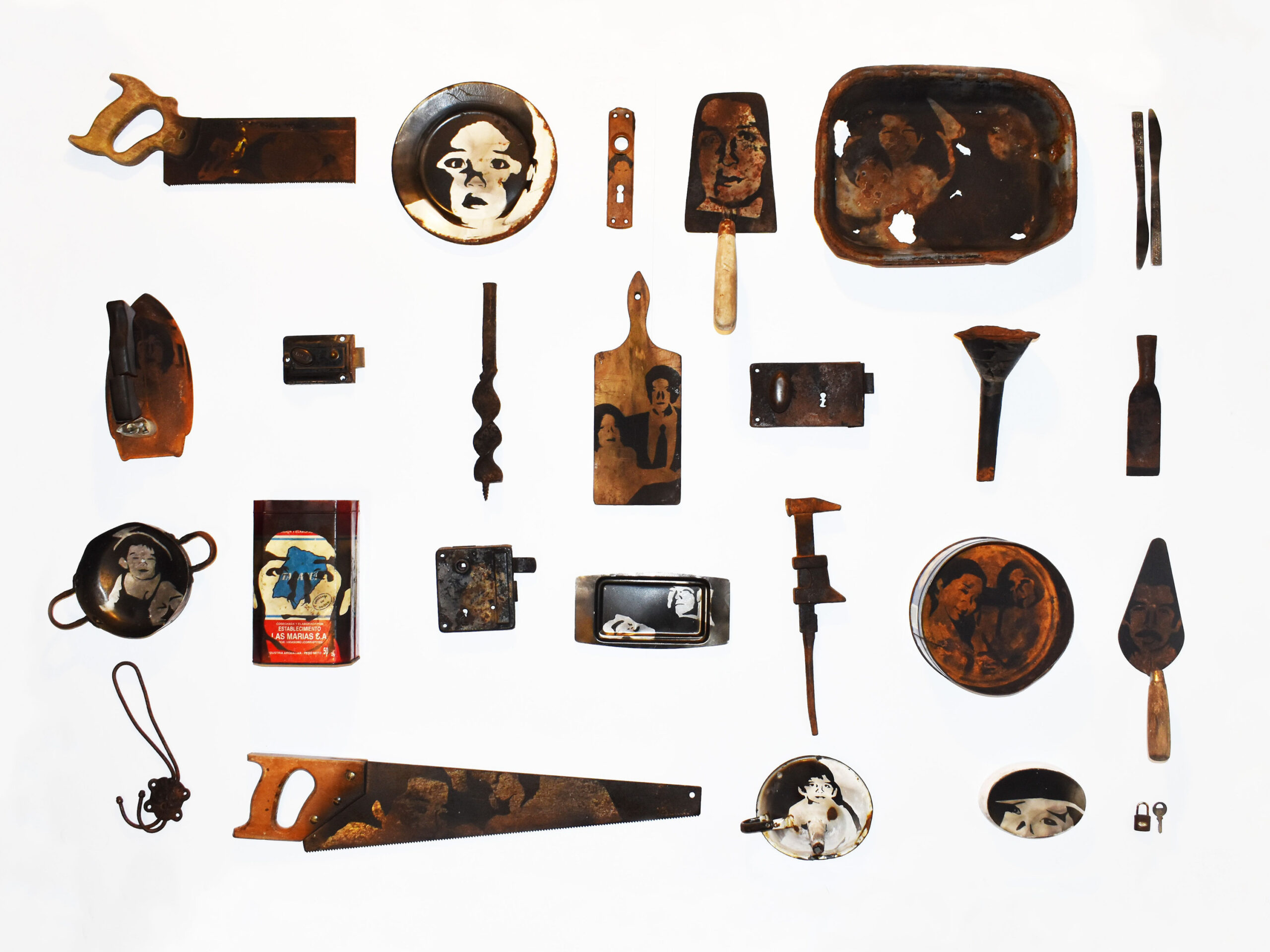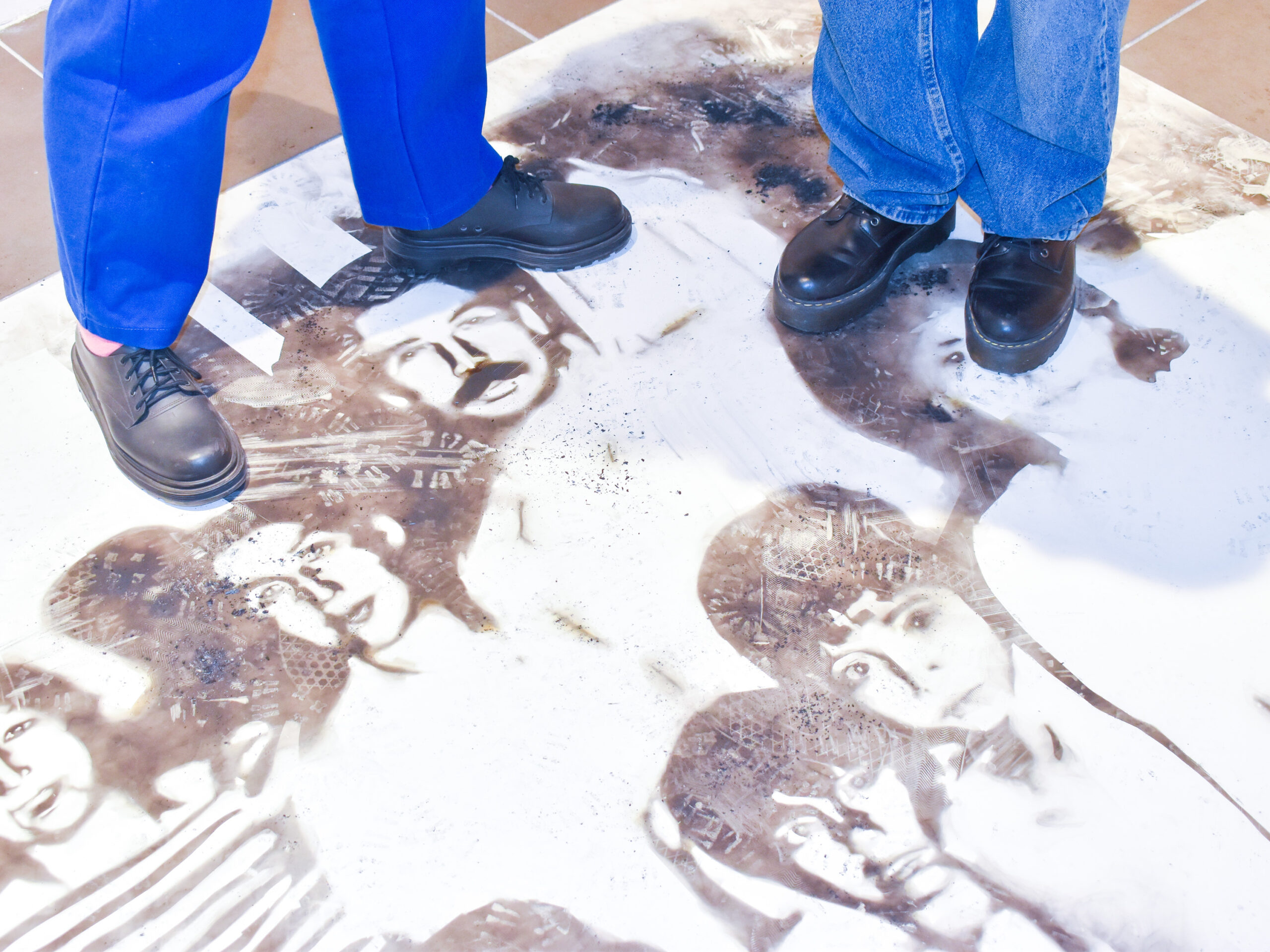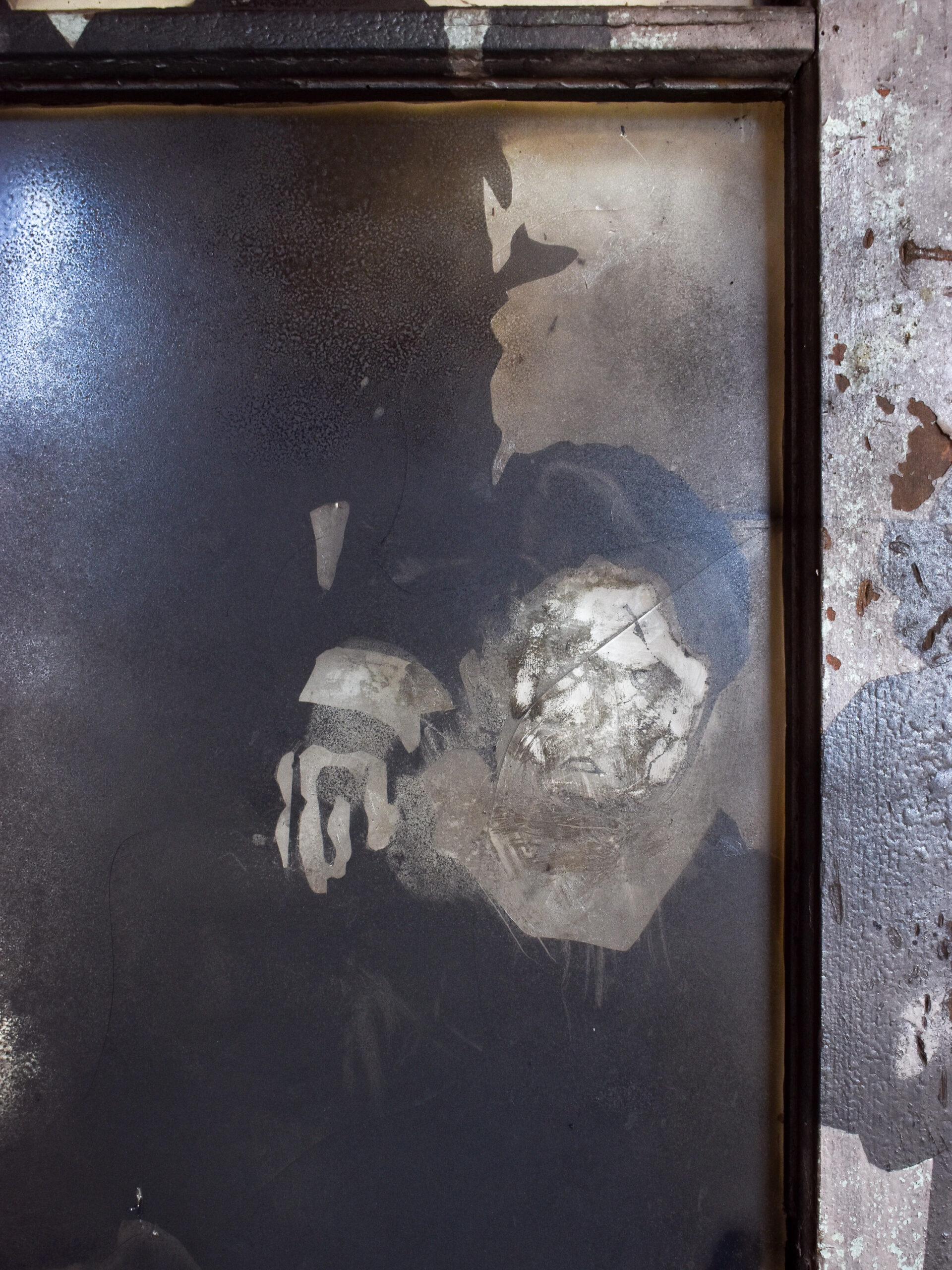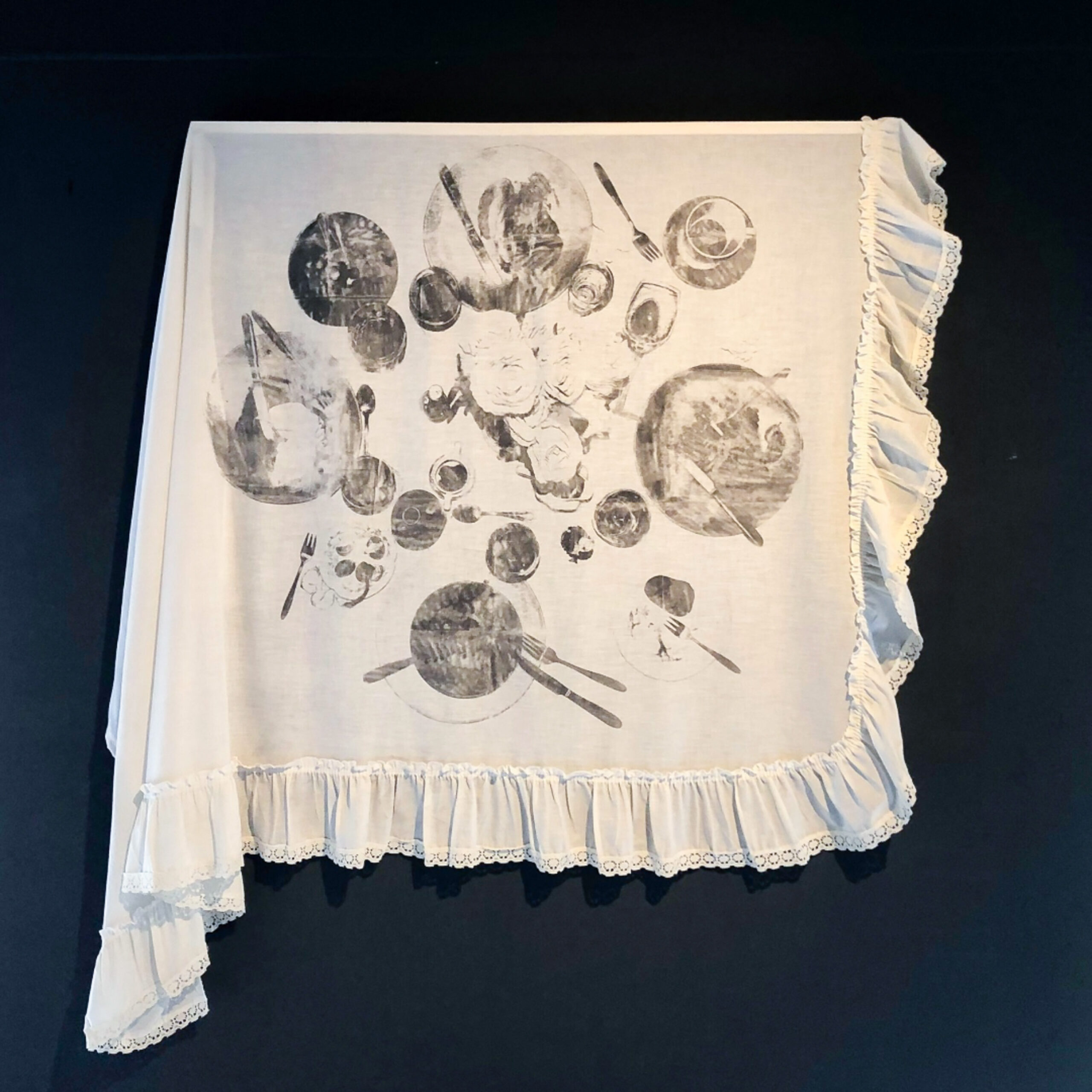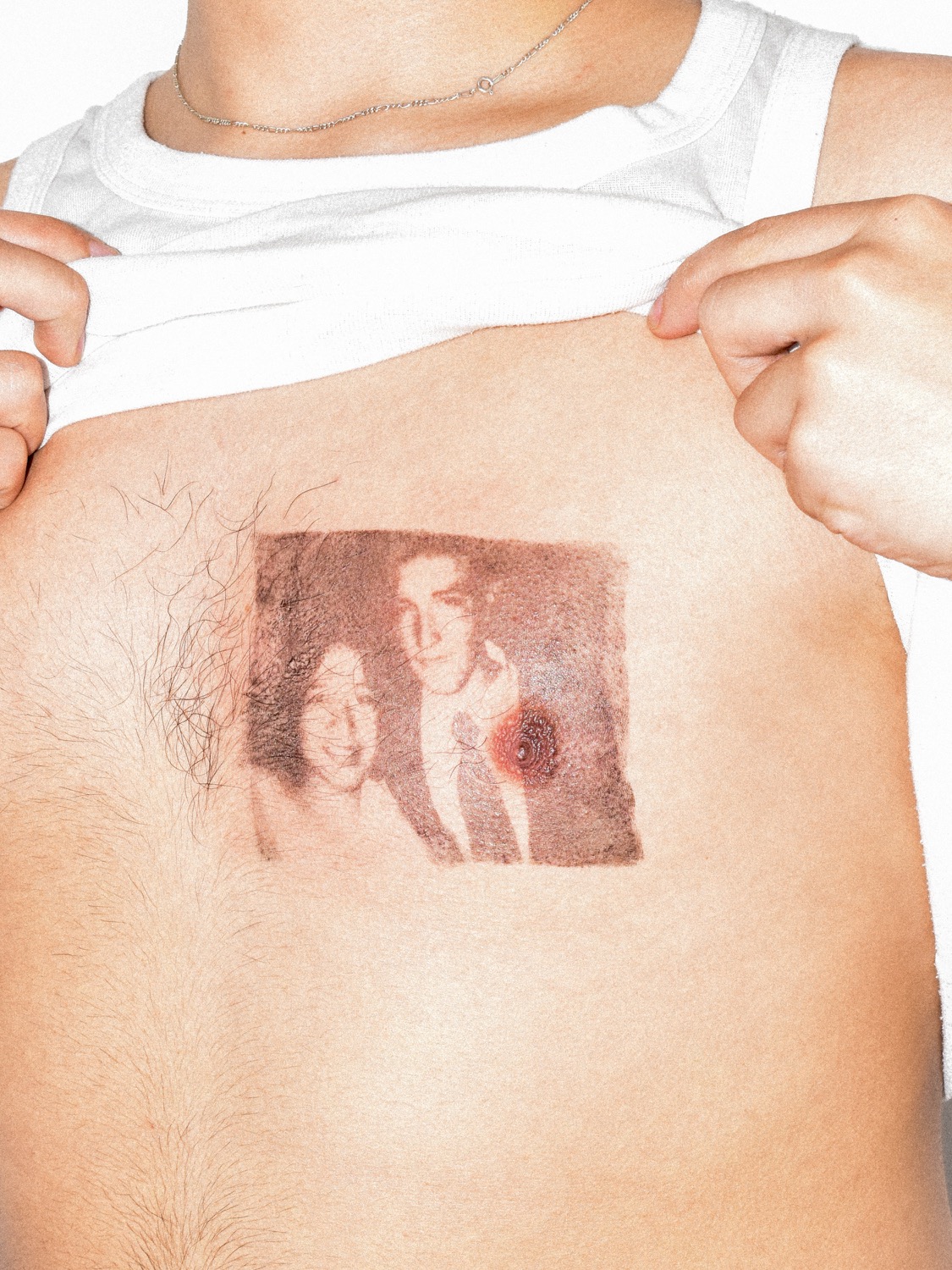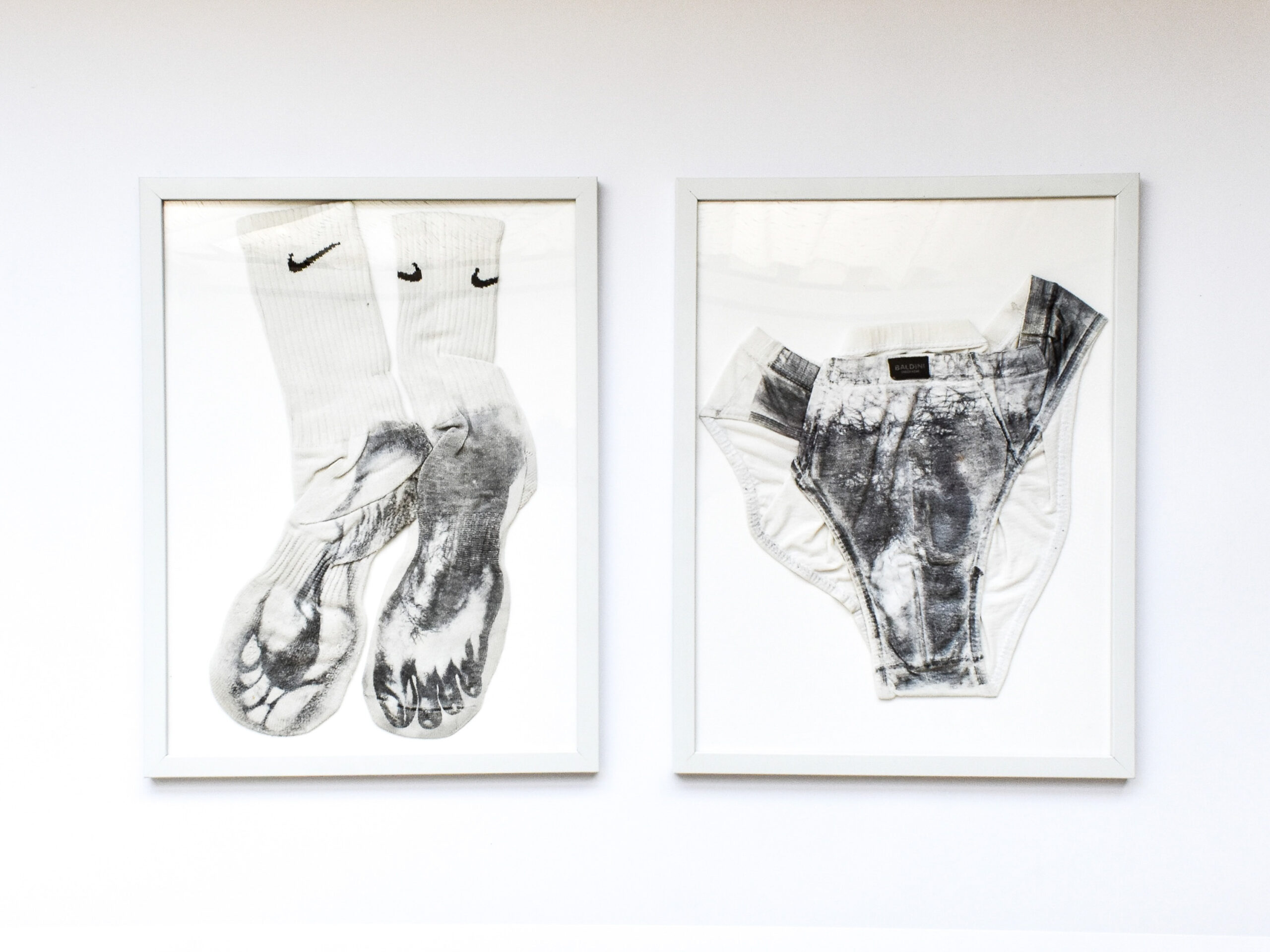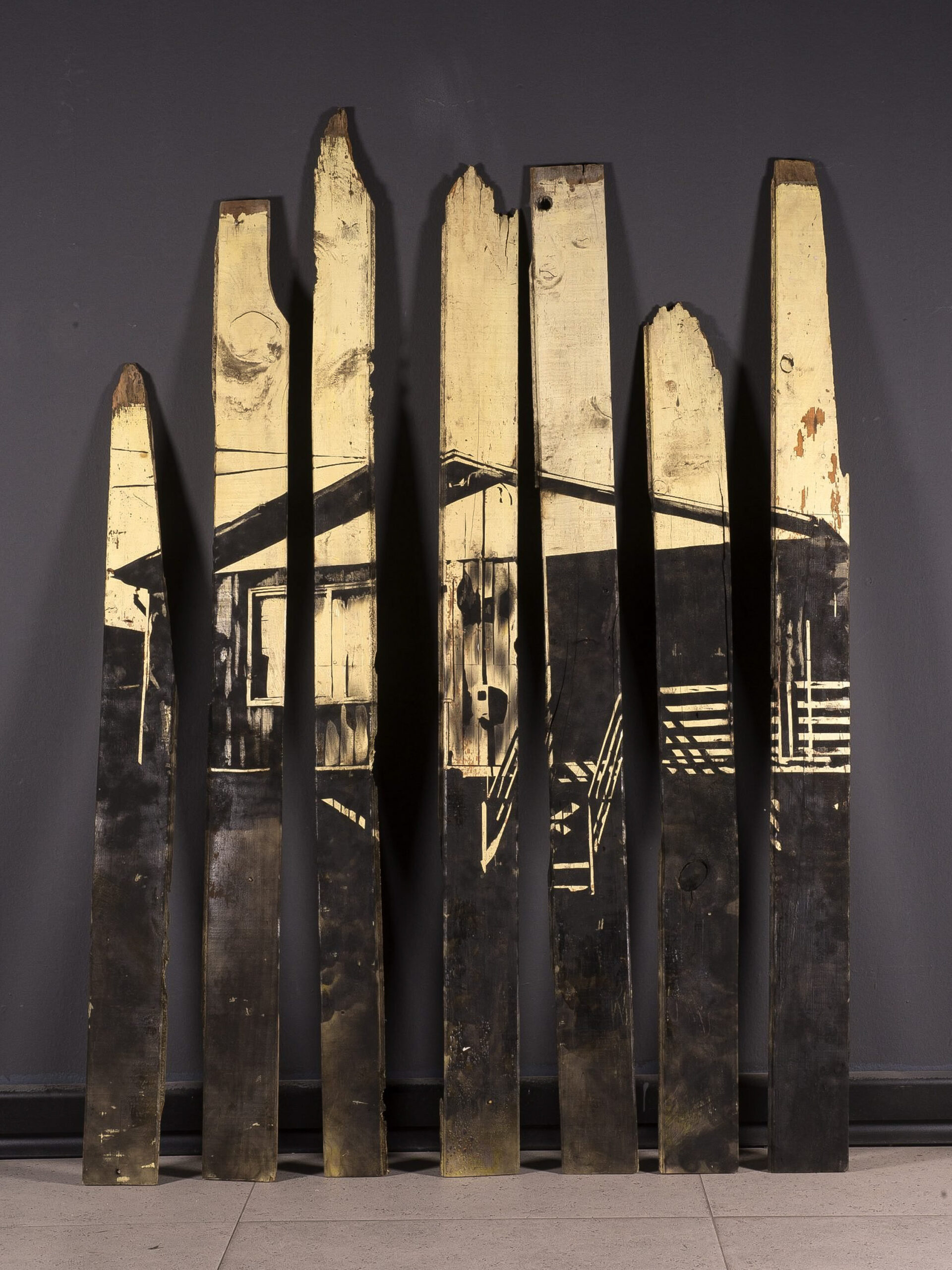
To understand memory as an open, flexible, non-hierarchical process—one that is constantly willing to rewrite its beginnings and endings; to be studied, remade, and strained by new hypotheses. Within this framework, through smoke, image, and object, a process of construction, reconstruction, and deconstruction of memory is set in motion, paralleling material decay. This open archive dissolves the possibility of a rigid memory, instead embracing one that emerges through wear, residue, and fragility.
This intersection between smoke and what has been discarded is tied to the territory where this project is situated: Traytrayko, Nueva Imperial, in Gulumapu. There, smoke is part of the everyday landscape, a result of wood-burning heating used to endure the cold and rain. In this context, smoke is not merely a byproduct but a living substance that inhabits, traverses, and transforms the territory. At the same time, these very climatic conditions—cold and humidity—are responsible for the deterioration of these object-remnants.
I was interested in developing, through printmaking, a technique as fragile as smoke itself, where the image could fade at the slightest touch. The images I engrave onto these object-remnants come from my personal and family archive. They depict my father, my mother, my grandmothers, friends, myself as a child, and the places that have shaped my daily life—both in Nueva Imperial and now in Santiago, Chile. I sought to place these images under tension by making them interact with even more unstable surfaces: boards in the process of rotting, a broken mattress, rusted parts of wood-burning stoves. In that contact, all elements intensified one another’s decay.
Thus, beyond the material possibility of preserving an image, what endures is the action: the gesture of attempting to fix it. Memory does not reside in the object, but in the persistence of that gesture, and the object becomes merely an evocation, a trace of that will. For this reason, the images are unique; there is no serial production nor polished finish. Some are barely discernible—and this is precisely because they do not seek to represent, but to embody. They are traces of a will to make presence, rather than images meant simply to be seen.
This project pursues the question of a material memory capable of enduring insofar as it is enacted, practicing presence as a persistent act of will mobilized by affection. By recognizing memory as an unstable process, it presents a series of experiments engraved with smoke upon discarded matter to construct an intimate archive—one that invites us to consider that the possibility of remembrance lies in the gestures we create to confront the constant threat of forgetting.