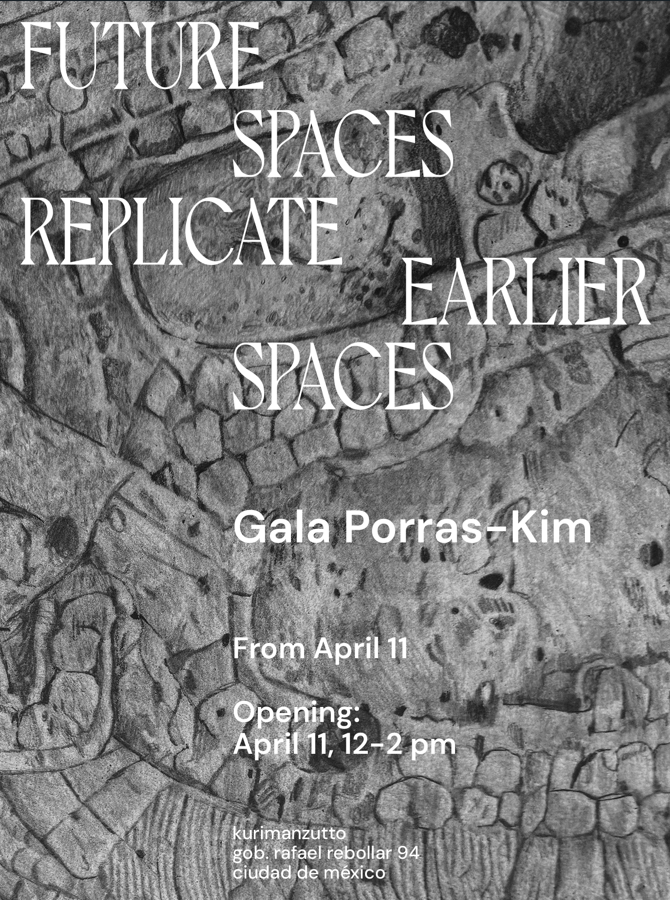
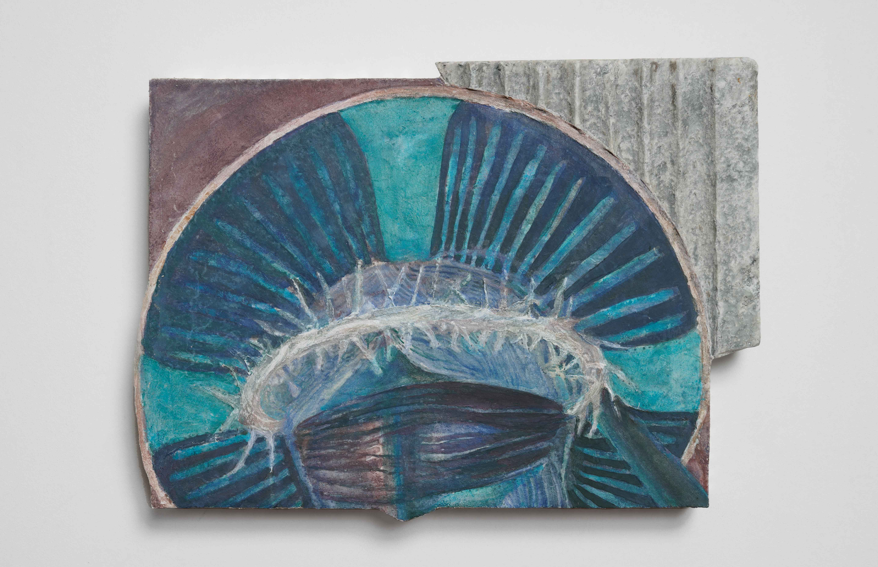
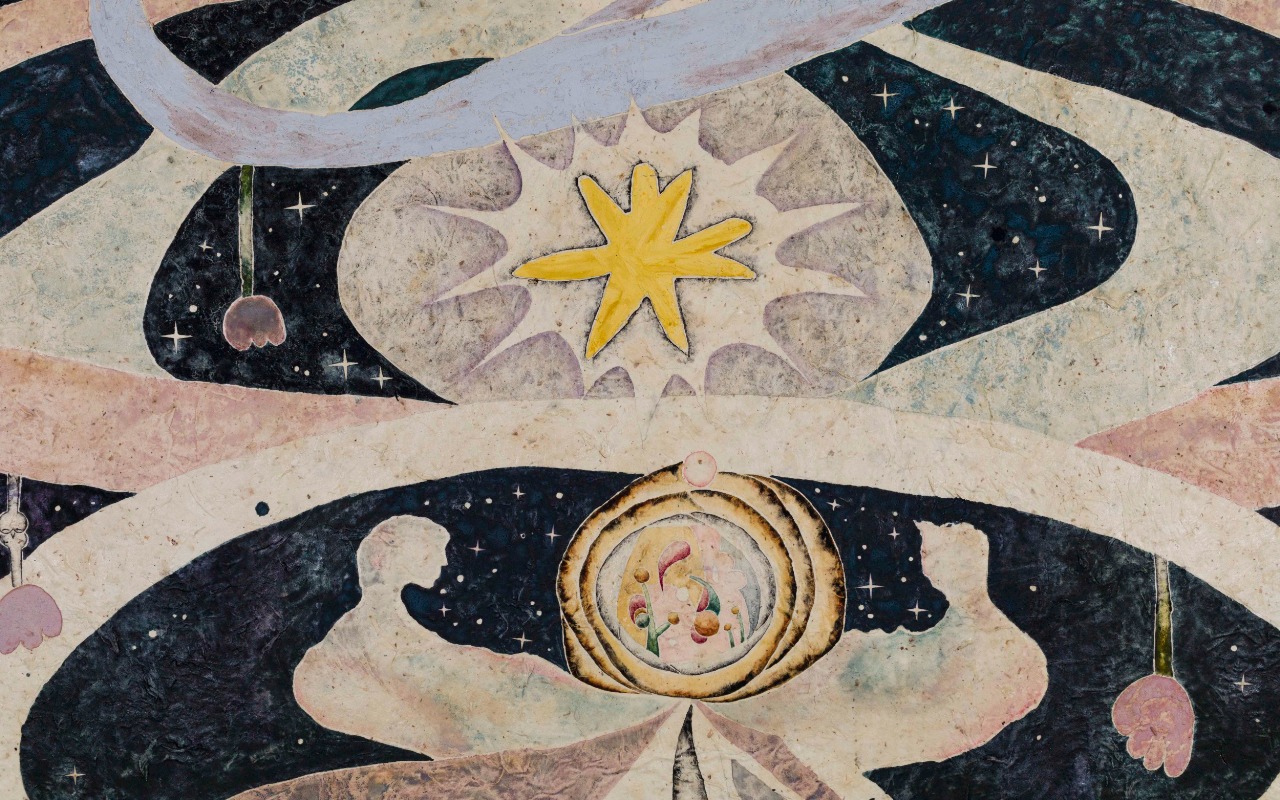
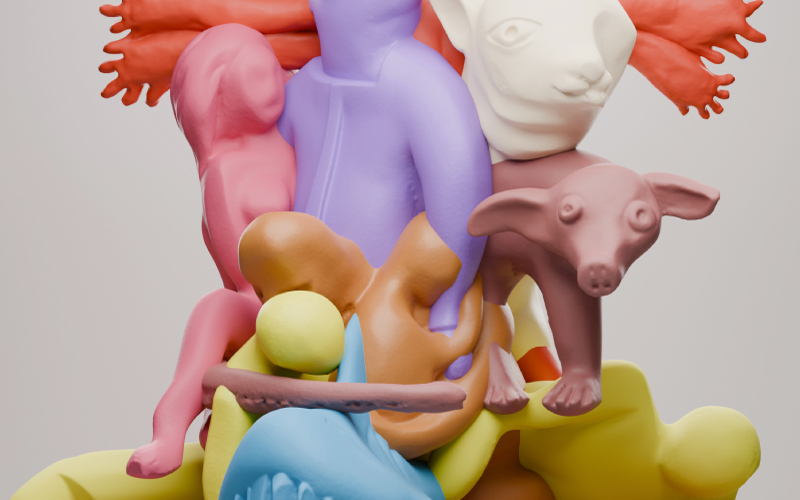
kurimanzutto presents Future spaces replicate earlier spaces, the first exhibition by Gala Porras-Kim (b. 1984, Bogotá) at the gallery in Mexico City. For this project, the artist brings together different bodies of work that examine the relationship between museums and conservation institutions, the objects they shelter, and the contexts from which they were removed. Through processes of reconstruction and resituating, the exhibition considers how institutional frameworks reclassify and redefine these objects, and how their original spatial, material, and temporal conditions might be reestablished.
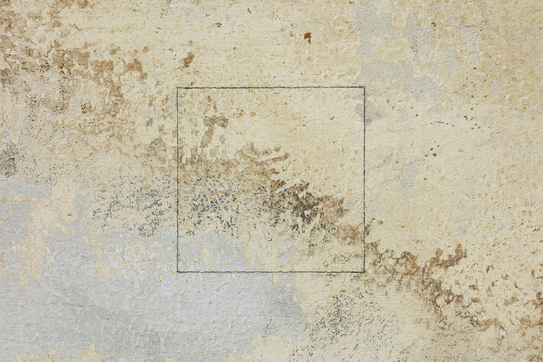
For the exhibition, Porras-Kim presents an art installation named The motion of an alluvial record (2024), originally developed for the Storefront for Art & Architecture, New York. The installation recreates within the gallery the atmospheric conditions of the marshlands of the Yucatán Peninsula, situating the works within an environment that mirrors the one from which their materials originate. This contrasts with the static, highly controlled climates implemented by museums for the conservation of cultural artifacts. Inside this greenhouse, viewers encounter conditions of high humidity and temperature characteristic of these wetlands. Within this environment, a work composed of clay, mud, and sediment collected from these wetlands contains particles both ancient and contemporary carried by water over time. Because these particles remain in motion, they do not settle into the linear geological stratification associated with compacted sediment and a progressive notion of time; instead, they produce a fluctuating record of time.
Through these recreations and acts of resituating, Porras-Kim traces how the movement of objects within institutions introduces a dissociative layer that recategorizes and redefines them. Although presented within institutional frameworks, these objects no longer exist in relation to their original contexts but instead to reconstructions that echo them. In this exhibition, the works bypass conventional systems of climate control, categorization, and display: by keeping materials wet, positioning works near the floor and reestablishing spatial relationships, the gallery becomes a site where earlier conditions are actively reconstructed.
April 11 – June 13, 2026
Mexico
Gob. Rafael Rebollar 94, San Miguel Chapultepec I Secc, Miguel Hidalgo, 11850 Mexico City, CDMX